Last updated November 23, 2026
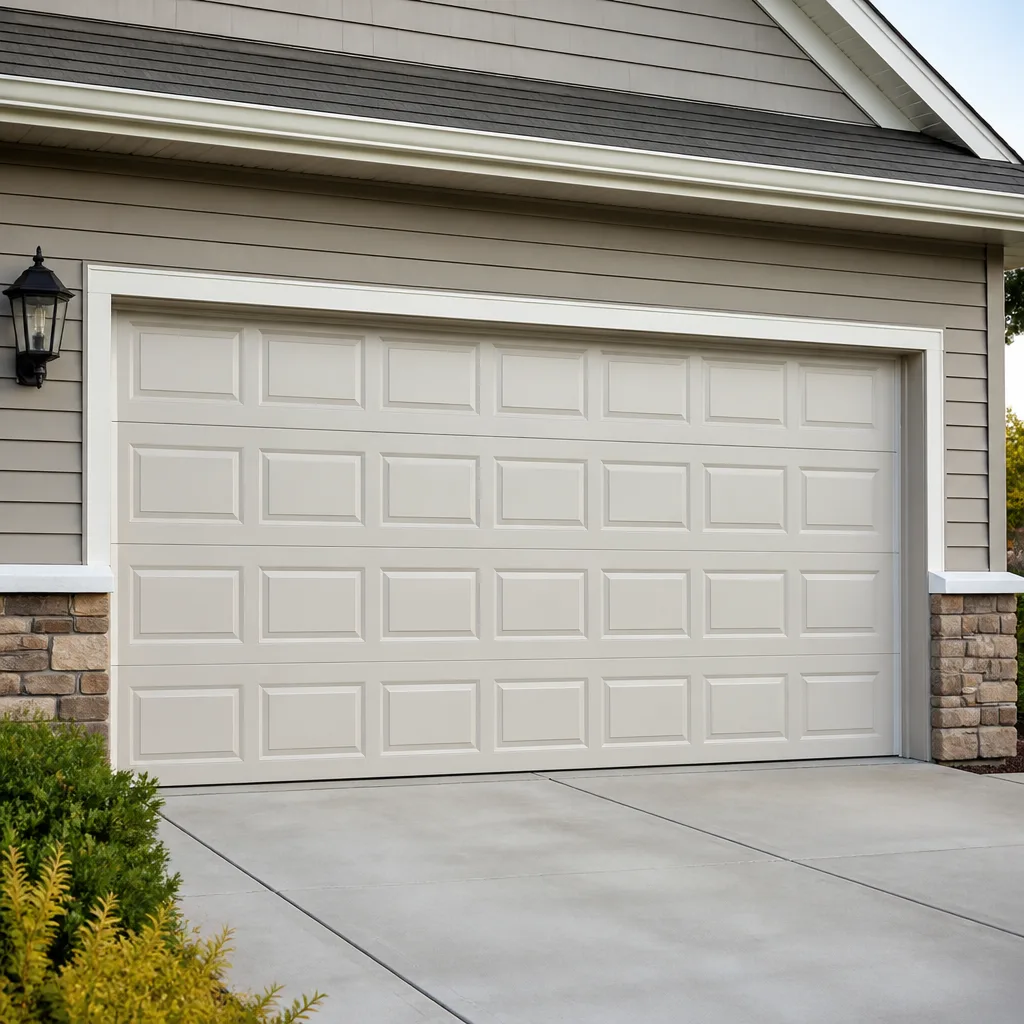 Raised-panel steel
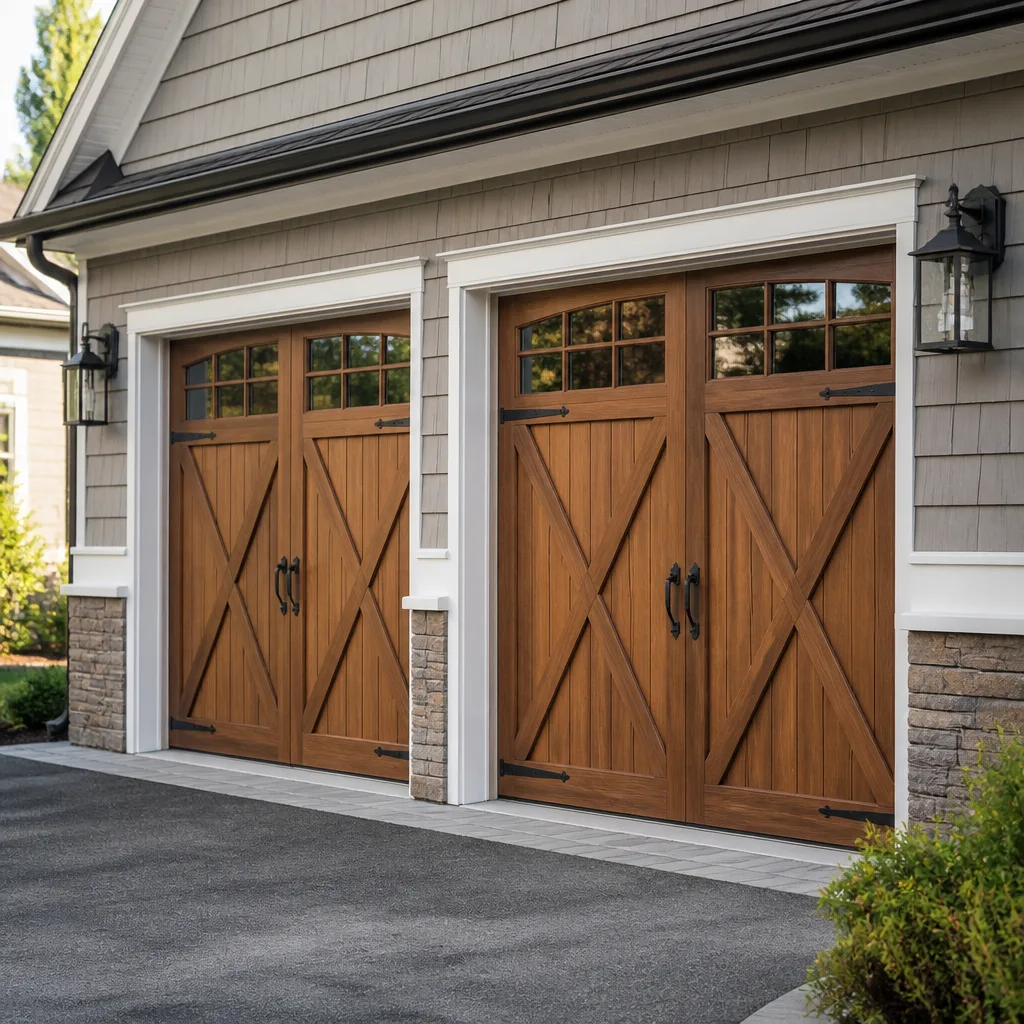 Carriage house
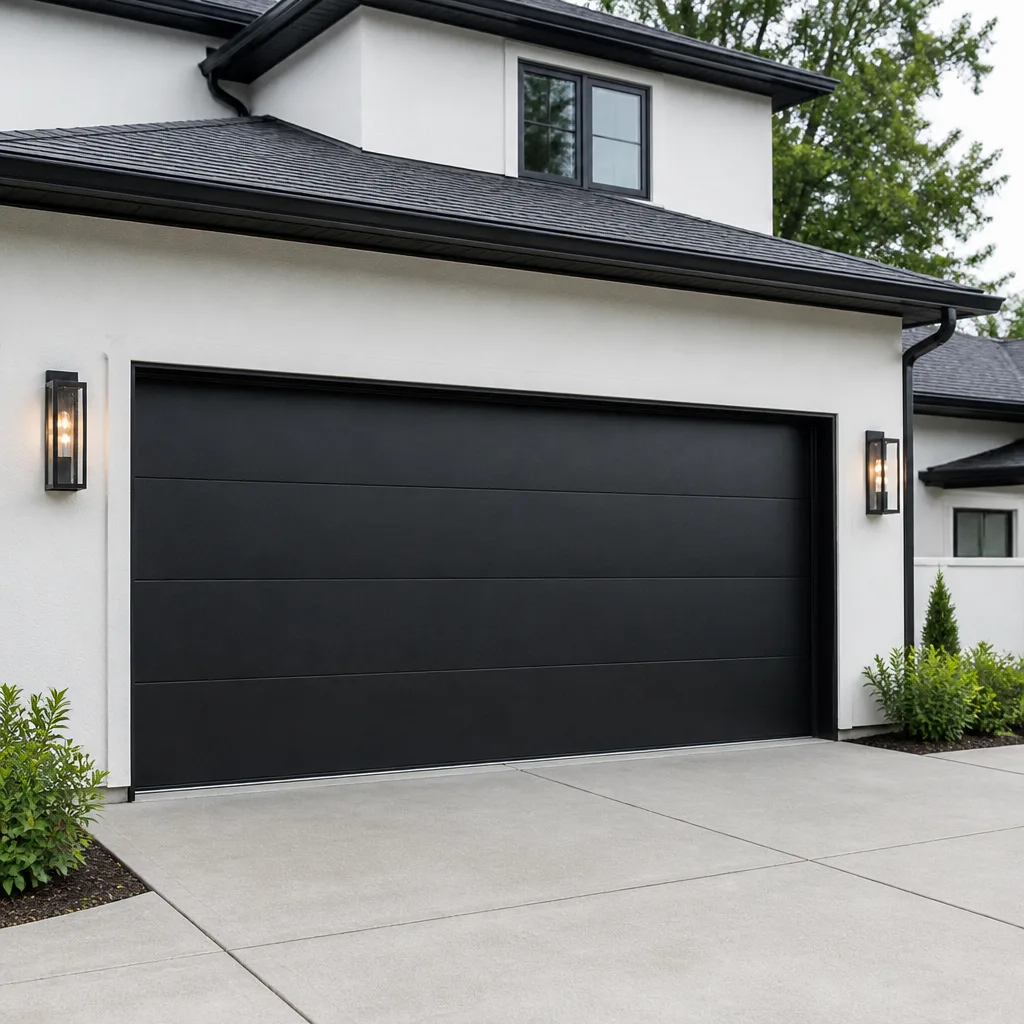 Modern flush
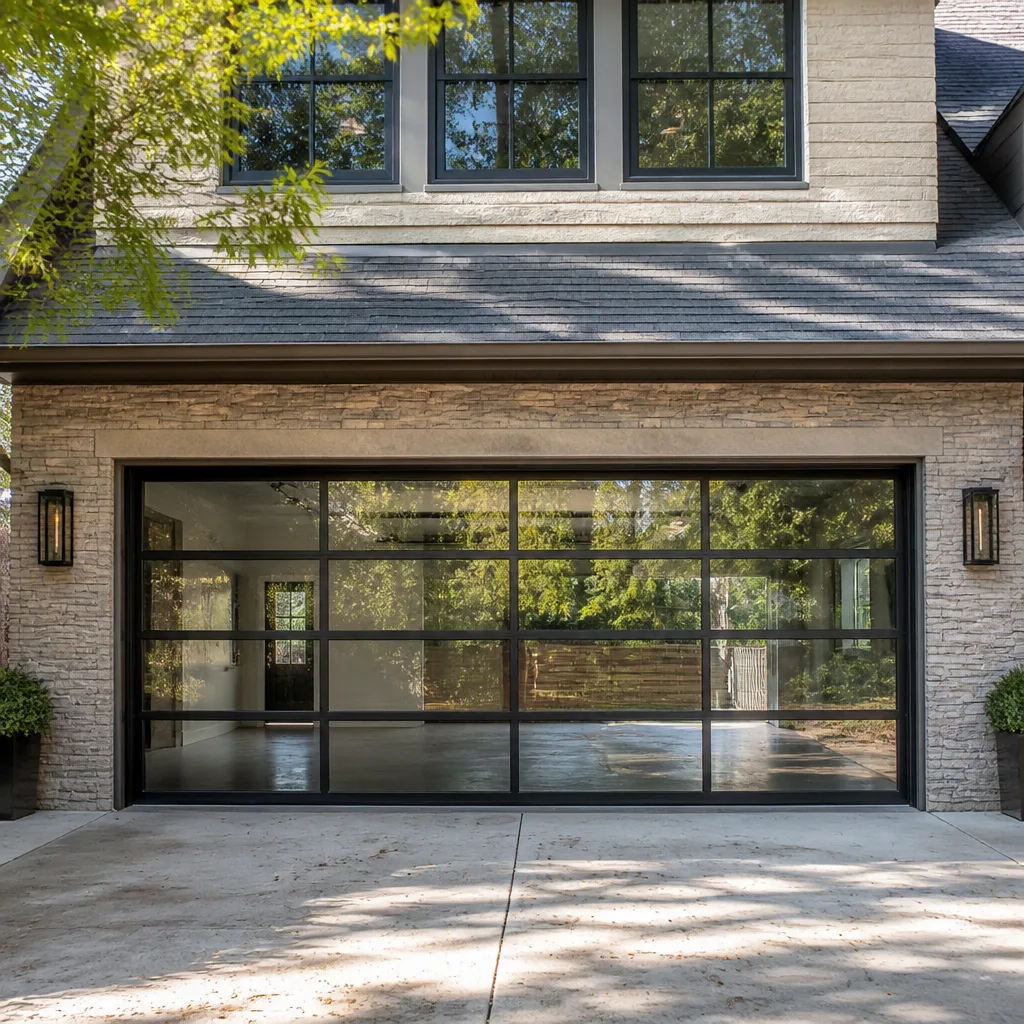 Full-view glass
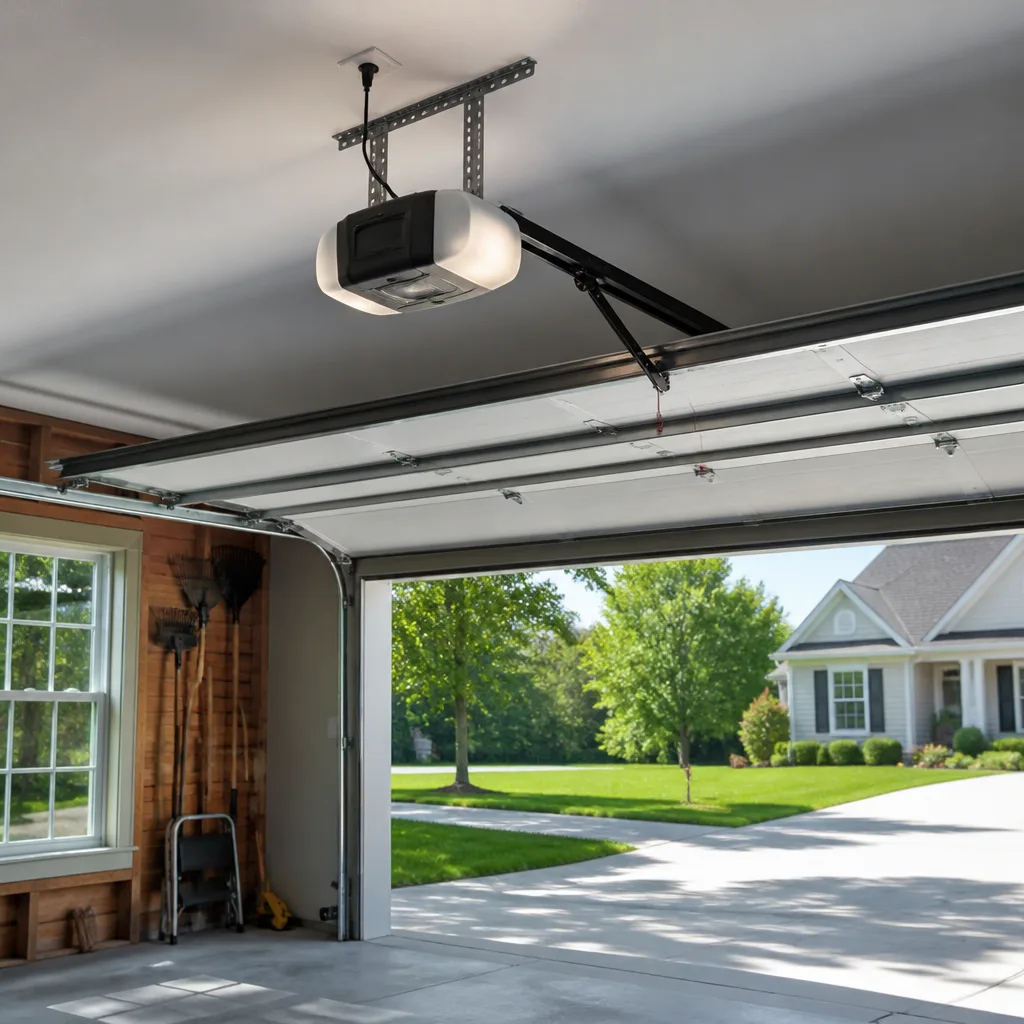 LiftMaster openers
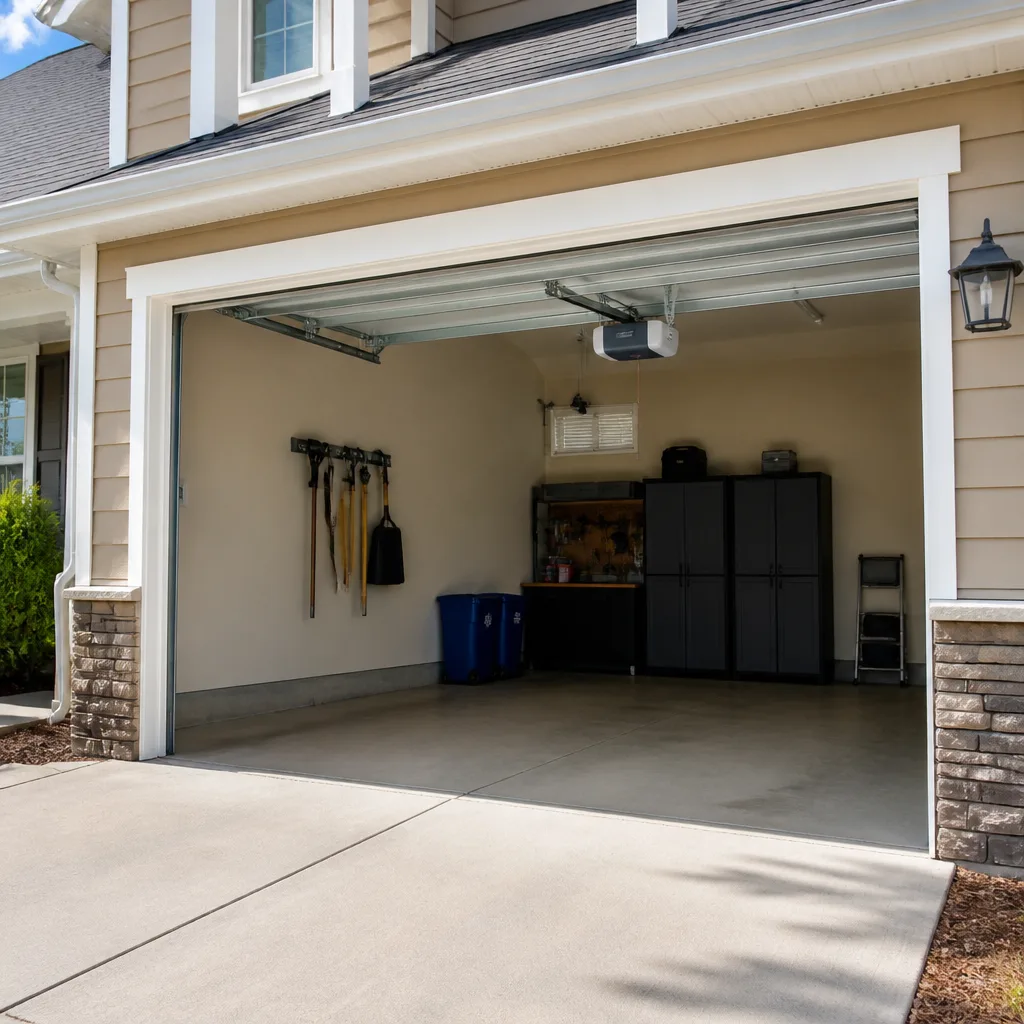 Chamberlain openers
Full 25-point door and opener safety check with every visit - springs, cables, rollers, tracks, and your LiftMaster or Chamberlain opener included
You get a price before we start. It does not change when the pro arrives.
Get your free estimateGarage Door Permits, Codes & Inspections in Parsippany, NJ: What You Need to Know
Here’s the part most Parsippany homeowners miss: a garage door isn’t just a door in the eyes of the New Jersey Uniform Construction Code. Swapping a broken panel or a tired opener is routine maintenance. Replacing the whole door assembly, though, can cross a line into permitted construction work – and the paperwork doesn’t care whether you thought of it as “just a door.” We’ve watched plenty of projects where the work itself was fine and the process wasn’t. That gap is what causes problems at resale, at inspection, and sometimes in an insurance file. This guide walks through where the permit threshold actually sits, how the Parsippany-Troy Hills Township building department handles these projects, what a fire-rated door between your garage and living space really means, and who’s on the hook for filing. If you’re planning work in Parsippany, read this before you sign anything.
Quick Answer
In Parsippany, NJ, most garage door repairs – a new spring, a replaced opener, a panel swap, new rollers and tracks – are ordinary maintenance and do not require a permit. A full garage door replacement or a new door installed in a new opening is treated as construction work under the New Jersey Uniform Construction Code and typically does require a permit, followed by an inspection. The exact scope definition lives with your local building department, so confirm your specific project with Parsippany-Troy Hills Township before work starts.
Styles & brands we work with
- Raised-panel steel
- Carriage house
- Modern flush
- Full-view glass
- LiftMaster openers
- Chamberlain openers
Table of Contents
- Repair vs. Replacement: Where the Permit Threshold Sits
- How the NJ Uniform Construction Code Defines the Work
- The Parsippany-Troy Hills Building Department Process
- What an Inspection Actually Involves
- Fire-Rated Doors Between the Garage and Living Space
- How Unpermitted Work Affects Insurance and Resale
- Who Files the Permit: Contractor vs. Homeowner
- Parsippany Winters, Freeze-Thaw Cycles, and Code-Relevant Wear
Repair vs. Replacement: Where the Permit Threshold Sits
The single most useful thing to understand about garage door permits in Parsippany is that the code doesn’t see “garage door work” as one thing. It sees maintenance, and it sees construction. Those two categories get different treatment. Repairs keep the existing door and its installed system in place and bring it back to working order. Replacement swaps the assembly, and that’s where electrical, structural fastening, and safety hardware all move at once – the kind of work a building department wants to look at.
Here’s how the split usually falls in practice:
- Routine maintenance (no permit): spring repair or replacement, opener repair or replacement with existing wiring, roller and hinge replacement, track adjustment, new weather seals, panel replacement when the door’s structure stays put.
- Usually permitted: a full door replacement on the existing opening, a new door in a new opening, adding or replacing an opener where new electrical circuits are run, any work that changes the door’s structure, rails, or how it’s anchored to the framing.
Notice what’s not on that list: brand. Whether your door is a Craftsman or a Raynor, the permit question is about scope, not manufacturer. If you’re only scheduling repairs, you can read more about typical garage door repair work and skip ahead. If you’re replacing the door, the sections below are for you.
How the NJ Uniform Construction Code Defines the Work
New Jersey’s Uniform Construction Code governs how residential construction work is classified, permitted, and inspected. It doesn’t name “garage door” in a headline regulation the way it names a deck or a pool, which is exactly why the scope-of-work question matters. What the code cares about is whether the project changes a building’s structural component, its means of egress, its fire separations, or its electrical system.
A garage door replacement touches three of the four. The door is anchored to the framing. The door opening is a fire separation point between garage and house in an attached garage. If the opener’s circuit is redone, the electrical system is affected. Fire and electrical changes are the kinds of things a building department has statutory authority to inspect, and that authority is what triggers the permit.
A few practical rules of thumb we pass along to homeowners in Parsippany:
- Same door, same opening, back to working order: maintenance. No permit.
- New door, same opening, like for like: often permitted when the framing, tracks, or spring system change; confirm with the building department.
- Any new opening or structural change: permitted without question.
- Anywhere a fire separation is altered: permitted, and scrutinized more carefully.
The code language is technical and it changes over time. Ask the township directly rather than relying on a general rule from a contractor or a neighbor – the answer for your exact door, in your exact house, is what counts.
The Parsippany-Troy Hills Building Department Process
Parsippany-Troy Hills Township administers its own building permits through its construction office. Every township and city in Morris County runs its own version, so the experience of a homeowner in another town won’t tell you much about Parsippany. The process here is straightforward but it moves at the township’s pace, not yours.
A typical sequence looks like this:
- Call the building department first. Describe the scope – door replacement, opener replacement, structural change. Ask whether a permit applies. Some projects don’t need one; the township tells you rather than a contractor guessing.
- If a permit applies, an application is filed. The forms ask for the scope, the value of the work, and the contractor’s information.
- The township reviews and issues. Timeline depends on how busy the office is and how clearly the scope is described. A plain-vanilla door replacement moves faster than a project with structural framing changes.
- Work is performed. The door goes in, the opener is wired, the safety hardware is set, and the installation is completed against the permitted scope.
- The inspection is scheduled. Someone from the township comes out to verify the installation matches what was approved and that safety hardware is in place.
- The permit is closed. The inspection record becomes part of the property’s file, which is what a buyer’s inspector and your insurer are looking for later.
One local note: Parsippany’s housing stock spans from older post-war neighborhoods to newer subdivisions, and older garage openings sometimes reveal framing or header conditions that weren’t visible on the paperwork. If the install opens a scope question, the building inspector may ask for corrections before signing off. Factor a little slack into your timeline rather than assuming one visit and done.
What an Inspection Actually Involves
The inspector isn’t there to grade the aesthetics. They’re confirming the installation matches the permitted scope and that the door won’t become a hazard. In practical terms, an inspection on a garage door project tends to look at:
- Door anchoring and hardware. The door is attached to the framing per the manufacturer’s installation instructions and to whatever the permit specified.
- Spring and cable hardware. The tension system is installed correctly, cables routed properly, and any safety containment in place.
- Opener and reverse mechanism. If an opener is part of the permitted scope, its safety reverse function is tested.
- Fire separation. If the garage is attached, the door and any wall separation between garage and house are checked against the code requirement.
- Closing documentation. The inspector signs off so the permit closes, which is the whole point of the process.
A missing inspection is often worse from a paperwork standpoint than a missing permit – because the permit can be re-opened and closed, while an inspection that never happened leaves a gap. Either way, you want that file clean before a house sale enters the picture. If you’re ever unsure which parts of a project fall under the permit and which don’t, ask before booking – a quick look at the system with an expert eye is the fastest way to scope it. Learn more about garage door opener repair if the opener is what’s actually failing.
Fire-Rated Doors Between the Garage and Living Space
Here’s the element most homeowners don’t know exists: if your garage is attached to the house, the wall and the door between the garage and the living space are part of a fire separation. The purpose is basic. A fire that starts in a garage should be slowed from reaching the people sleeping twenty feet away. That separation includes the door wherever the garage opens directly into the house.
The fire-separation requirement is about the door between the garage and the interior – not the overhead vehicle door – but the two get conflated often enough that it’s worth sorting out. The overhead door is the door to the driveway. The fire-rated door is the one you walk through from the laundry room or mudroom. They’re different components with different code roles.
Where this gets tangled for Parsippany homeowners is during a renovation. Somebody replaces the interior door between garage and house with something from a home improvement store because they wanted a better looking door. It might be fine. It might not meet the fire rating the code requires for that opening. When the house goes to market, a buyer’s inspector can flag it, and the fix is often more involved than the original door selection.
If a garage door replacement changes anything about the wall that separates the garage from the house – because the opening was enlarged, or framing was modified – that fire separation is a code consideration the building department will look at closely. Confirm the requirements for the door itself with the township. In general, this is one of the reasons a licensed installer beats a labor-and-materials arrangement with a friend.
How Unpermitted Work Affects Insurance and Resale
Unpermitted work is a paperwork problem until the moment it becomes a claims problem. Homeowner’s insurance policies ask about the condition and code compliance of the dwelling, and carriers respond differently when a claim arises from work that never appeared in a permit file. Some pay and then adjust. Some investigate. The variables matter to you because they’re outside your control, and once a claim is filed, the time to have the permit in place has passed.
The resale side is more predictable. When a buyer’s inspector sees a garage door replacement with no permit on record, the sale doesn’t automatically fall apart. It gets complicated. The buyer’s attorney asks for documentation. The township may need to be contacted to retroactively pull and close a permit. An inspection still has to happen. Closing timelines stretch while paperwork catches up. This is exactly the pattern that flags these projects months after the homeowner thought they were done with it.
The most useful steps to keep the file clean:
- Keep the permit number and inspection sign-off with your home records, alongside the door’s manufacturer paperwork.
- Ask the installer for the final inspection documentation as soon as it’s complete.
- If you’re buying a Parsippany house, ask the seller for the permit history on any garage door work before you close.
- If a prior owner skipped the permit and the work is already done, the township can walk you through retroactive options.
None of this is a sales pitch for permits. It’s a note that the difference between a clean file and a flagged one is often one phone call before the work starts.
Who Files the Permit: Contractor vs. Homeowner
In New Jersey, the property owner can self-file a permit for work on their own home. That’s a legal option, and there are homeowners in Parsippany who take it on. It’s also a division of labor worth understanding before you choose it. The permit holder is responsible for scheduling the inspection and for correcting anything the inspector flags. When a contractor holds the permit, that responsibility generally moves to them.
The division usually breaks down like this:
- Contractor-filed permit: The installing company files, schedules the inspection, and closes the permit. The homeowner gets a copy of the documentation at the end.
- Homeowner-filed permit: The homeowner files, schedules, pays the fee, and coordinates the inspection. If the inspector flags a correction, the homeowner coordinates getting it fixed, sometimes paying a second trip for the crew to return.
For a homeowner who enjoys the process, self-filing saves a handling fee and keeps full control. For a homeowner who wants one point of contact, letting the installing company carry the permit is usually less work. Either way, ask the contractor upfront which arrangement they operate under. It’s a fair question and the answer tells you something about how they run a job.
While we’re on the subject, ask the same contractor how they handle a spring failure on a door they’ve just replaced. Springs are the highest-tension component on the entire assembly, and the scope that needs a permit and the scope that needs special handling don’t always overlap. See garage door spring repair if the spring is what’s gone.
Parsippany Winters, Freeze-Thaw Cycles, and Code-Relevant Wear
Morris County winters ask a lot of a garage door. Freeze-thaw cycles through the colder months work the seal at the bottom of the door, the weatherstripping around the opening, and the seams of the panels. When you go through a full replacement, that wear pattern resets – but only if the new door is installed against a framing condition that can handle the seasonal movement. That’s not a permit issue on its own. It is why a replacement is more than a hardware swap, and why a permitted, inspected install tends to survive the seasons better than a labor-only job.
The other local factor that affects code-relevant wear is what a typical Parsippany garage is asked to do. In snow country, many attached garages also serve as mudrooms, storm shelter, and overflow storage. That means the fire-rated door between garage and house gets opened more often and beaten up faster than a garage door that only ever sees a car. If you’re replacing the interior door anyway, this is the moment to check the fire separation and get it right.
None of this is a reason to delay a repair that’s due. Maintenance items don’t need permits. Only get the permit question right on the larger project.
Common Mistakes to Avoid
- Assuming a garage door replacement is maintenance. Repairs and replacements sit on opposite sides of the permit line in New Jersey. Confirm the scope with Parsippany-Troy Hills Township before scheduling – the phone call is fast and free.
- Confusing the overhead door with the fire-rated interior door. When a Parsippany home has an attached garage, the door between garage and house is part of a fire separation. It has its own requirements and it’s frequently overlooked during renovations.
- Letting a labor-only installer handle the project without a permit conversation. A contractor who never mentions the permit question is a contractor worth asking hard questions to. The cost of skipping it surfaces at resale, not at install.
- Not keeping the permit and inspection paperwork. Put the permit number, the inspection sign-off, and the manufacturer paperwork in the same folder. A buyer’s inspector will ask.
- Assuming a national brand door bundle is “pre-approved.” Whether a LiftMaster or Chamberlain opener is part of the scope doesn’t change the permit question – the electrical and safety hardware scope does.
- Self-filing a permit and then not coordinating the inspection. If you take on the permit as the homeowner, you’re the one responsible for scheduling and for fixing any items the inspector flags. Line that up before the install date, not after.
- Replacing the door when a repair is what’s actually needed. A failing spring, a stalled opener, a bent panel: none of those require a full door replacement, and none of them cross the permit threshold. Get a diagnosis before committing to a replacement scope.
When to Call a Professional
A stuck door, a snapped spring, an opener that won’t reverse, a bent track keeping the door from closing flush – these are professional calls, not weekend projects. Springs under tension are genuinely dangerous to work around, and a snapped spring on a door that’s held partially open is worse. If your door won’t move at all, we offer emergency garage door service for that reason. If you’re scoping a full replacement and need an install that will pass inspection and produce clean paperwork, that’s the same call. We work on the brand you already have, and we diagnose first and replace only if the door actually needs it.
Parsippany Garage Door Repair Pros offers free estimates in Parsippany – call (866) 643-7636.
See the difference
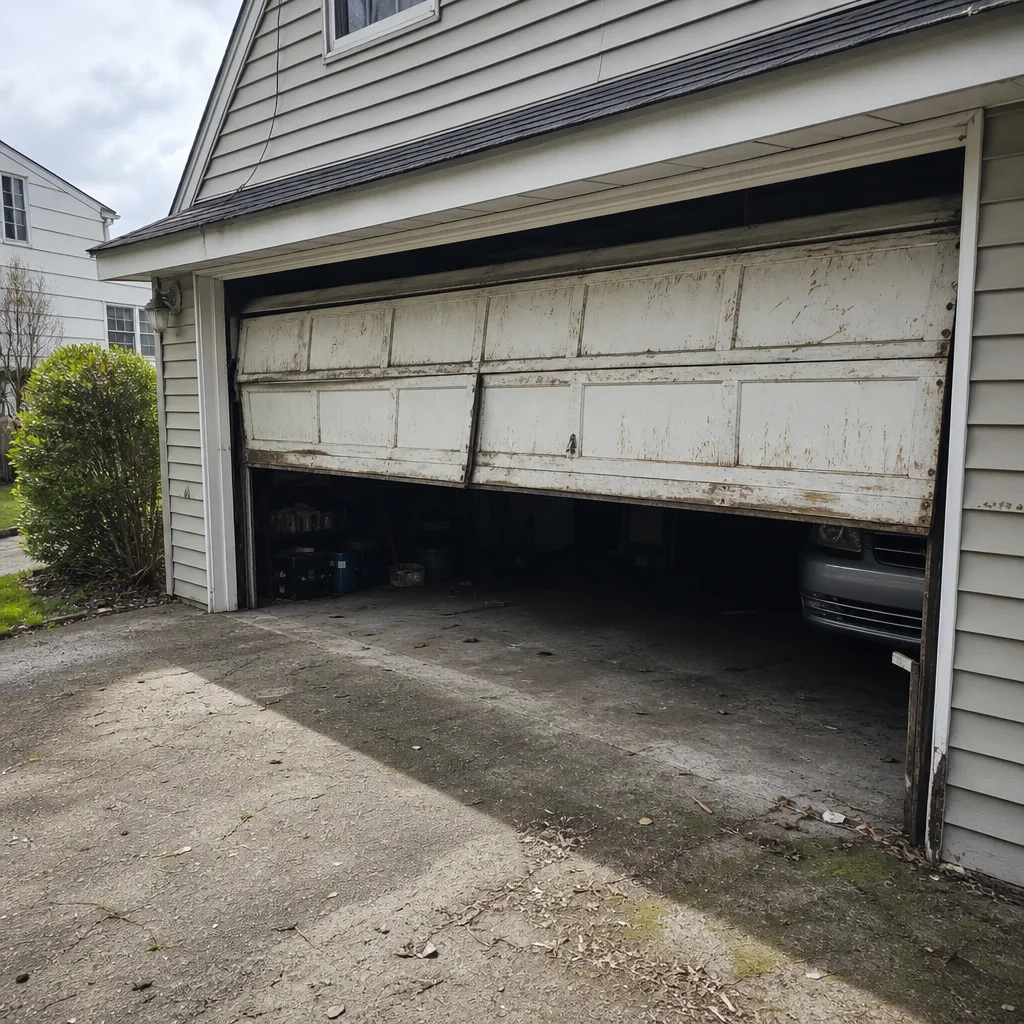 Before
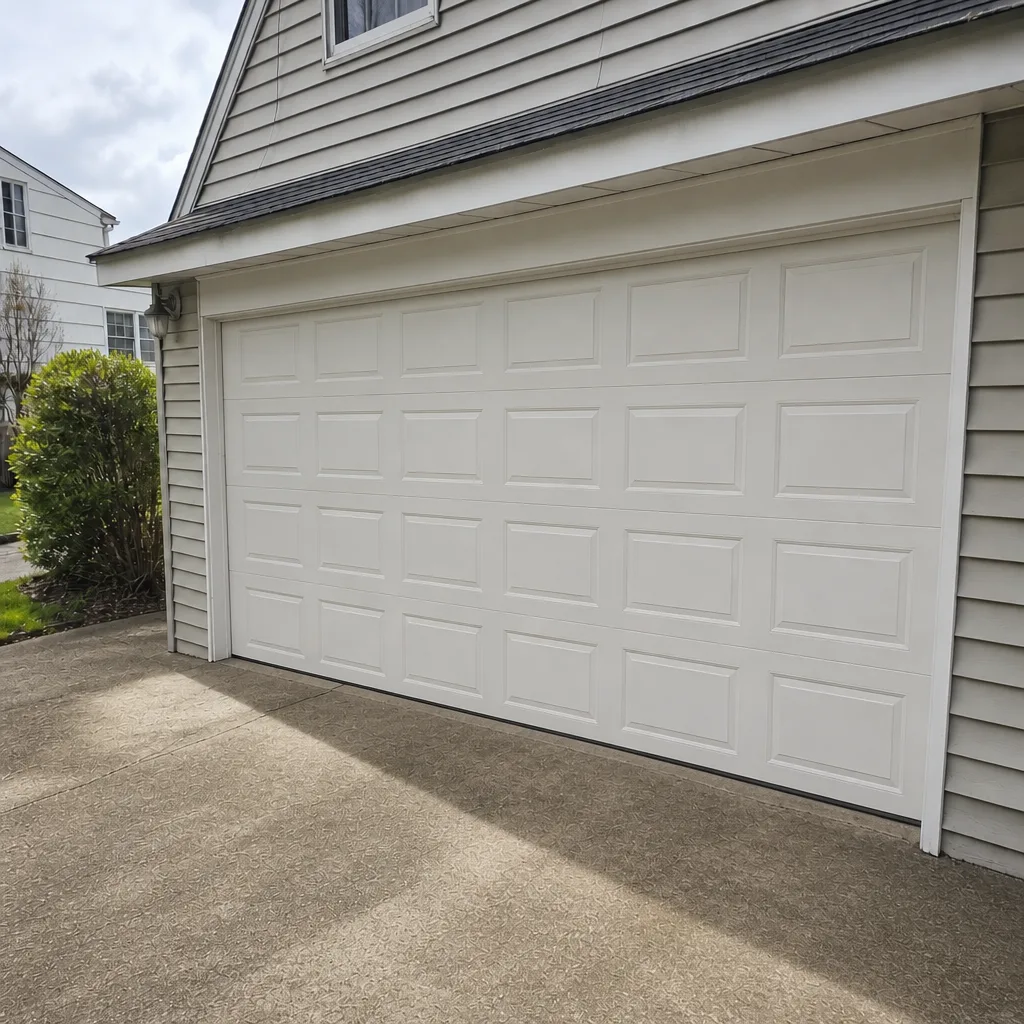 After
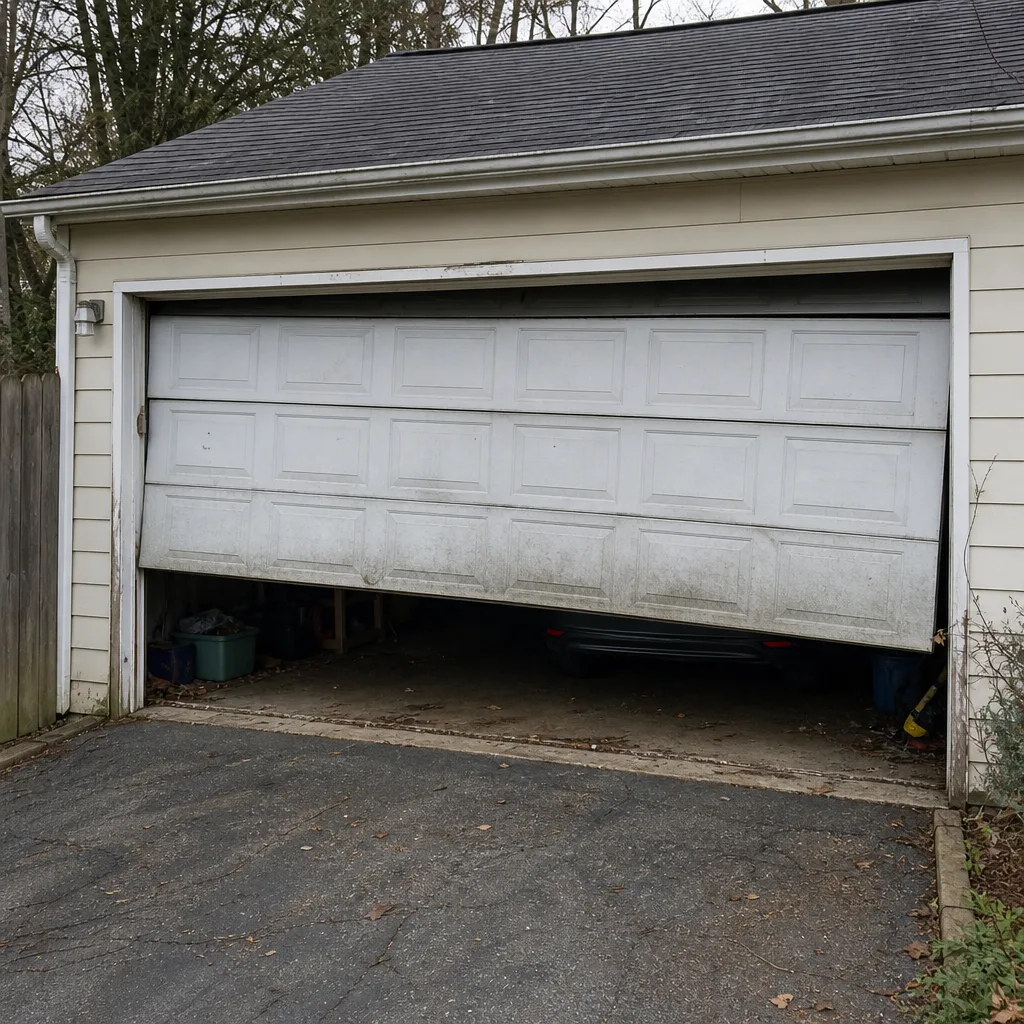 Before
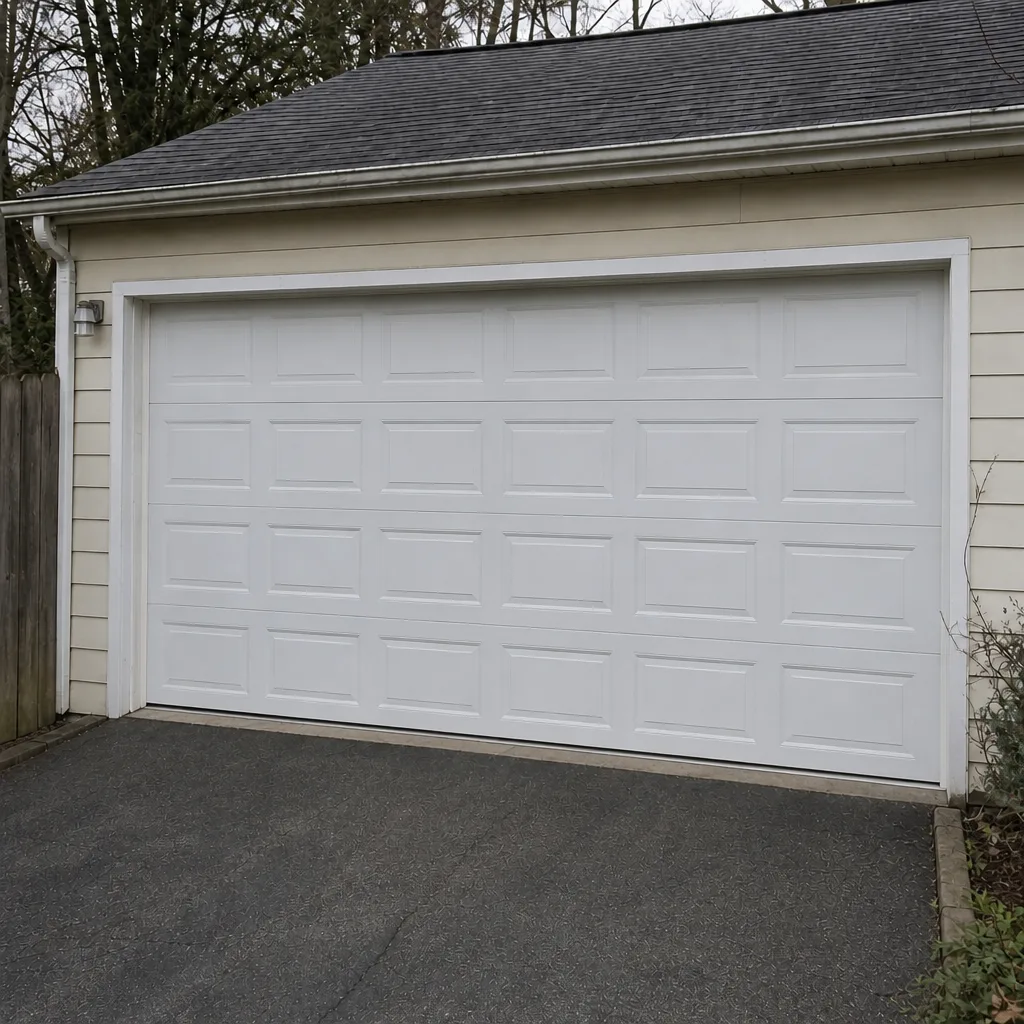 After
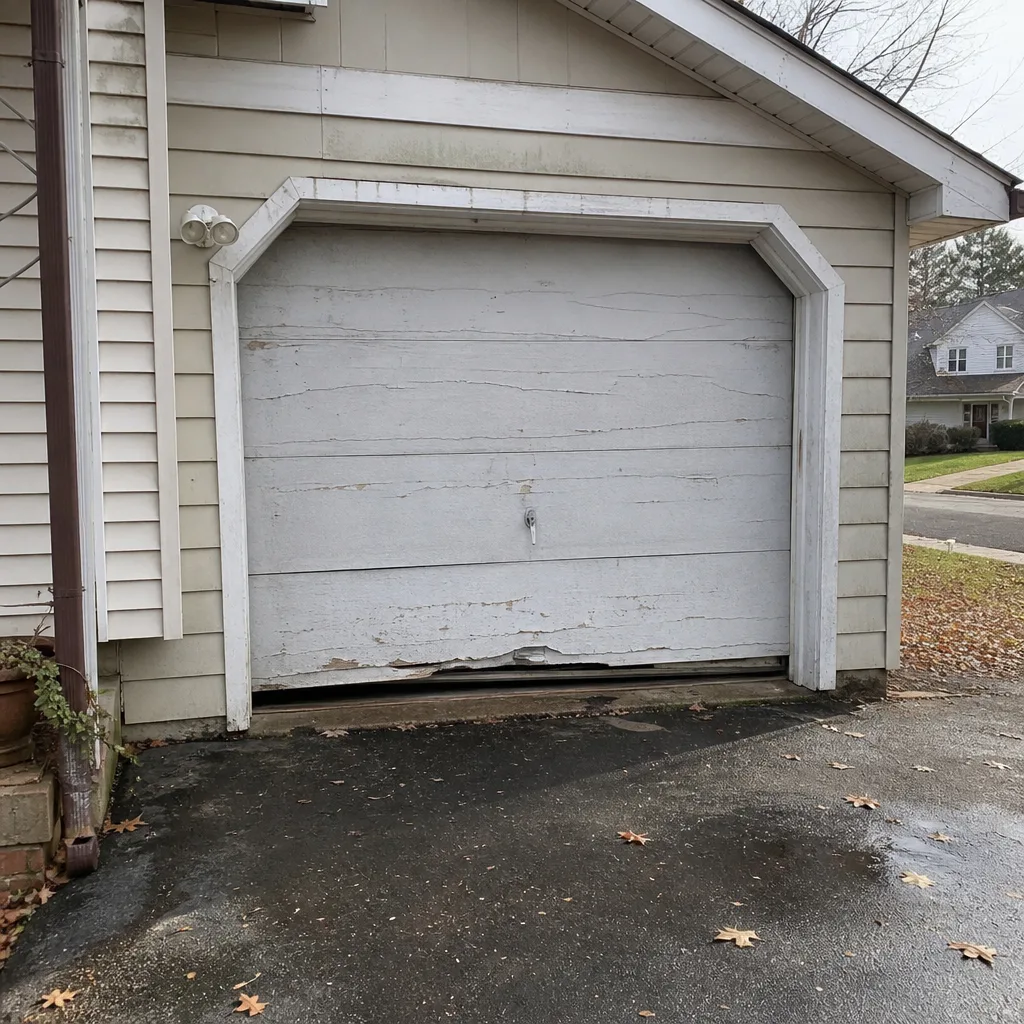 Before
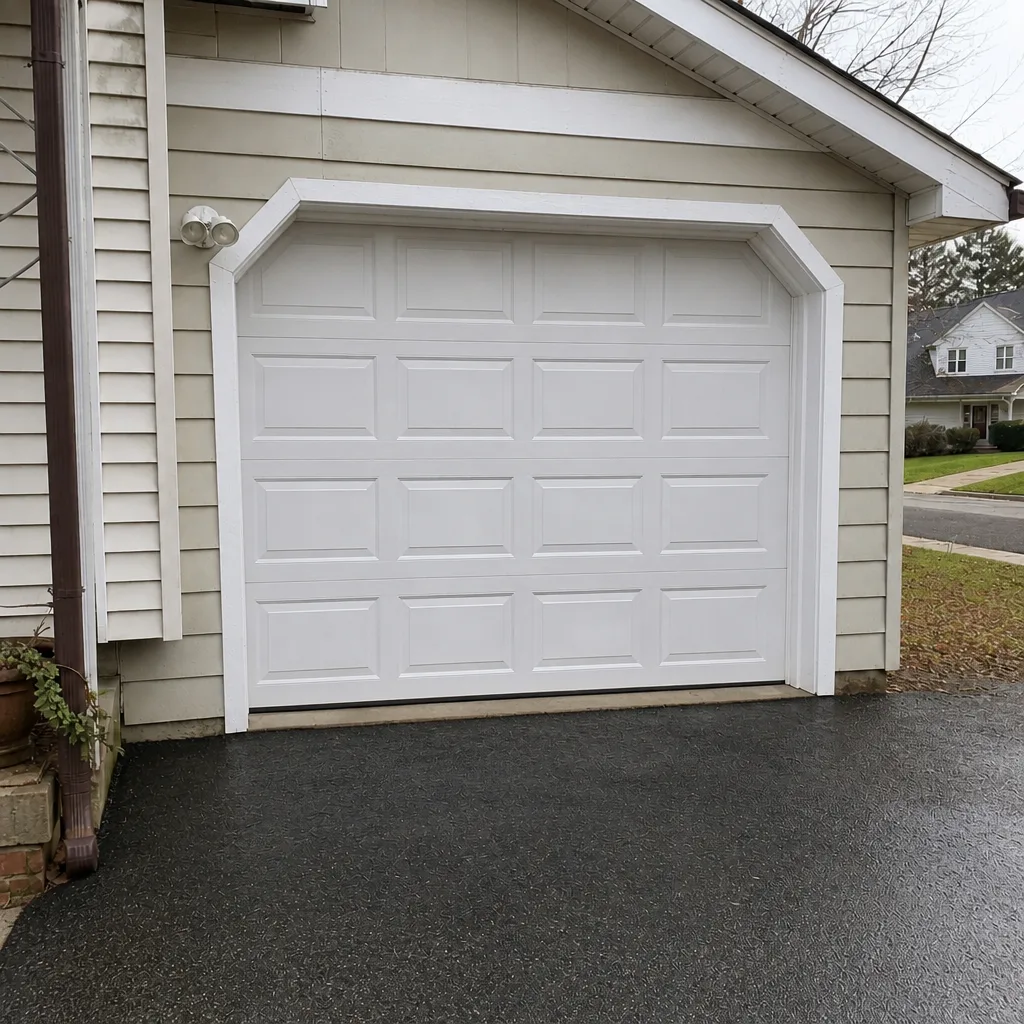 After
Frequently Asked Questions
In most cases a full garage door replacement is treated as construction work under the NJ Uniform Construction Code and requires a permit; a repair such as a spring, opener, panel, or hardware replacement generally does not. The scope of your specific project is the deciding factor, and the Parsippany-Troy Hills Township building department is the authority to confirm it with. Call (866) 643-7636 if you want to walk through the scope before booking anything – estimates are free.
Timelines depend on the township’s workload and how clearly the scope is described. A straightforward door replacement usually moves faster than a project that touches framing or fire separation. Build a week or two of slack into the schedule rather than assuming a fast turnaround, and confirm current timing with the building department when the application is filed.
It can. Carriers respond differently when a claim arises from work that was never permitted, and the file may be investigated rather than paid straight through. The bigger, more predictable impact is at resale, where a buyer’s inspector flags the missing documentation and the closing stalls while the permit is retroactively pulled and closed. Confirm your own coverage details with your insurer.
If your garage is attached to the house, the wall and the door between garage and living space are part of a fire separation designed to slow a garage fire from reaching the interior. The overhead door is not the door in question – the fire-rated requirement applies to the interior door you walk through. Confirm the specific requirement for your opening with the Parsippany-Troy Hills Township building department, since the code language is precise.
In New Jersey a homeowner can self-file a permit for work on their own home. The permit holder is responsible for scheduling the inspection and correcting anything the inspector flags. When a contractor holds the permit, that coordination generally moves to them. Ask whichever company you hire which arrangement they operate under – it’s a fair question.
An opener repair or a like-for-like opener swap on the existing wiring typically does not require a permit. If the project involves running new electrical circuits, that portion moves into permitted work. Confirm with the Parsippany-Troy Hills Township building department, and if it’s just the opener that’s failed, read up on garage door opener repair before scheduling.
The Bottom Line
In Parsippany, the question isn’t whether garage doors are regulated – it’s whether your specific project crosses the permit threshold. Repairs almost never do. A full replacement often does. The fire-rated door between your garage and living space is a code element in its own right and deserves a look during any renovation. If you’re filing, know who’s holding the permit and who’s responsible for the inspection. The paperwork you keep today is the file a buyer’s inspector reads later, and the phone call before the work starts costs far less than the one after. Whether you’re replacing, repairing, or just confirming the scope, our technicians have up to 8 years of experience and will give you a straight answer on what your door actually needs.
Contact
Ready to move forward on a garage door project in Parsippany? Call Parsippany Garage Door Repair Pros at (866) 643-7636 for a free estimate. We’ll diagnose the system you already have, walk through the repair or replacement scope, and give you a written price before any work begins. Garage doors only – springs, openers, panels, and tracks. Visit Parsippany Garage Door Repair Pros for the full service picture.
Written by the team at Parsippany Garage Door Repair Pros.