Last updated November 23, 2026
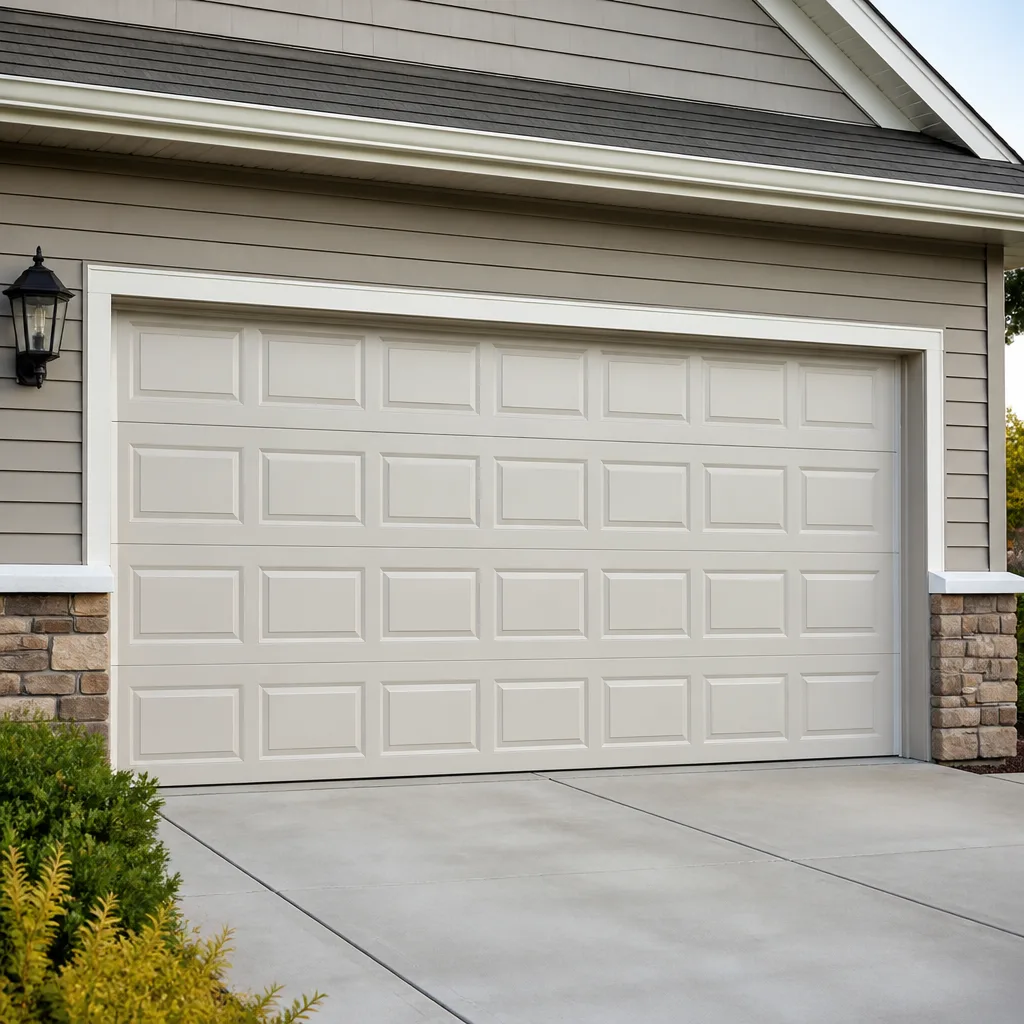 Raised-panel steel
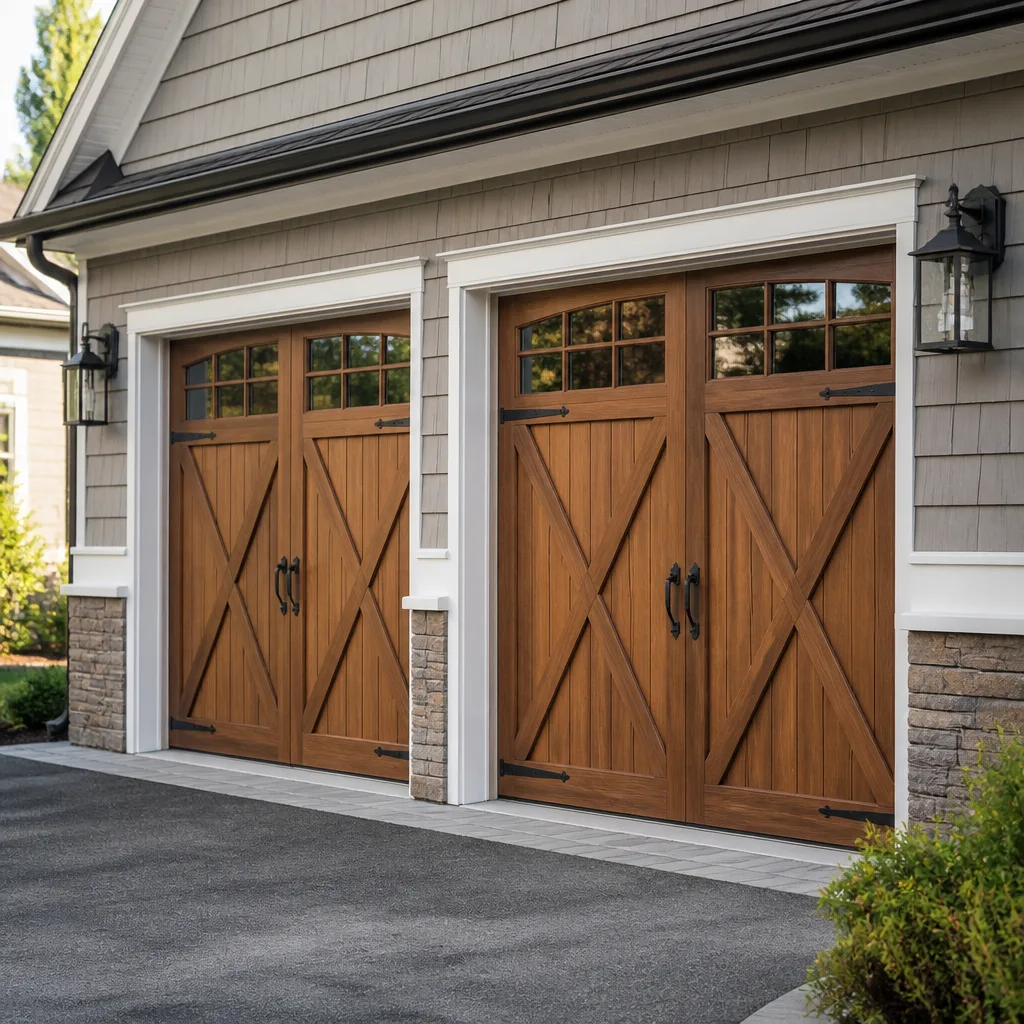 Carriage house
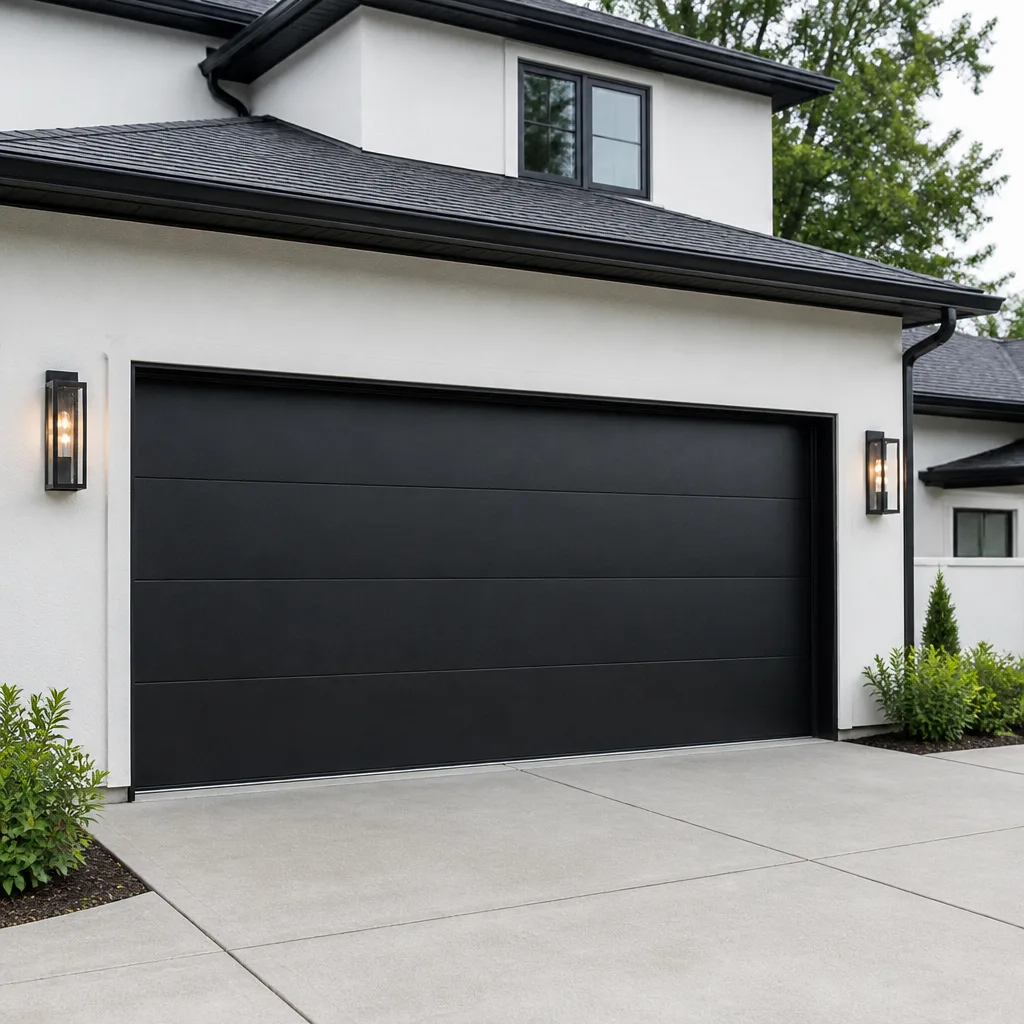 Modern flush
 Full-view glass
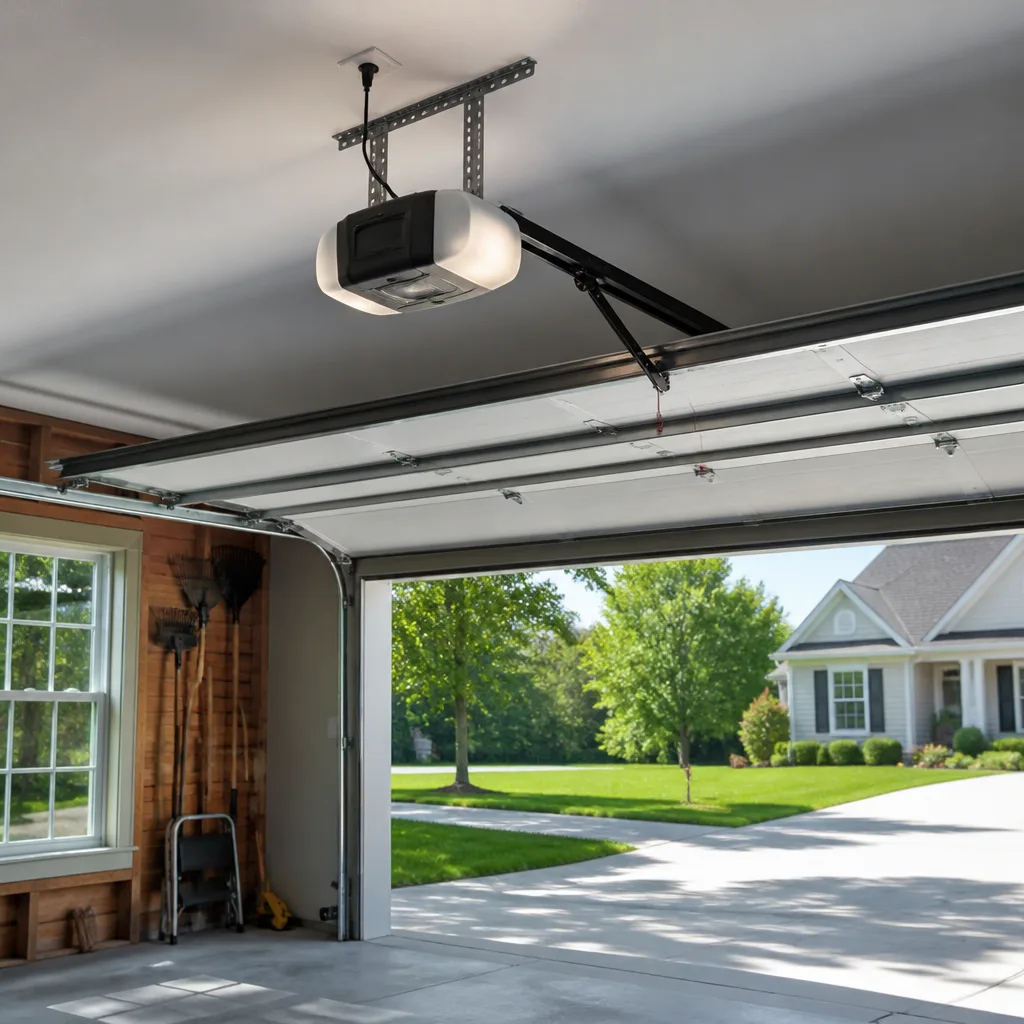 LiftMaster openers
 Chamberlain openers
Full 25-point door and opener safety check with every visit - springs, cables, rollers, tracks, and your LiftMaster or Chamberlain opener included
You get a price before we start. It does not change when the pro arrives.
Get your free estimateGarage Door Warning Signs: A Parsippany Homeowner’s Reference Guide
A garage door that takes two seconds longer to open than it did six months ago is not “getting old.” It’s showing measurable opener strain that, left alone, will burn out the motor or snap a cable under load. The door is telling you something specific; most homeowners just don’t have the translation.
That’s the gap this guide closes. We’re going to map the sounds, movements, and visual clues a garage door gives off to the mechanical parts behind them, so you can tell the difference between normal wear and something that needs a technician this week. Parsippany homes see real seasonal swings in temperature and humidity, and that cycle puts steady stress on springs, cables, and tracks. Knowing what you’re looking at changes the call you make.
Quick Answer
A garage door that grinds, jerks, lifts unevenly, reverses on its own, or shows frayed cables, rust streaks, uneven spring gaps, or flat-spotted rollers is signaling component wear that will get worse. Stop operating the door and have it inspected if you see a snapped spring, a loose or frayed cable, or a door that won’t stay up.
Styles & brands we work with
- Raised-panel steel
- Carriage house
- Modern flush
- Full-view glass
- LiftMaster openers
- Chamberlain openers
Table of Contents
- What Your Garage Door’s Noises Are Telling You
- Movement Problems and What They Mean
- Safe Visual Checks You Can Do Yourself
- The Safety-Critical Threshold: When to Stop Using the Door
- Spring Wear: The Warning Sign Most Homeowners Miss
- Opener Warning Signs vs. Door Warning Signs
- How to Describe Symptoms So the Diagnosis Is Faster
- Seasonal Wear in Parsippany and What It Does to Your Door
What Your Garage Door’s Noises Are Telling You
Sound is the first diagnostic tool a technician uses, and it’s one you can use too. Each noise points to a different part of the system. Here’s how to translate what you’re hearing.
Grinding
A grinding sound usually implicates the opener’s gears, the drive mechanism, or dry, worn rollers. If the grind happens as the door starts to move and then fades once it’s rolling, the opener’s drive is struggling. If it’s constant through the whole travel, the rollers or the track are the likely culprit. Grinding that gets louder over a few weeks is a wear signal, not a fluke.
Scraping
Scraping means metal is rubbing on metal. In most cases it’s a door panel catching the track, a bent section of track, or a roller that’s come partially out of its track. On Clopay and Amarr doors with heavier steel panels, a misaligned track will scrape loudly before it ever visibly bends. Don’t ignore it; scraping tracks wear through quickly.
Popping
Popping often comes from a torsion spring that’s starting to fail, a cable jumping its drum, or a panel plate rubbing during travel. Popping near the top of the door on the first lift of the day is worth a close look. Anything popping under spring tension is in the category of “have a professional look at it,” not “spray it and hope.”
Rattling
Rattling is the most benign of the four, and the most common. Loose hinge bolts, bracket screws, or the opener rail vibrating against its mounting are the usual sources. It’s an easy fix, but persistent rattling can loosen fasteners you don’t want coming free under load.
Movement Problems and What They Mean
How the door moves tells you as much as how it sounds. Watch a full open-and-close cycle from inside the garage (standing clear of the door’s path) and note what you see.
Uneven Lifting
If one side of the door rises faster than the other, the door is out of balance. The usual causes are a failing spring on one side, a stretched cable, or uneven cable tension. A door that’s out of balance is putting its full weight on the opener motor, which was never designed to lift the door on its own. That’s how openers burn out.
Jerking or Stuttering
A door that jerks as it moves usually has a binding track, a worn roller, or a torsion spring that’s lost tension. On Wayne Dalton doors with a torquemaster-style system, jerking often points to the spring tube rather than the panels. If the jerking gets worse as the door goes higher, the spring is the first thing to check.
Reversal Mid-Travel
A door that goes partway up and reverses is usually tripping a safety sensor or hitting a travel-limit setting on the opener. Sometimes it’s a sensor slightly out of alignment, sometimes it’s an obstruction the door detects, and sometimes the opener’s logic board is failing. On LiftMaster and Chamberlain units, the sensor alignment is the first thing to verify.
Slow Response
When you press the remote and the door takes a beat longer to respond than it used to, that’s an opener signal. It can be remote battery, sensor wiring, or logic board degradation. If your neighbor’s door opens faster than yours does, that’s a fair comparison. The opener is aging, not the door.
Safe Visual Checks You Can Do Yourself
There’s a lot you can check without touching anything under tension. The key is to do these checks with the door closed, and never to reach into the track, near the springs, or under the door itself.
- Cables. Look at the cables that run along each side of the door. They should be smooth and taut. Fraying, kinks, or a cable that hangs loose all mean stop operating the door and call for garage door repair.
- Springs. On torsion springs, look for a visible gap in the coil. A gap is a broken spring. On extension springs, look for stretching or distortion. Never try to test or adjust a spring yourself; high-tension springs can cause serious injury.
- Rollers. Rollers should be round and free of flat spots. Steel rollers with flat spots bang against the track. Nylon rollers wear smoother but can crack with age. On Craftsman doors, worn rollers often make the door feel rough without making much noise.
- Tracks. Tracks should be straight and screwed flush to their brackets. Dents, bends, and loose bolts in the track are visible on a quick walk-through.
- Rust patterns. Uneven rust on one side more than the other suggests moisture getting to the door unevenly. Rust on the bottom panel is common; rust on hinge points and bolts means wear stress.
- Weather seal. The bottom rubber seal should sit flat against the floor. A seal that’s cracked or torn lets water and pests in and stresses the bottom panel.
If any of these turn up something concerning, note the location and call it in. Photos from your phone help too. Free estimates mean you’re not out anything for the call.
The Safety-Critical Threshold: When to Stop Using the Door
Some warning signs say “schedule a visit.” Others say “stop using the door right now.” A broken spring, a frayed or loose cable, a door that has come off the track, and a door that won’t stay up are all in that second category. Operating the door in any of these conditions can cause a panel to fall or the door to come down unexpectedly.
Springs and cables are under tension that can injure someone badly if they let go. This is a job for trained professionals with the right tools. We specialize in garage door spring repair, and honestly, most of the emergency calls we get come from someone who tried to operate a door that was giving clear signals to stop. Don’t be that call.
Signs that mean: stop and call
- You heard a loud bang from the garage and the door won’t lift at all.
- You can see a gap in a torsion spring or a visibly stretched extension spring.
- A cable is frayed, kinked, or hanging loose.
- The door has come out of its track on one side.
- The door is more than halfway down and won’t close, or more than halfway up and won’t open.
- The automatic reverse safety feature fails when you test it with a piece of wood on the floor (test this with the door in motion and stand clear).
Testing the auto-reverse is worth doing every few months. Place a 2×4 flat on the floor in the door’s path and run the door down; it should reverse on contact. If it doesn’t, call for garage door opener repair before you use the door again.
Spring Wear: The Warning Sign Most Homeowners Miss
Springs don’t fail quietly. They lose tension gradually, then fail suddenly. The gradual loss is the part homeowners miss, because the door still opens; it just opens heavier and slower than it used to. By the time the spring breaks, you may have been paying for the strain for months.
Torsion springs
Torsion springs are the coiled springs mounted horizontally above the door. They carry the door’s full weight. Warning signs include a door that feels heavier to lift manually, a gap in the coil, or an opener that’s suddenly working harder. A pair of torsion springs is usually replaced together when one fails, because the second one has the same wear on it.
Extension springs
Extension springs run along the horizontal tracks on each side. They stretch and contract with every cycle. The warning signs include visible stretching beyond normal, a distorted coil, and a door that bangs at the top of its travel. Extension springs are the more dangerous of the two types when they fail without a safety cable routed through them, which is why current codes in many areas require safety cables on extension springs. If you’re not sure whether your door has them, ask your city’s building department or have a technician look during the next service.
When to treat springs as urgent
Any visible damage to a spring means stop. Anywhere from Parsippany’s Lake Hiawatha side to the Powder Mill section, spring failure is one of the most common calls we get, and it’s almost always a job for a trained professional with the right tools and safety gear. This isn’t a handyman repair. It’s a specialty.
Opener Warning Signs vs. Door Warning Signs
Not every warning sign belongs to the door itself. The opener is a separate system, and its failure modes look different from a mechanical door problem. Being able to tell them apart saves time on the phone and steers the diagnosis faster.
Door-side symptoms
- Uneven lifting or sagging on one side
- Grinding, scraping, or popping from the tracks or springs
- Jerking, sticking, or a door that feels heavy when lifted manually
- Visible frayed cables, worn rollers, or bent tracks
Opener-side symptoms
- Remote or wall button doesn’t respond, or responds intermittently
- Door reverses partway up or down
- Light flashes but the door doesn’t move
- Motor runs but the door doesn’t move (a broken drive gear, worn belt, or stripped sprocket)
- The door only opens a few inches and stops
We work with the major opener systems you already own, including LiftMaster, Chamberlain, Genie, and Craftsman, so diagnosis is fast and there’s no need to replace a perfectly serviceable opener just because it’s a different brand than we’d pick today. Diagnose first, replace only if necessary.
How to Describe Symptoms So the Diagnosis Is Faster
A precise description gets a faster diagnosis and a tighter quote. There’s a big difference between “my door is broken” and “the door opens about two feet, grinds hard, and reverses back down.” The second one is a five-minute diagnosis. The first one is a fishing expedition.
Here’s how to structure the call.
- What the door is doing. “It won’t open at all.” “It opens partway and reverses.” “It opens but jerks on the way up.” Start there.
- When it started. “Two days ago.” “After the last cold snap.” “Gradually over a month.” This helps us distinguish sudden failures from wear.
- Any sounds you’ve heard. Grinding, scraping, popping, rattling, banging. Note whether it’s constant or intermittent.
- What you’ve seen. Visible spring gap, frayed cable, dented track, door off its track. Describe it specifically.
- What you’ve tried. Did you pull the manual release? Replace the remote battery? Adjust the sensor? These matter.
- The door model and opener brand if you know it. Look on the door’s interior panel or the opener housing. A Clopay steel door paired with a Genie opener is a different conversation than a Wayne Dalton with a chain-drive Chamberlain.
One call handles all of it. One call for the springs, the opener, the panels, and the tracks. No handoffs to a second contractor.
Seasonal Wear in Parsippany and What It Does to Your Door
Parsippany’s weather moves through real seasons, and the door feels every shift. The freeze-and-thaw cycles of winter, the humidity of summer, and the temperature swings through spring and fall all expand and contract metal parts at slightly different rates. That’s why so many doors fail on the first cold morning after a mild stretch. The metal contracts as the temperature drops, and a spring that was slightly tired takes the final step.
What to watch for seasonally:
- Late fall and early winter: The first cold snap is when tired springs let go. A pre-winter check of the springs, cables, and weather seal is worth the call.
- Spring thaw: Moisture gets into tracks and hinges. Look for rust streaks and binding.
- Summer humidity: Wooden doors expand; rollers can stick. Steel doors with poorly maintained paint can start rust at the bottom panel.
- After storms: Wind and debris are a common source of track dents, popped rollers, and panel damage. Hail is uncommon around Parsippany, so storm damage here is more about wind and falling limbs than impact.
We cover the whole system, from opener to springs to panels to tracks to hinges. If you’re on the fence about whether something warrants a visit, a free estimate settles it. Parsippany Garage Door Repair Pros is a garage door only business, and we’d rather you call on a small signal than wait for a big one.
Common Mistakes to Avoid
- Assuming the door is “just getting old.” Slowness usually means opener strain or spring fatigue. Treating it as age is how homeowners end up replacing an opener that would have been a much smaller fix.
- Spraying lubricant on every noise. Lubricant on a failing spring or a frayed cable hides the problem without fixing it, and can make it worse. Diagnose first.
- Operating a door with a visible spring gap. If you can see a break in the coil, stop using the door. This is a genuine safety issue, and there’s no safe way to test it yourself.
- Trying to fix a cable or spring yourself. These parts are under tension that can injure badly. Leave the tools in the drawer.
- Calling a general handyman. A handyman can oil a hinge. That’s fine. For springs, cables, and opener internals, you want a specialist. Most handymen won’t do spring work anyway because of the risk.
- Replacing a door when only the opener needs work. We see this a lot. A door that’s structurally sound and just has a tired opener is not a replacement. Diagnose first.
- Ignoring the reversal symptom. A door that reverses on its own is a sensor or travel-limit problem 90% of the time. Ignore it and you’ll eventually have a logic board failure on top of everything else.
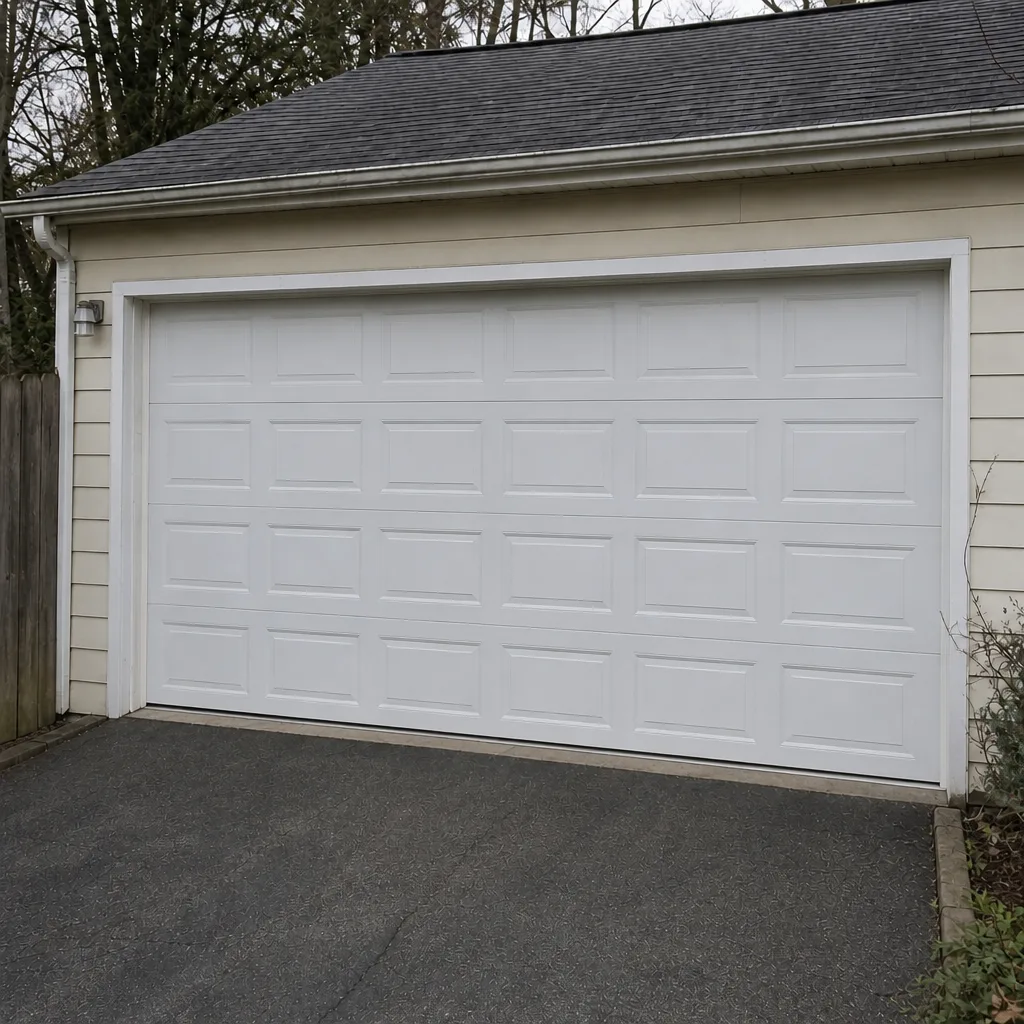
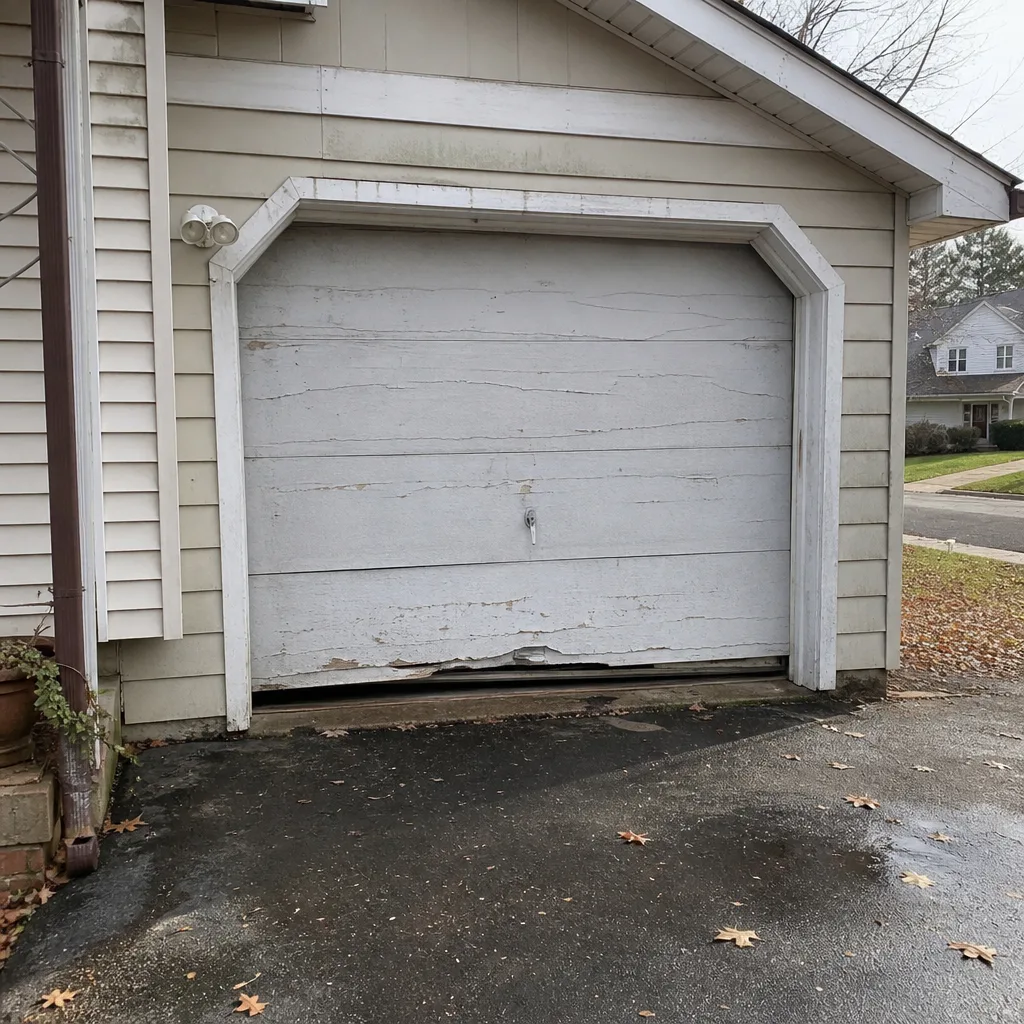
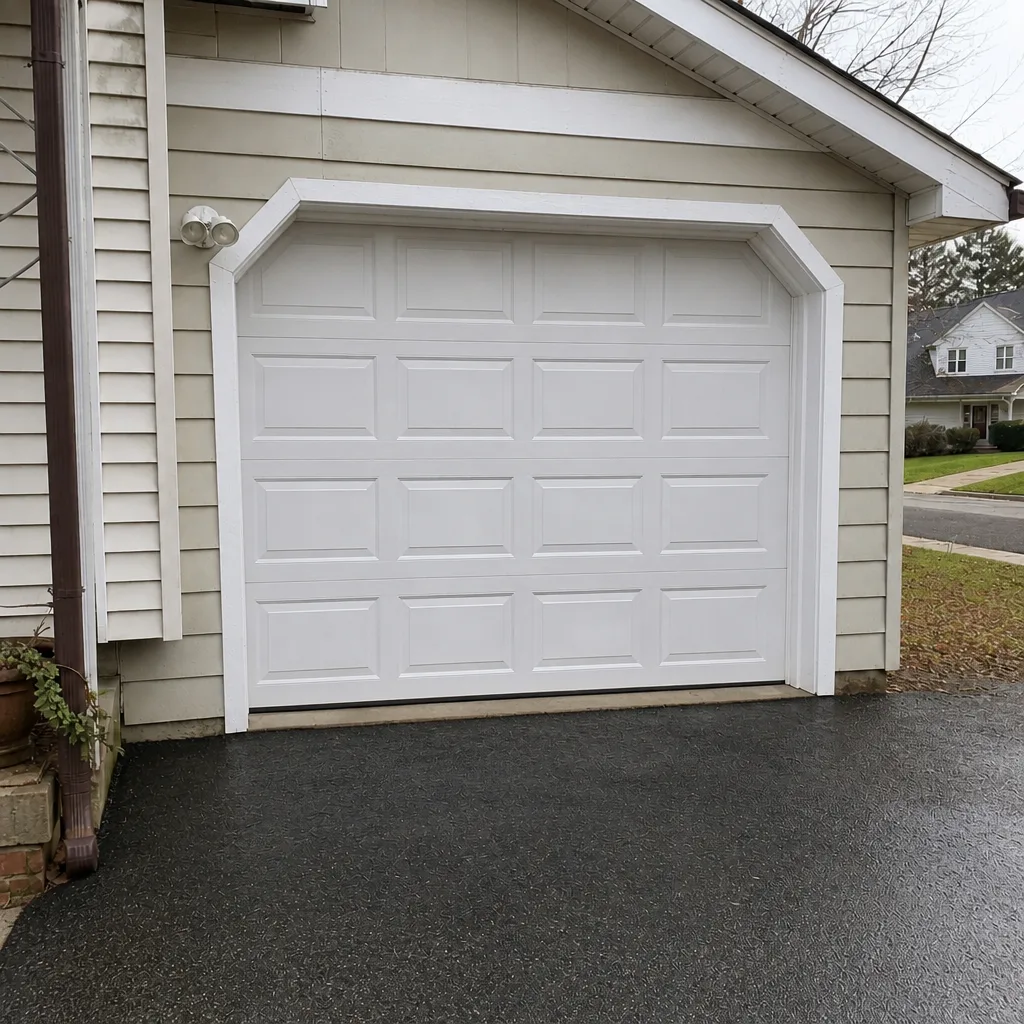
See the difference
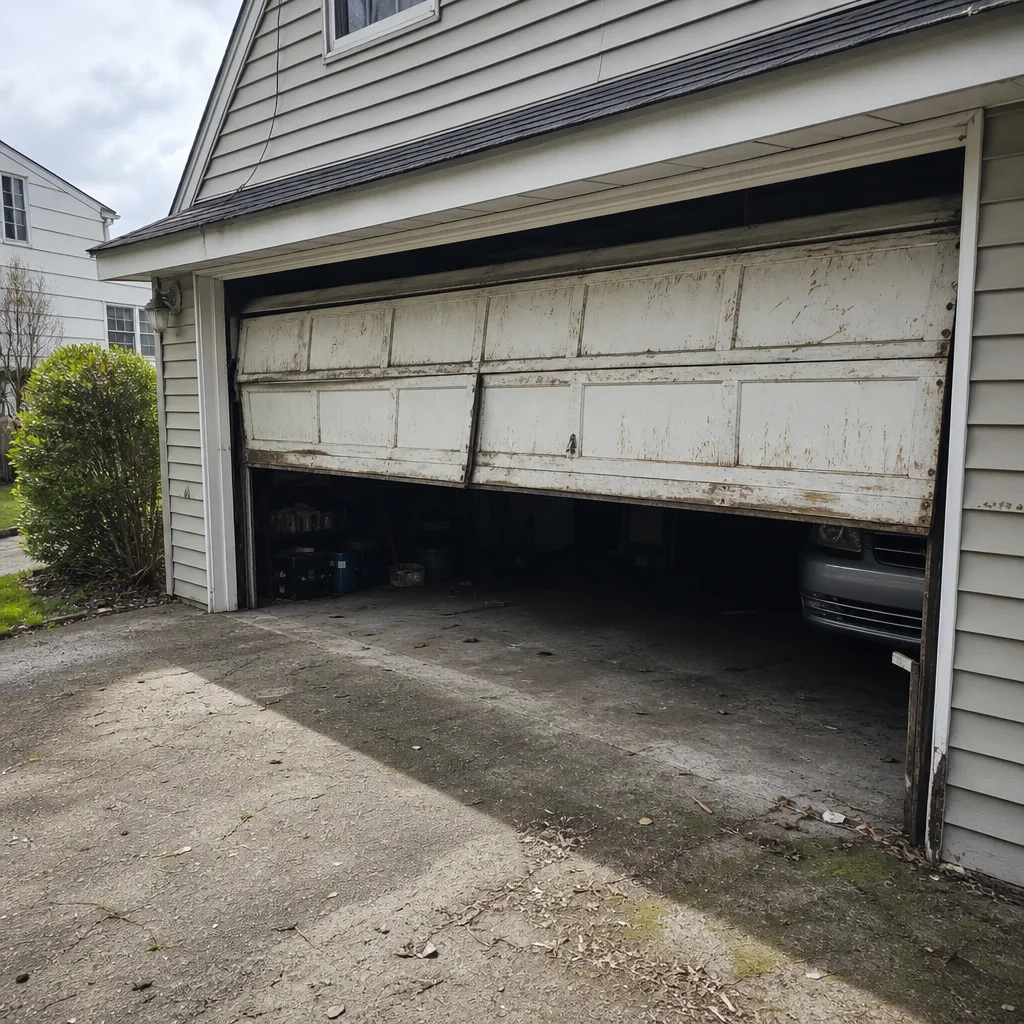 Before
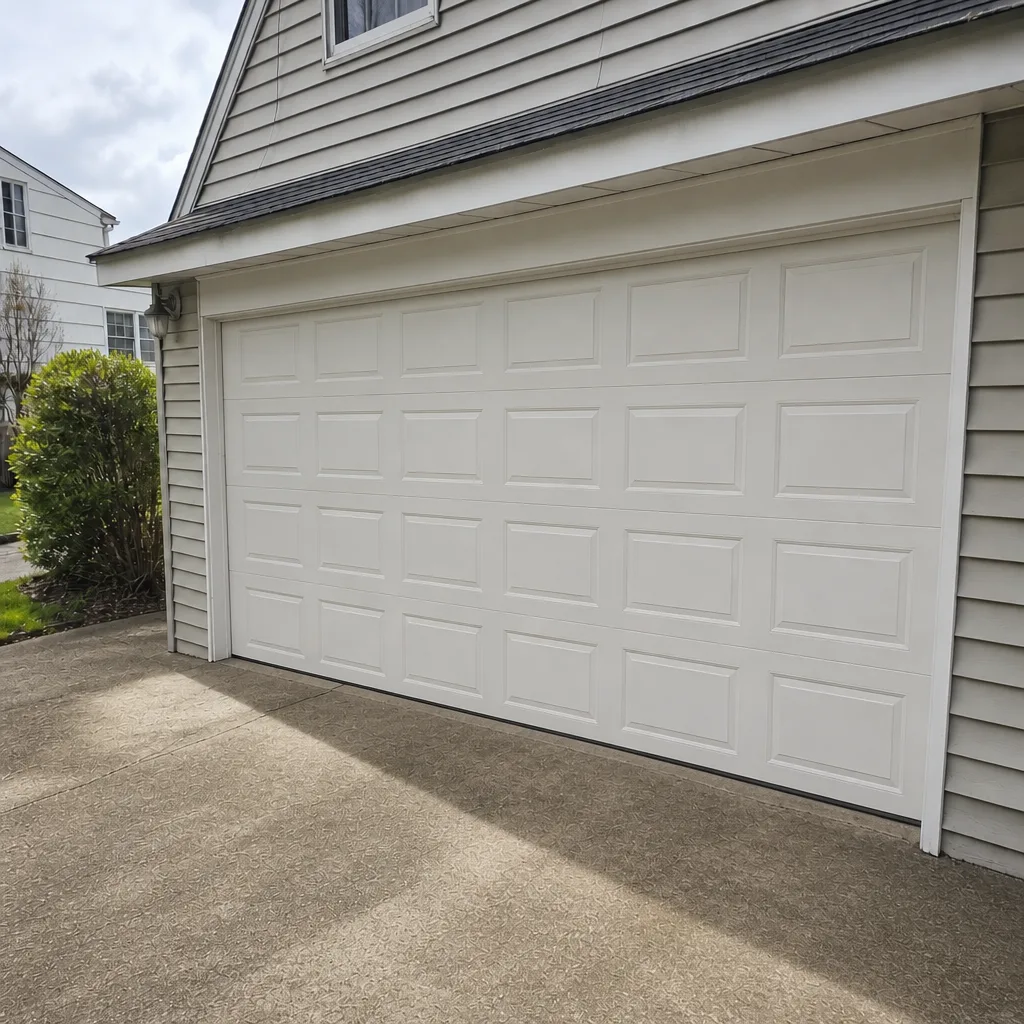 After
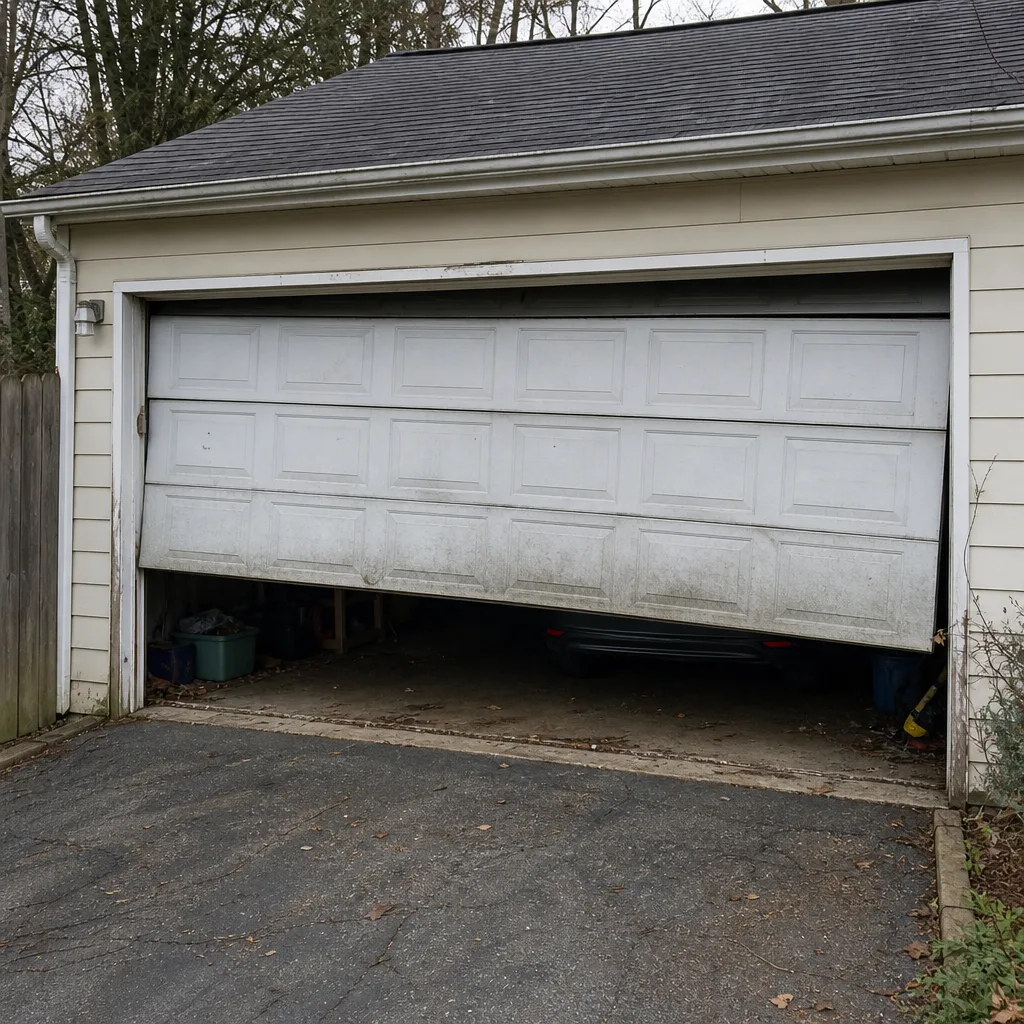 Before
 After
 Before
 After
When to Call a Professional
Any time you can see or hear something that doesn’t match how the door moved a year ago, that’s a fair reason to call. The specific “call today” triggers are: a visible spring gap or snapped spring, a frayed or loose cable, a door that won’t stay open, a door that’s come off its track on one side, a door that reverses mid-travel or fails the auto-reverse test, or a motor that runs without lifting the door. For those, stop using the door and call. For slow response, grinding, rattling, and uneven lifting, call before they turn into the first list. Emergencies happen and we’re set up to respond when your door fails, not just during a standard appointment window. Parsippany Garage Door Repair Pros offers free estimates in Parsippany, and our technicians have up to 8 years of experience across every major door and opener system. Call (866) 643-7636 and we’ll get a technician out to look.
Frequently Asked Questions
It’s an emergency if the door is stuck open, stuck closed with a car trapped inside, has a snapped spring, has a frayed or broken cable, or has come off its track. If any of those are true, stop using the door and call (866) 643-7636. For grinding, rattling, or a slow opener, a standard appointment is usually fine, but don’t put it off for weeks.
Grinding usually points to the opener’s drive gears, dry or worn rollers, or a binding track, depending on whether it happens at the start of the cycle or throughout it. A technician can tell which by listening to a short recording or hearing it in person. Free estimates mean you can get an answer without a diagnostic fee.
Rollers on a sectional door are technically replaceable by a confident DIYer, but the door has to be secured correctly and the springs left alone, which is where many homeowners get into trouble. If you’re going to attempt it, watch a proper video and don’t touch anything under tension. If you’re unsure, call (866) 643-7636 and we’ll sort it out for you.
Intermittent reversal is almost always a safety sensor or travel-limit issue. Check that the sensor lens is clean and the two sensors are lined up across the door. If they are, the opener’s logic board or limits are next. Call (866) 643-7636 for a proper diagnosis.
Once a year is a reasonable baseline, and right before the first cold snap is a smart time to book it, because that’s when tired springs tend to fail around Parsippany. If your door sees heavy daily use, twice a year is better. Call for a free estimate if you’re not sure what needs doing.
A precise phone description gets you much closer to an accurate quote than “my door is broken,” but the final price is set after a technician sees the door. We quote and agree the price before any work starts, so there are no surprises on the invoice.
The Bottom Line
Garage door warning signs come in three families: sounds (grinding, scraping, popping, rattling), movements (uneven lifting, jerking, reversing, slow response), and visuals (frayed cables, spring gaps, worn rollers, bent tracks, rust streaks). Most map to specific parts, and most are fixable when they’re caught early. The safety-critical signs are the short list: visible spring break, frayed cable, off track, won’t stay up. Those mean stop and call. Everything else means call soon. And when you’re ready for a closer look, we’re a phone call away, whatever brand and system you already own.
Call Parsippany Garage Door Repair Pros at (866) 643-7636 for a free estimate. We cover the opener, springs, panels, and hardware under one call, on the door and opener brands you already own.
Written by the team at Parsippany Garage Door Repair Pros.