Last updated November 23, 2026
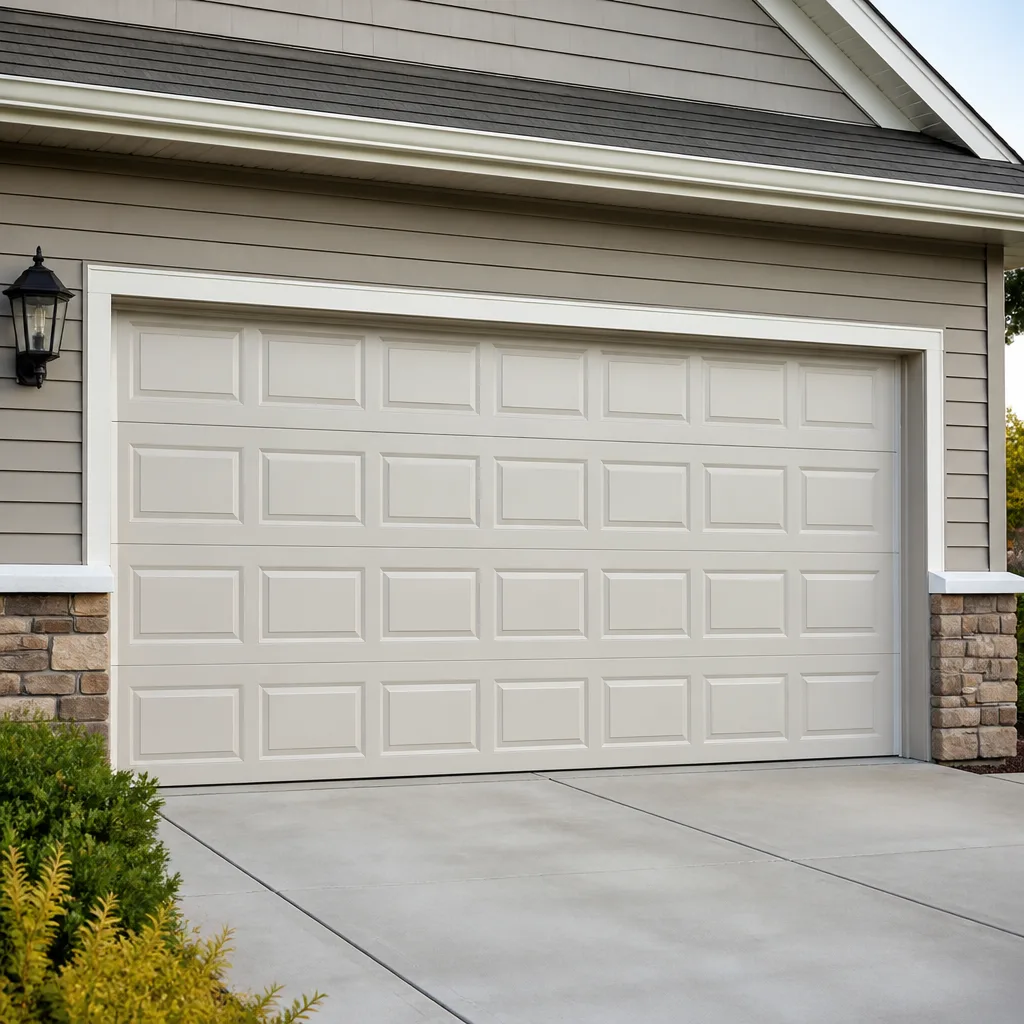 Raised-panel steel
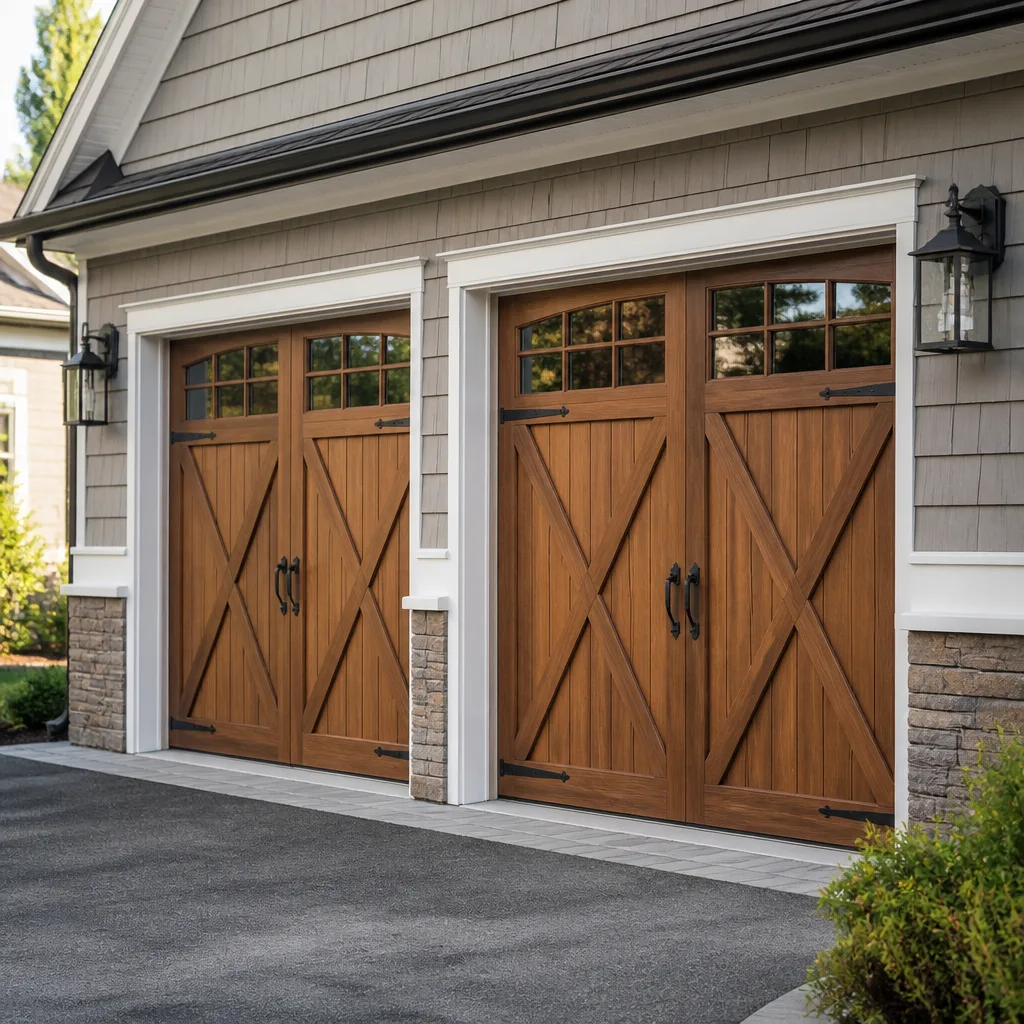 Carriage house
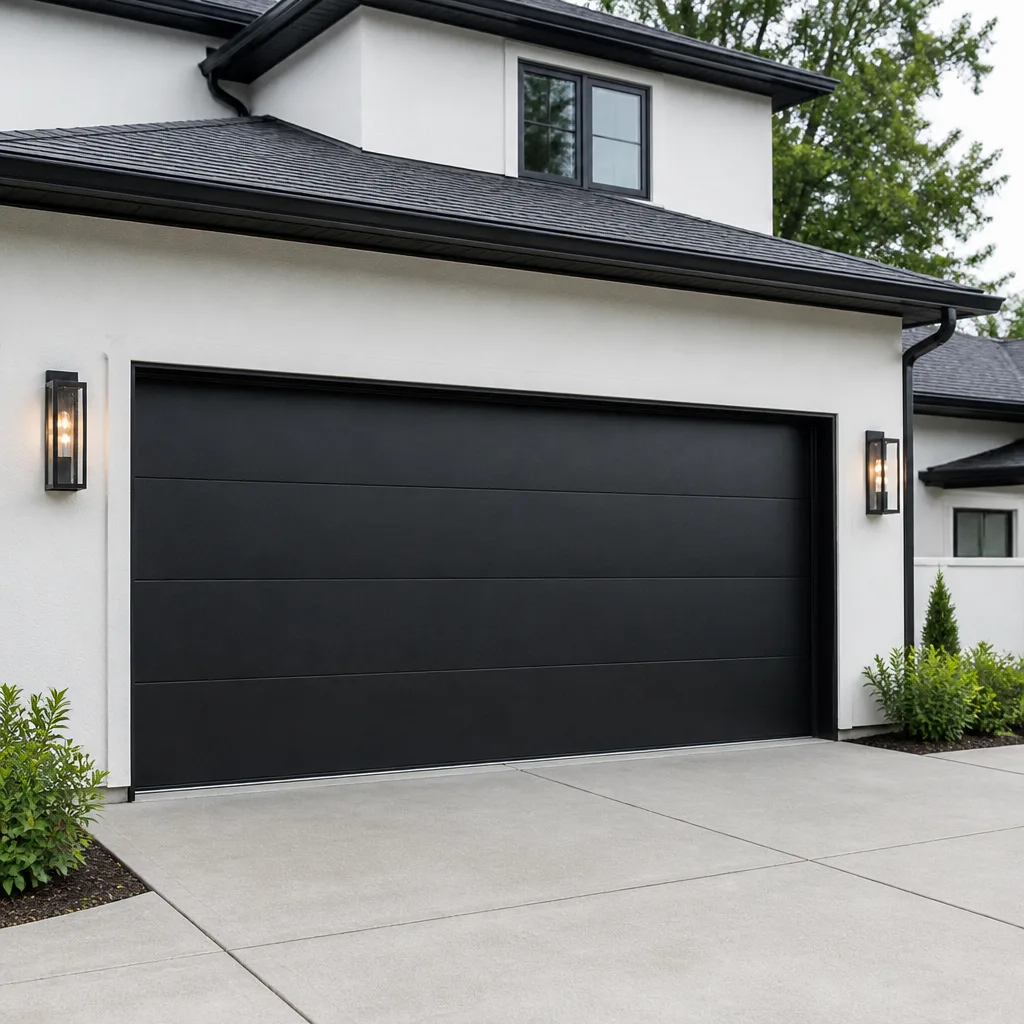 Modern flush
 Full-view glass
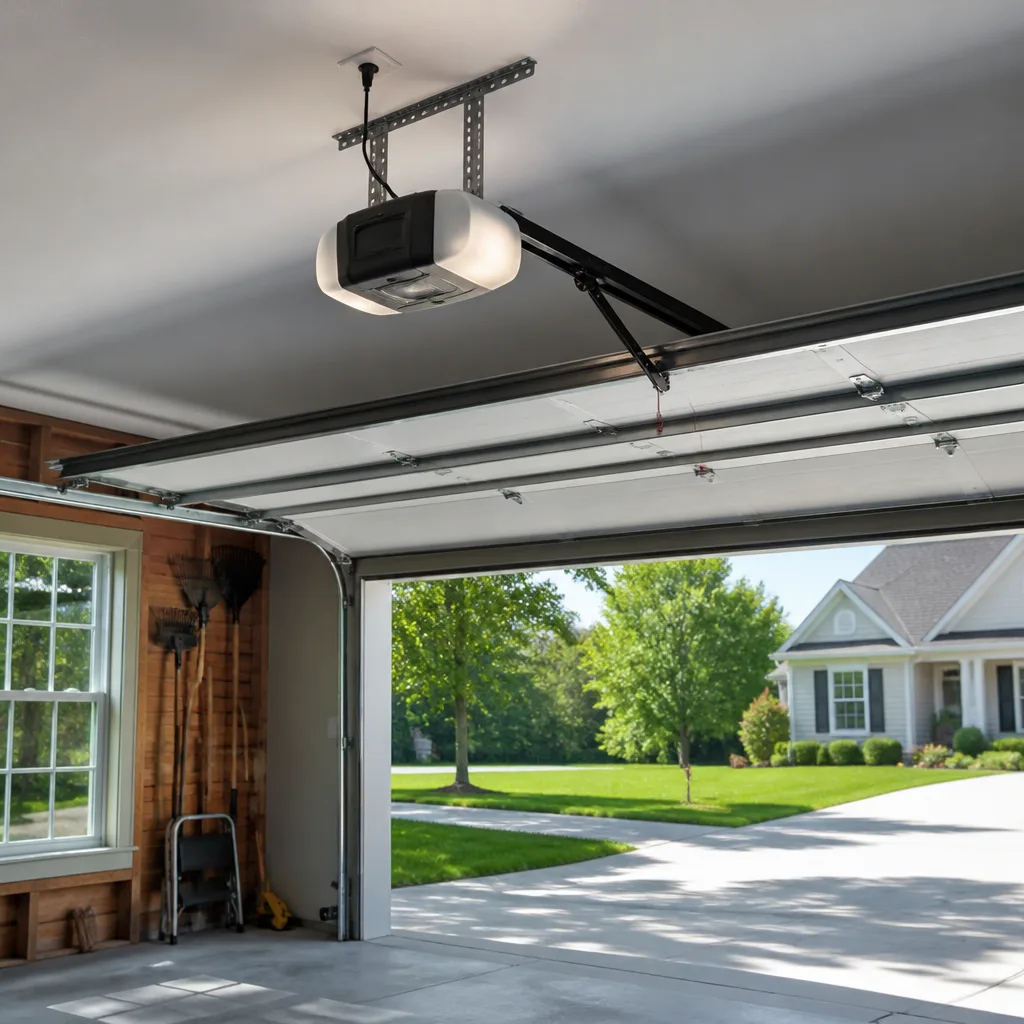 LiftMaster openers
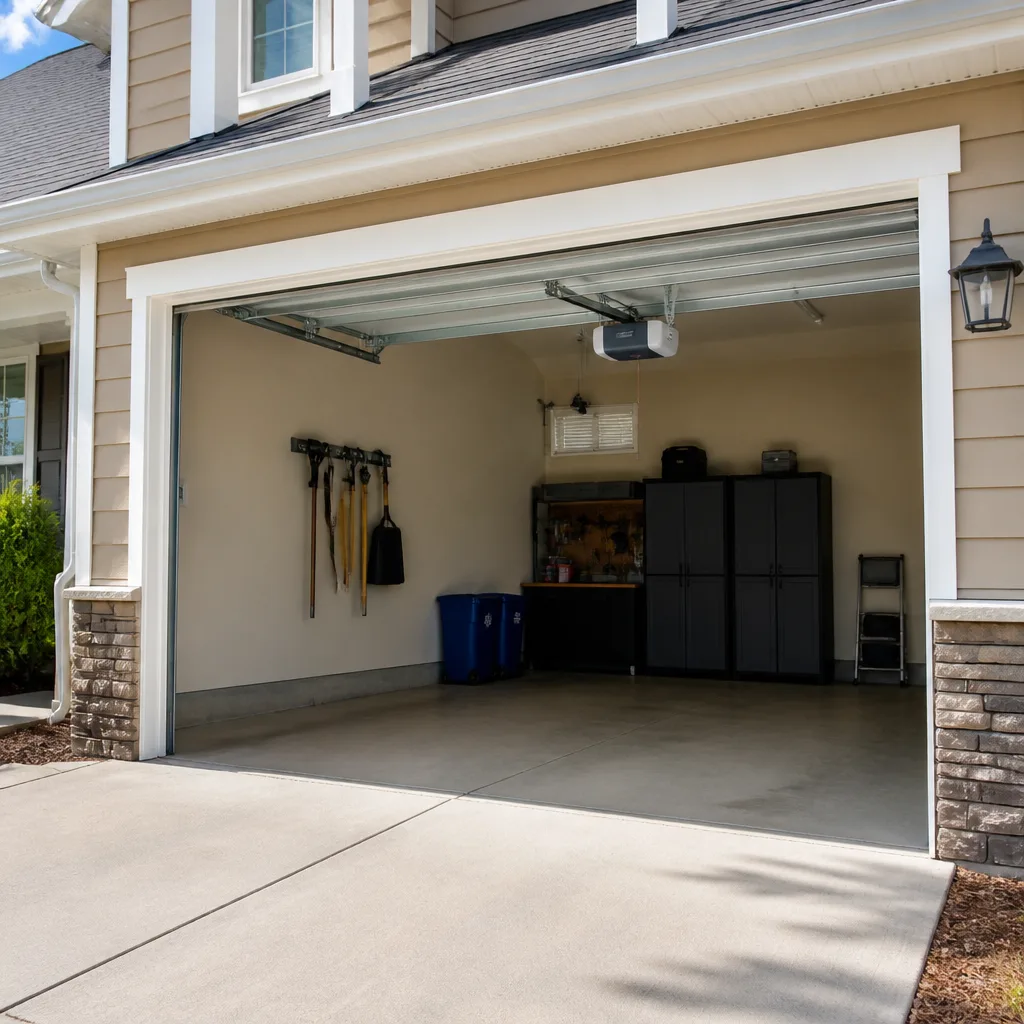 Chamberlain openers
Full 25-point door and opener safety check with every visit - springs, cables, rollers, tracks, and your LiftMaster or Chamberlain opener included
You get a price before we start. It does not change when the pro arrives.
Get your free estimateHow to Hire a Garage Door Contractor in Parsippany: A Step-by-Step Guide
New Jersey doesn’t issue a garage door contractor license. That surprises most homeowners, and it should. It means anyone with a van, a ladder and a website can legally take your spring replacement or opener job, and nothing at the state level stops them. The vetting is on you. This guide treats hiring the way it should be treated: as a technical exercise, not a personality contest. You’ll learn how to verify a New Jersey Home Improvement Contractor registration in about two minutes, which manufacturer programs actually signal training, the three questions that separate a spring specialist from a generalist, and how to read an estimate so you know exactly what you’re paying for. Parsippany’s mix of older split-levels and newer construction makes this especially worth getting right.
Quick Answer
To hire a garage door contractor in Parsippany, verify the company’s New Jersey Home Improvement Contractor (HIC) registration in the state DCA database, confirm they carry liability insurance and workers’ compensation, and ask specifically how they handle high-tension spring work. Get a written, itemized estimate that separates parts from labor, confirm the labor warranty in writing, and never let anyone start work without a signed price. A legitimate specialist will welcome all of this. A generalist will get uncomfortable around question three.
Styles & brands we work with
- Raised-panel steel
- Carriage house
- Modern flush
- Full-view glass
- LiftMaster openers
- Chamberlain openers
Table of Contents
- Step 1: Verify the HIC Registration (It Takes Two Minutes)
- Step 2: Confirm Insurance and Workers’ Compensation
- Step 3: Understand What Brand Certifications Actually Signal
- Step 4: Ask the Three Spring Questions That Separate Specialists
- Step 5: Read the Estimate Structure, Not Just the Number
- Step 6: Recognize the Red Flags in Garage Door Quotes
- Step 7: Know When Repair Makes Sense and When Replacement Does
- Step 8: Plan for Emergency Service Before You Need It
Step 1: Verify the HIC Registration (It Takes Two Minutes)
New Jersey’s Home Improvement Contractor registration is the closest thing this trade has to a license, and it’s the first filter to run. The registration is administered through the New Jersey Division of Consumer Affairs, and the whole check takes about two minutes once you know where to look. Ask the company for their HIC registration number before you ask anything else. A contractor who can’t produce it on request has told you something useful.
Here’s the verification sequence:
- Ask for the HIC registration number in writing, or find it on the company’s estimate or website.
- Search the New Jersey Division of Consumer Affairs contractor database by the company name or the registration number.
- Confirm the name on the registration matches the name on your estimate exactly. Similar-but-different names are a red flag.
- Check the registration status and whether there are disciplinary actions on file.
- Note the registration expiration date. An expired number is not a valid registration.
Keep in mind what HIC registration actually covers and what it doesn’t. The registration establishes that the contractor is registered with the state, and it’s tied to requirements around insurance and consumer protection. It does not certify technical competence in spring tensioning, opener programming or door balancing. Plenty of registered contractors have never properly tensioned a torsion spring. So the HIC check is necessary but not sufficient. It’s the floor, not the ceiling, and this distinction matters more in Parsippany than most homeowners realize, because the housing stock here spans everything from decades-old sectional doors to modern high-lift systems with wall-mounted openers. A registered generalist can still get the spring math wrong.
Step 2: Confirm Insurance and Workers’ Compensation
Ask for a certificate of insurance and read it rather than glancing at it. You want two separate coverages confirmed: general liability insurance and workers’ compensation. They protect different people. General liability covers damage to your property, your door, your car if it’s in the way, or your house if a door comes off its tracks. Workers’ compensation covers the technician who gets hurt on your property.
That second one is the one homeowners skip, and it’s the one that matters most in this trade. Springs, cables and torsion bars store enormous energy. A technician with specialized training still faces real risk on every spring job; an untrained one faces far more. If an uninsured worker is injured in your garage, the consequences can land on you as the property owner. Don’t take a verbal yes. Ask for the certificate, and ask the insurer to confirm it’s current.
Some additional checks worth making while you’re at it:
- Confirm the policy is in the company’s legal name, not a personal policy or a policy for a different entity.
- Ask whether the coverage extends to subcontracted work if they use subs. You want to know who is physically in your garage.
- Confirm the certificate’s effective dates cover the scheduled work date.
A company that treats this request as suspicious has probably not dealt with a careful customer before. In our experience, specialists expect it. Generalists who moonlight in garage doors often don’t.
Step 3: Understand What Brand Certifications Actually Signal
Manufacturer certifications are worth knowing about, but only if you understand what they prove. Programs like LiftMaster’s ProVia dealer tiers and Clopay’s Master Authorized dealer program are primarily channels for training, parts access and warranty handling. They are not a guarantee of craftsmanship, and the internet is full of certified-installer badges that mean nothing. The question isn’t “are you certified,” it’s “what did certification require?”
The useful way to think about it: certification is a proxy for training infrastructure. A company that has earned a program tier has typically completed manufacturer training on specific product lines, has access to genuine parts rather than aftermarket substitutes, and can register installations for the manufacturer warranty. Those are real benefits. But certification on Clopay doors doesn’t tell you anything about the company’s ability to diagnose a Genie opener acting up on a 20-year-old door. The trade is broader than any one brand.
What this means for your hiring decision:
- Ask which brands they work on regularly, not which ones they’re certified on.
- For your existing equipment, ask whether they can service the brand and model you already own without pushing a replacement.
- Ask whether parts they install are OEM or aftermarket, and whether the warranty differs.
- If you’re installing a new door, ask whether the installation will be registered so the manufacturer warranty applies.
The mark of a real specialist is brand fluency, not one deep relationship with one brand. We work on the brand you already have because the door in your garage isn’t changing just because the contractor prefers a different label.
Step 4: Ask the Three Spring Questions That Separate Specialists
Spring work is the clearest line between a garage door specialist and a generalist. It’s also the most dangerous part of the trade. A torsion spring under tension stores enough force to cause serious injury to an untrained person, which is why responsible contractors don’t hand homeowners a “how to” for spring replacement and why general handymen often refuse the job outright. If they don’t refuse it, ask three questions.
- What spring system is on my door, and what are its specifications? A specialist will identify whether you have torsion springs (mounted on a bar above the door) or extension springs (running along the tracks), and can speak to wire gauge, inside diameter and length. A generalist will say “it’s a spring” and change the subject.
- Will you replace one spring or the pair, and why? Springs that were installed together have cycled together. Replacing one and leaving a worn partner is a common shortcut that shortens the new spring’s life. A specialist explains the trade-off; a bargain crew replaces only what’s broken.
- What safety checks come with the job? After a spring replacement, the door should be balanced, the cables inspected, the rollers and hinges checked, the opener force settings verified, and the safety reverse tested. Ask them to walk you through the list. They should be able to.
Those three questions, asked in that order, will tell you in about ninety seconds whether you’re talking to a specialist or someone fitting a spring job between handyman calls. If your door needs work, our garage door spring repair covers the specific process. For anything involving torsion springs, cables or the opener’s force settings, use a trained professional; this isn’t a job to attempt yourself regardless of what a video makes it look like.
Step 5: Read the Estimate Structure, Not Just the Number
A legitimate garage door estimate is itemized. You should see parts and labor broken out, with specific part descriptions that let you identify what’s going in your garage. A single flat number with no breakdown tells you nothing about what you’re buying and gives you no comeback if what gets installed isn’t what you expected. Ask for the itemized version every time.
Here’s what a healthy estimate structure looks like, whether you’re comparing a small fix or a full replacement:
- Part description and quantity: “Two torsion springs, matched pair, [specification]” beats “springs” every time.
- Labor line: Separated from parts, with the number of hours or a flat labor charge stated explicitly.
- Disposal and haul-away: If they’re removing the old door or springs, this should show as a line item or be clearly included.
- Warranty terms: Parts warranty and labor warranty as separate items. A labor warranty matters, and a written labor warranty matters more than a verbal one.
- Total price: The written amount you agree to before work starts.
If you call us for a quote, that’s the format you get. We won’t guess at a number over the phone for a spring or an opener we haven’t seen, and we won’t quote a low number and revise it at the end. The written estimate sets the price; that’s the standard to hold any contractor to, and it’s worth holding us to as well.
| Estimate Element | What You Should See | What to Question |
|---|---|---|
| Parts | Specific description, quantity, brand where relevant | “Springs” or “parts” with no detail |
| Labor | Separated from parts, hours or flat charge stated | Lump sum with no breakdown |
| Warranty | Parts and labor stated separately, in writing | Verbal promises, no documentation |
| Disposal | Line item or clearly included | Surprise charges after the work |
| Total | One written price you agree to before work starts | Range with a verbal “depends on what we find” |
Step 6: Recognize the Red Flags in Garage Door Quotes
Garage door quotes have their own specific warning signs, most of which fall into a few recognizable categories. An unusually low spring price is the first. Springs are a commodity part, but properly tensioning them takes time, the right tools and training. If a quote is meaningfully cheaper than every other quote you’ve received, the difference is usually in what’s missing: the wrong gauge, a single spring where a pair belongs, or no follow-up balance and safety checks.
Watch for these:
- Refusal to separate parts and labor. A legitimate contractor has nothing to hide by breaking the number down. Refusing to do so makes comparison shopping impossible, which is the point.
- No written warranty on labor. Parts warranties matter, but labor is where good installs hold up. A company unwilling to commit in writing to the quality of its own work has told you where the risk lands.
- The upsell to a full replacement from a repair quote. Sometimes replacement is genuinely the right call; that decision should be made from diagnosis, not from the sales pitch. A contractor who quotes a repair and pushes to replace within the same visit is selling, not diagnosing.
- Certification badges they can’t explain. Ask what specific training the certification required. If they can’t say, the badge is decoration.
- Refusal to give the HIC registration number. A registered contractor has a number to share. One that doesn’t want to share it is telling you something.
- Same-day pressure with no written estimate. Urgency is real when a door is stuck, but the same rule applies: no work without a written price you’ve agreed to.
Parsippany has a healthy mix of full-time specialists and seasonal operators. The full-time operators will usually be the ones willing to put everything in writing, because the quality of the work is their entire business, not a side revenue stream.
Step 7: Know When Repair Makes Sense and When Replacement Does
Most garage door problems are repairable. That’s worth saying plainly, because the pressure toward replacement is a recurring theme in this trade. A broken spring, a failed opener, a bent panel, a misaligned track, a noisy roller: these are individual components, not a verdict on the whole door. The door in your garage is a system with springs, cables, hinges, rollers, tracks and the opener, and most repairs are confined to one part of that system.
Replacement starts making sense when the door itself is structurally in bad shape: multiple panels damaged beyond repair, a frame that’s failing, or a door so old that the parts aren’t made anymore. Safety matters here. A door that’s been in service a long time with repeated repairs can eventually become a door where parts cost more than they’re worth, but that’s a diagnosis to reach deliberately, not a sales pitch to make on the first visit.
The right way to think about the repair-or-replace decision:
- Ask for a diagnosis first. The contractor should be able to name precisely what’s failed.
- Ask what the specific repair costs, itemized.
- Ask what a full replacement costs, itemized, for comparison.
- Consider the age of the door and the availability of parts for your brand and model.
- Make the decision from the numbers, not from the contractor’s preference.
If you’re weighing a repair, that’s the time to look at garage door repair in detail. And if you keep coming back to the opener itself, our garage door opener repair covers the diagnostics side. A specialist will separate the door problem from the opener problem; a generalist will often conflate them.
Step 8: Plan for Emergency Service Before You Need It
The worst time to vet a contractor is when your door won’t close and it’s getting dark. That’s when the pressure to call the first number in search results is highest, and it’s when quote discipline tends to slip. The fix is straightforward: find your garage door specialist now, before you need one. When your door won’t move, you want a known quantity, not a search results gamble.
What to confirm in advance:
- The company actually offers emergency service as a standing offering, not as a vague “we’ll see what we can do.”
- The company is a garage door specialist, not a general handyman service, because emergency repair on a door that won’t close usually involves springs, cables or opener settings, which is exactly where generalists bail out.
- The quote-before-work rule holds on emergency calls too. It should. A stuck door is inconvenient, but a surprise bill afterward is worse.
If a door fails on a Saturday and you need a hand, call and we’ll get you booked for Sunday. That’s a reasonable availability standard to expect from a dedicated specialist; if a company offers to quote wildly cheaper on a Sunday evening with no written estimate, that’s a warning sign, not a bargain.
Common Mistakes to Avoid
- Assuming a license is required. It isn’t, in New Jersey. That’s exactly why the registration and insurance checks in this guide exist. Homeowners who skip them find out the hard way that a general handyman’s general liability doesn’t cover garage door spring work.
- Accepting a flat number with no itemization. A single price with no breakdown makes comparison impossible and gives you zero recourse if the installed parts don’t match expectations. Always ask for parts and labor as separate lines.
- Hiring a generalist for spring work. It’s the most common mistake in this trade and the most dangerous one. Torsion springs require specific tools and training; a handyman who hasn’t done hundreds of them shouldn’t be learning on your door, no matter how confident they sound.
- Choosing the cheapest quote without reading what’s missing. The price difference between quotes is almost never in the quality of the labor line; it’s in what was left off. Ask each contractor to list exactly what their quote includes, then compare the lists.
- Skipping the labor warranty question. A written labor warranty is the contractor’s own commitment to the work. Without one, the only person carrying risk after the job is you.
- Agreeing to work without a written estimate in hand. The price should be agreed in writing before anything is touched. A verbal quote that grows on-site is the most common complaint we hear about, and it’s avoidable.
- Calling the first emergency number you see. Plan ahead. A known specialist is worth more at 6pm on a Friday than a stranger from a search ad who may or may not be registered.
See the difference
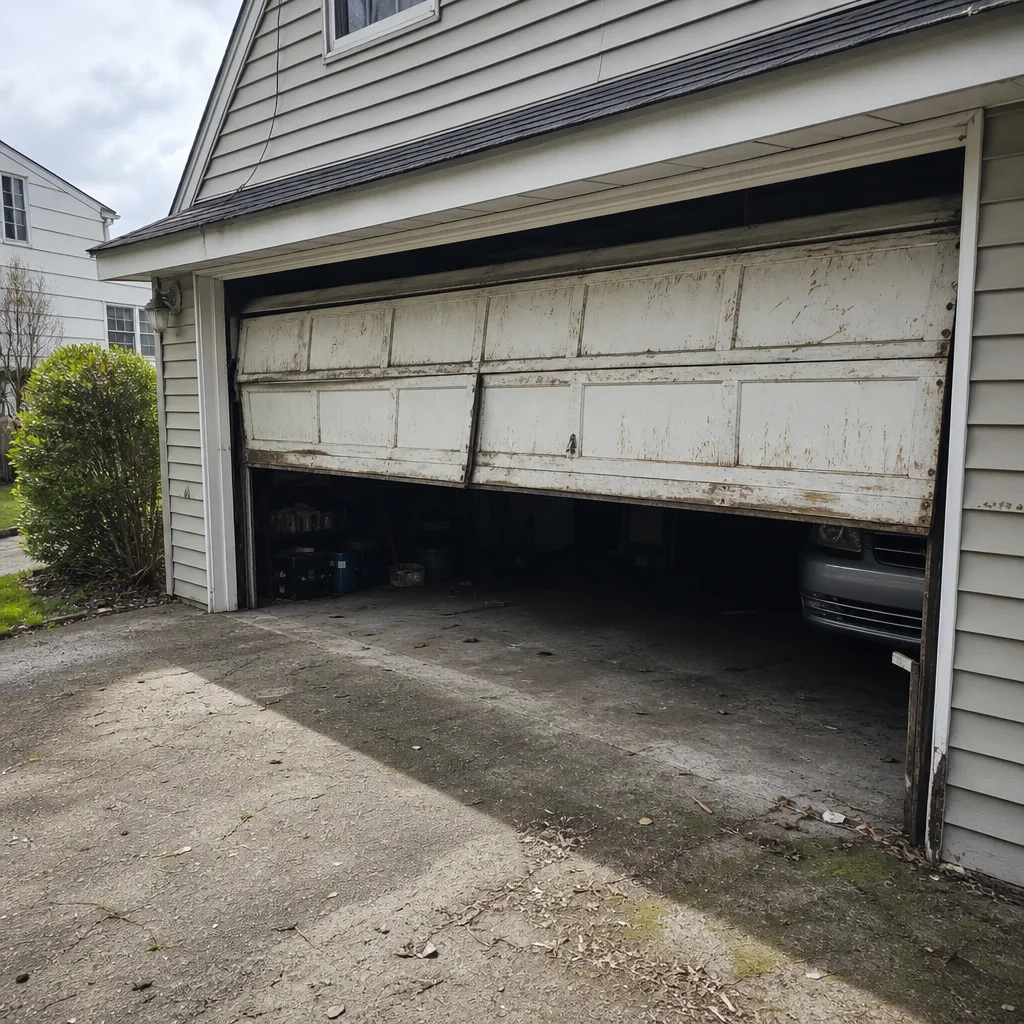 Before
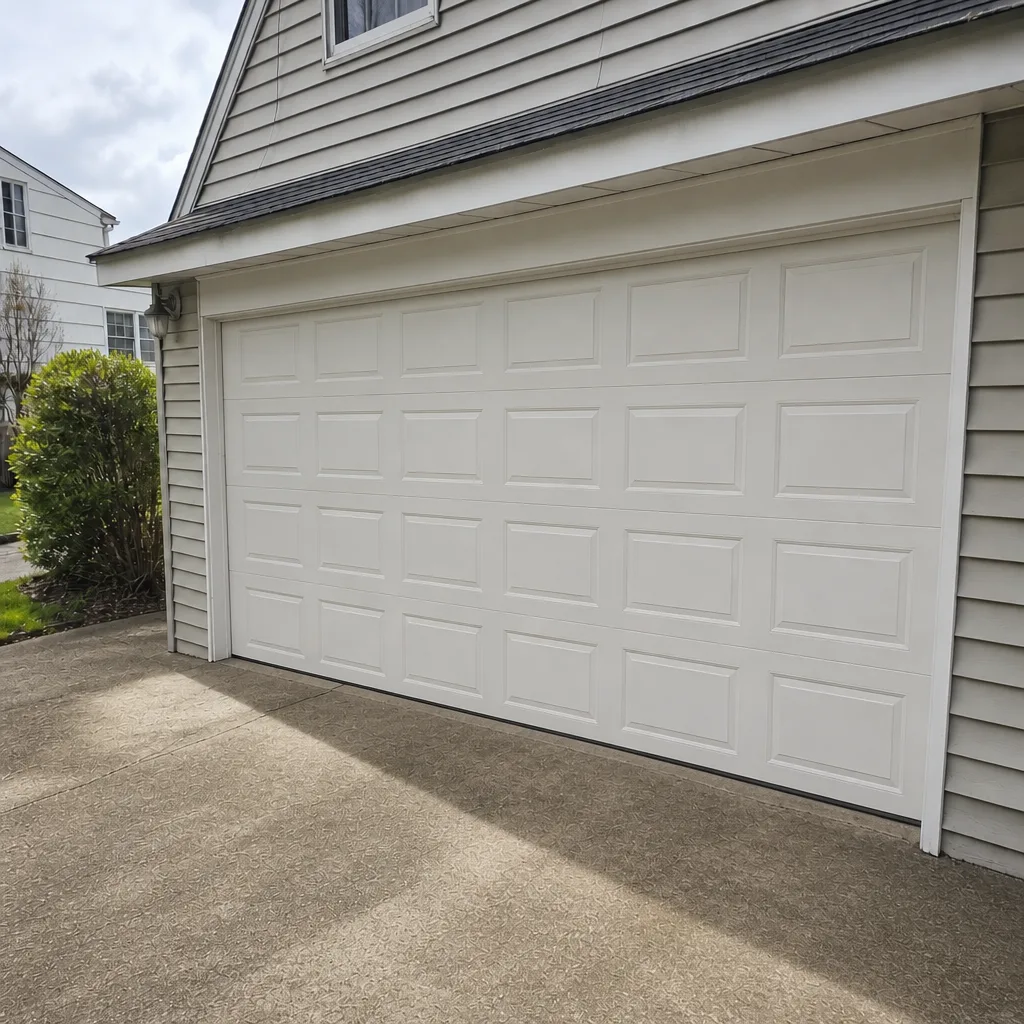 After
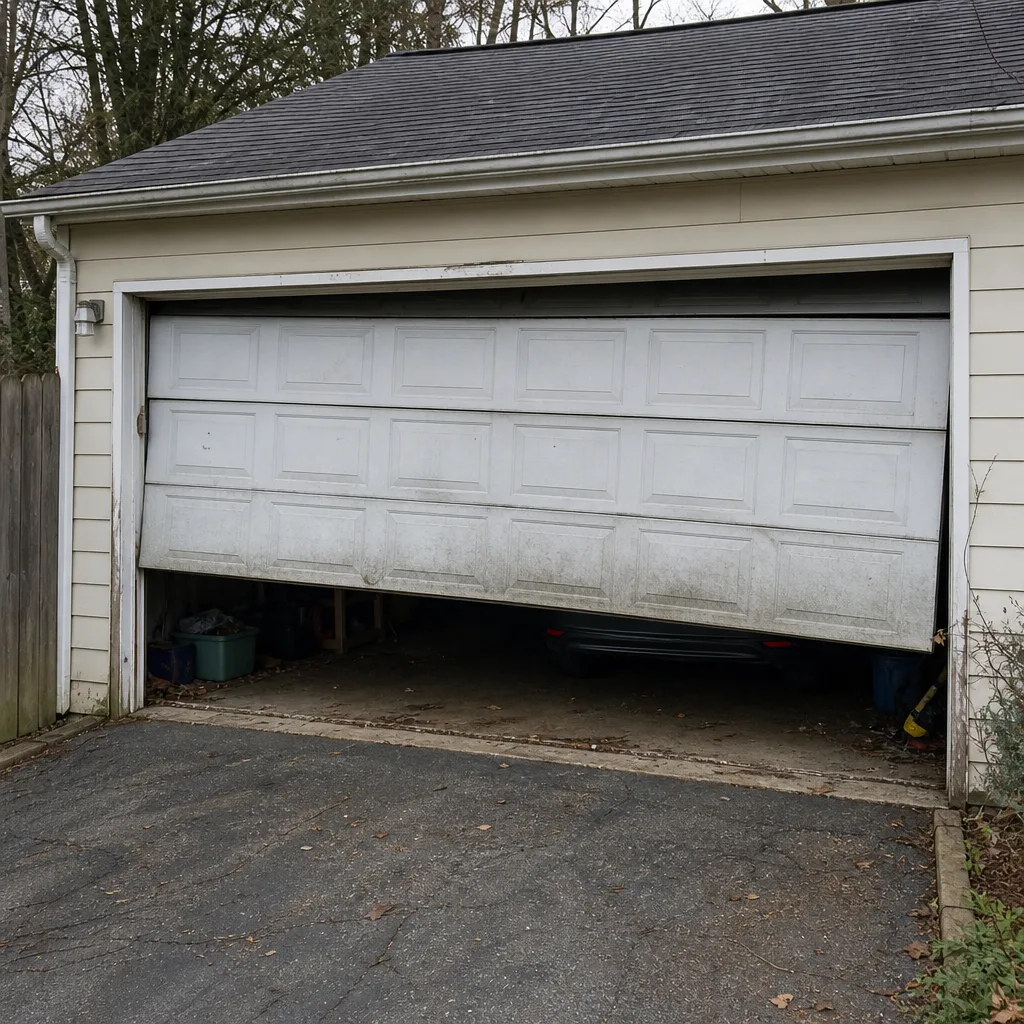 Before
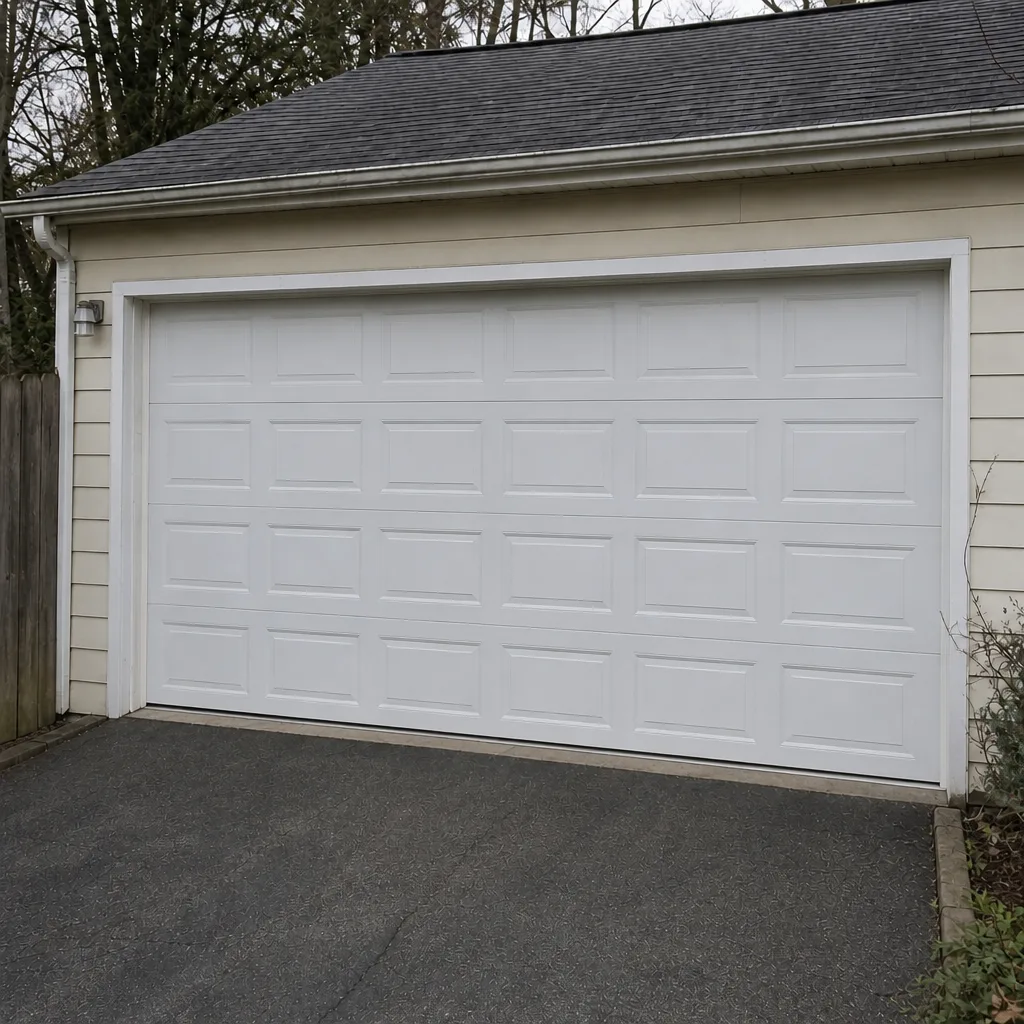 After
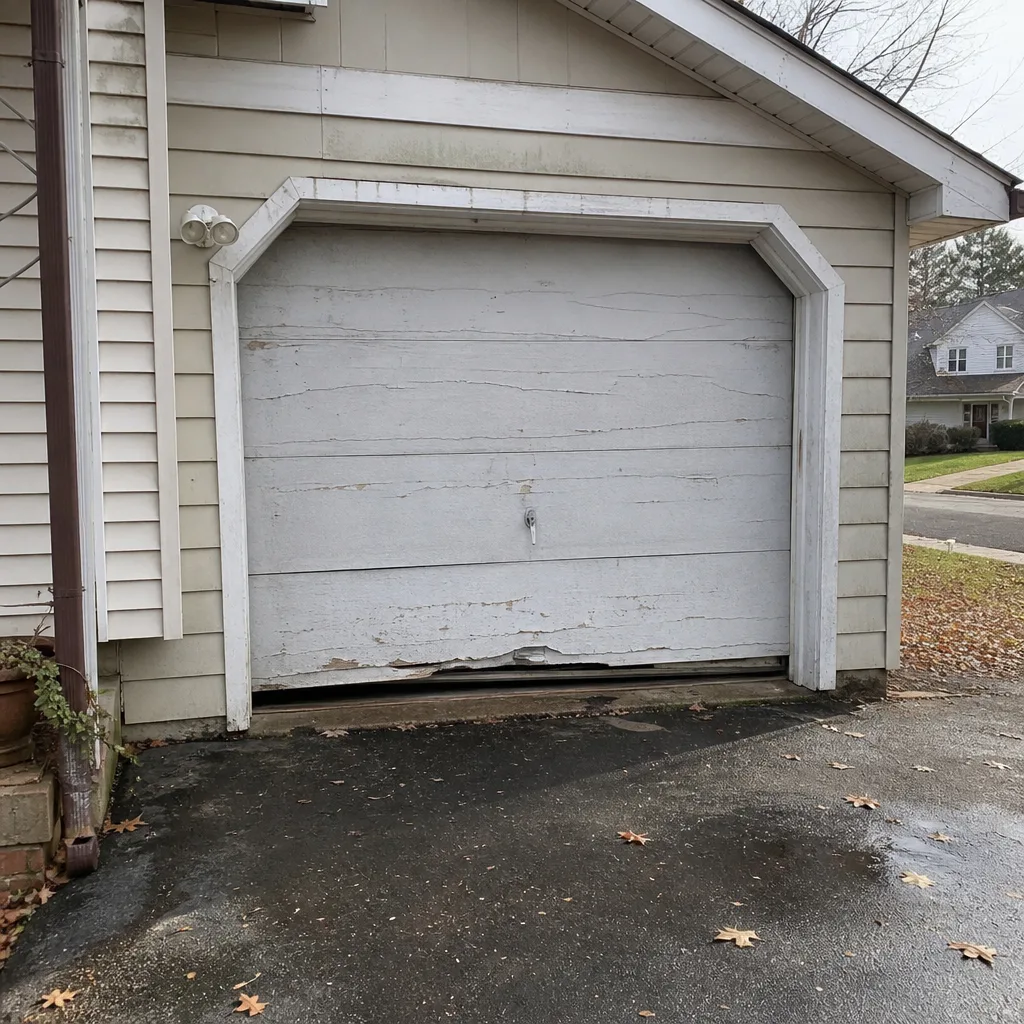 Before
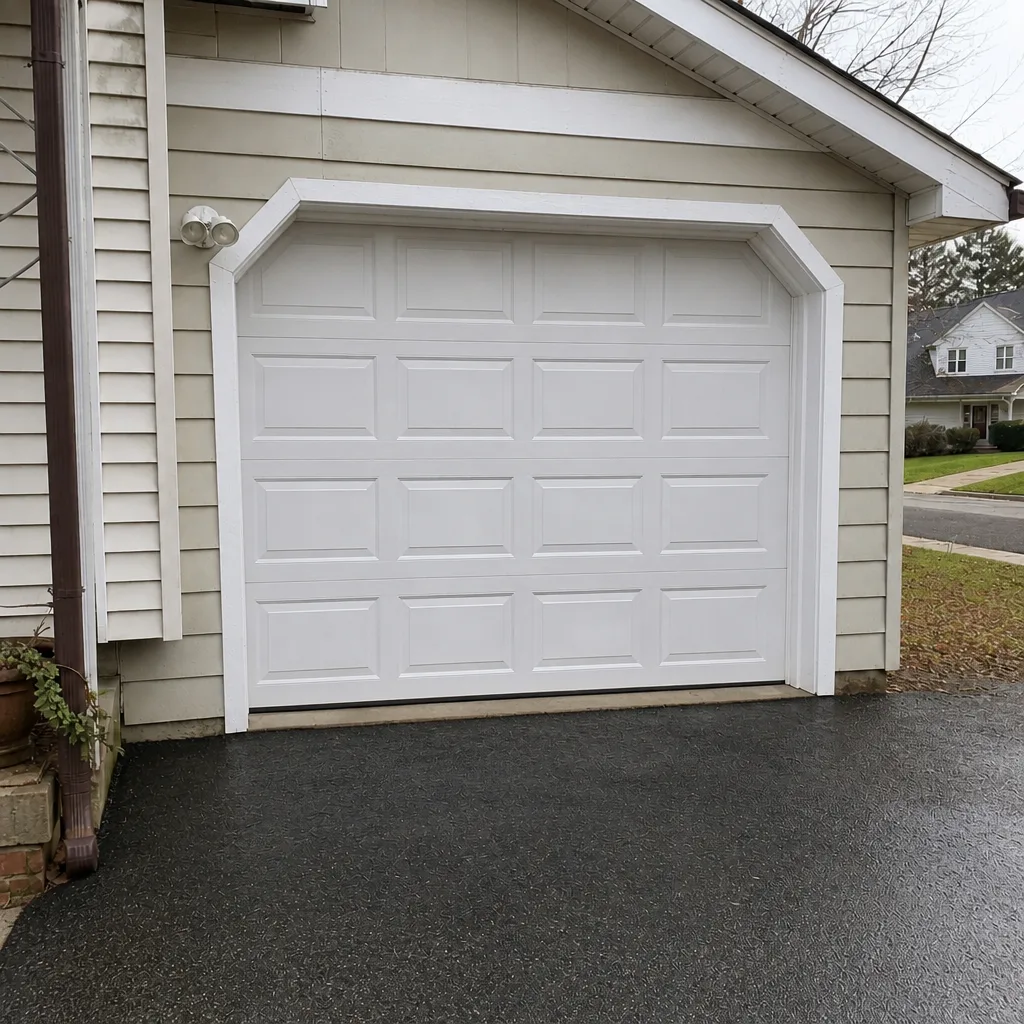 After
When to Call a Professional
Some garage door problems are small enough to sit with for a week. Others need a call today. If your door won’t open or close at all, if you’ve heard a sharp crack from above the door and the door now hangs slack, if a cable has come off its drum, if the door has come off its tracks, or if the opener runs but the door doesn’t move, those are calls for a professional. Never reach up and try to reposition a spring or cable yourself; springs and cables are under high tension and can cause serious injury to anyone without specialized training and tools. A door that only opens halfway, reverses on its own, or makes grinding noises is a slower call but still a call. Parsippany Garage Door Repair Pros offers free estimates in Parsippany, and our technicians have up to 8 years of experience across the whole system: springs, openers, panels, tracks and hardware. Call (866) 643-7636 and we’ll walk through what’s happening and give you a written estimate before any work begins.
Frequently Asked Questions
No, New Jersey does not issue a garage door contractor license. What the state does require is a Home Improvement Contractor (HIC) registration through the Division of Consumer Affairs, which you can verify in the DCA database. Registration is not a technical competency test, so treat it as a first filter and then vet the specialty knowledge separately. Call (866) 643-7636 if you’d like to talk through a specific situation.
Verify their HIC registration and insurance certificate, then ask specifically about spring experience. Those two checks – registration plus spring vetting – cover most of the risk. A contractor who is registered, insured, and can explain the specifics of your spring system is a very different proposition from one who can’t. Estimates are free, so there’s no cost to talking to a specialist.
Springs are rated in cycles rather than years, and a standard residential spring is typically rated for a set cycle count that translates to several years of normal use. Doors that get used heavily, like on a shared driveway or by a family with multiple cars, will cycle more and wear sooner. If your door is getting harder to lift or you’ve heard a snap, call for a diagnostic rather than waiting; a worn spring puts more strain on the opener and can fail without warning.
An opener replacement involves both electrical work and mechanical adjustment, and it’s genuinely not a good DIY project for most homeowners. The safety reverse system, the force settings and the door balance all interact, and getting any of them wrong can leave the door in a dangerous state. If the opener itself has failed, a trained technician should handle the swap and the testing afterward. Our garage door opener repair covers the process from diagnosis to final safety check.
Compare the itemization, not just the number. A quote that’s meaningfully below others but doesn’t specify the spring gauge, doesn’t separate parts from labor, and won’t put a labor warranty in writing is low because it’s missing something. The proper way to evaluate a quote is line by line: what part, what gauge, what labor warranty. Call (866) 643-7636 for a written, itemized estimate to compare against.
Yes, emergency garage door service is a core offering, not an add-on. If your door is stuck open or won’t close, call and we’ll get you booked, including Sundays when needed. The written-estimate rule holds on emergency calls: no work begins without a price you’ve agreed to. Call (866) 643-7636 for a free estimate.
The Bottom Line
Hiring a garage door contractor in Parsippany comes down to three things: verification, specialization and estimate discipline. Verify the HIC registration and insurance in writing. Insist on a specialist, especially for spring work, where the technical requirements and the risk are much higher than a general handyman should be expected to handle. And get everything – parts, labor, warranty, total – in a written estimate before any work starts. Do those three things and you’ve avoided almost every common failure mode in this trade. The rest is brand fluency: knowing the equipment in your garage and servicing it, rather than selling you a new door you don’t need. If you’re ready to talk to someone who works on the brand you already have, that’s what we do. Garage doors only, springs and openers and panels and tracks, the whole system. Call (866) 643-7636 for a free estimate. You can also start with Parsippany Garage Door Repair Pros to see the full scope of what we work on.
Written by the team at Parsippany Garage Door Repair Pros.