Last updated November 23, 2026
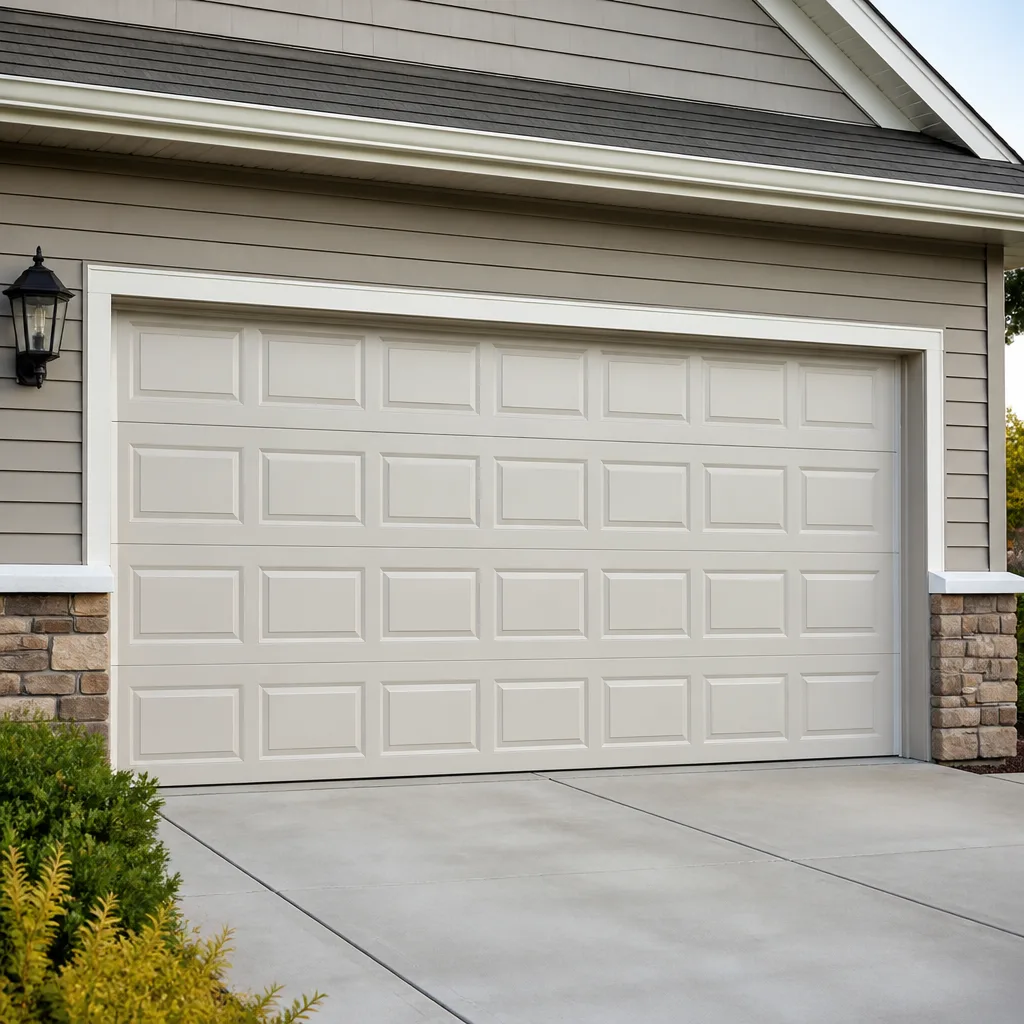 Raised-panel steel
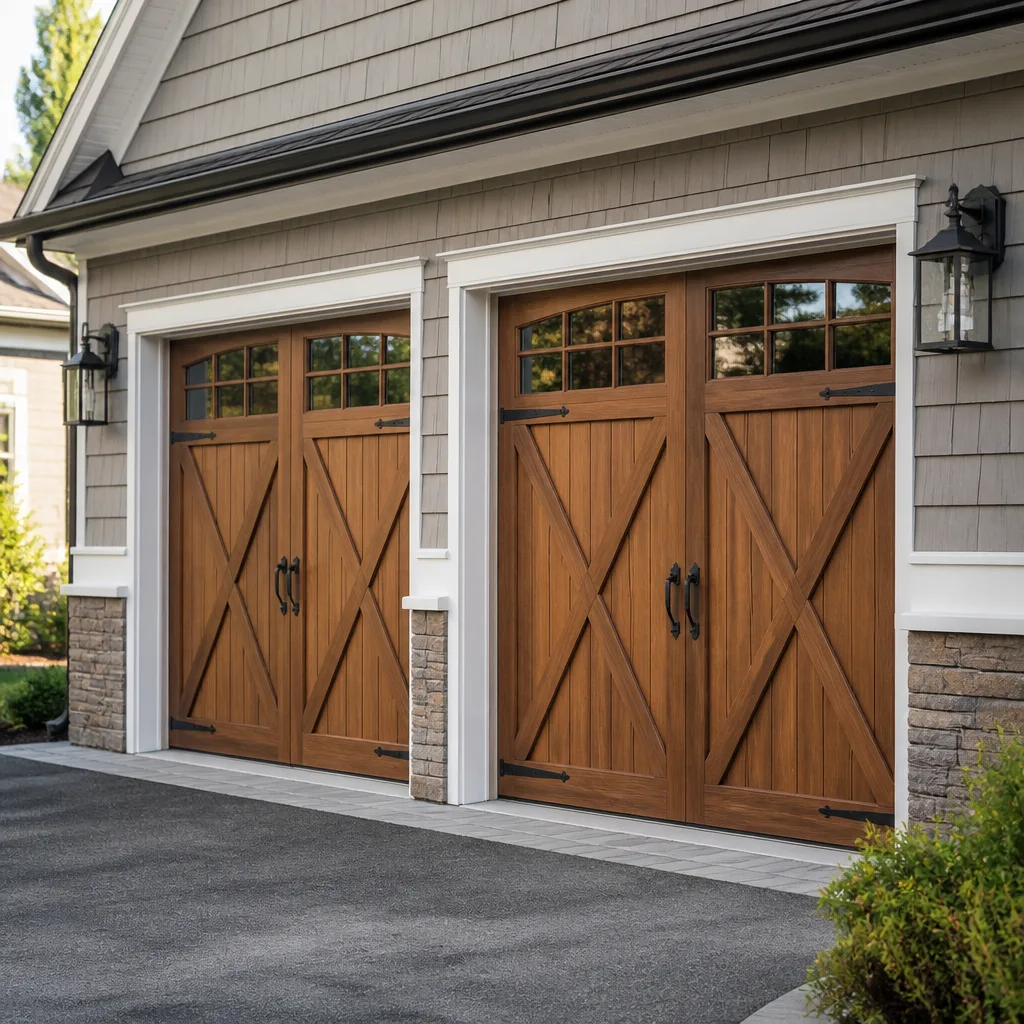 Carriage house
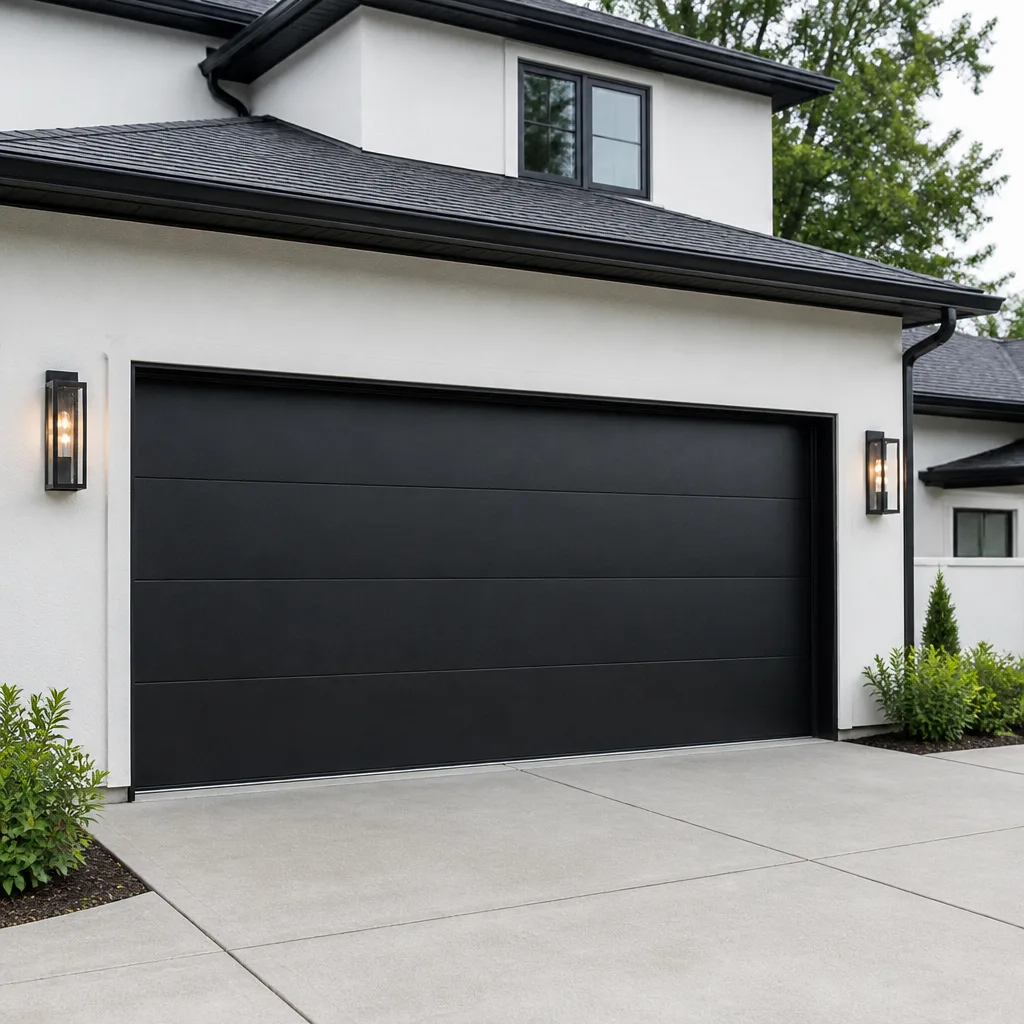 Modern flush
 Full-view glass
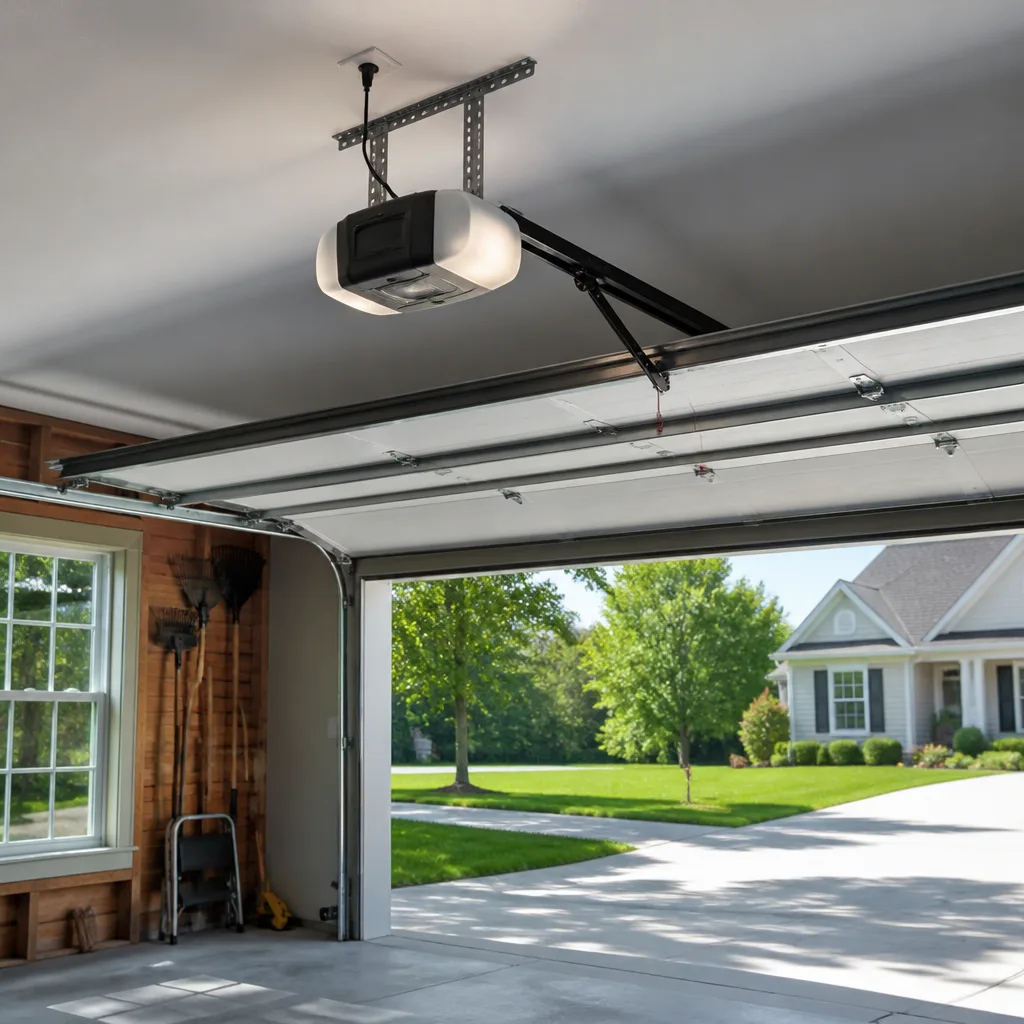 LiftMaster openers
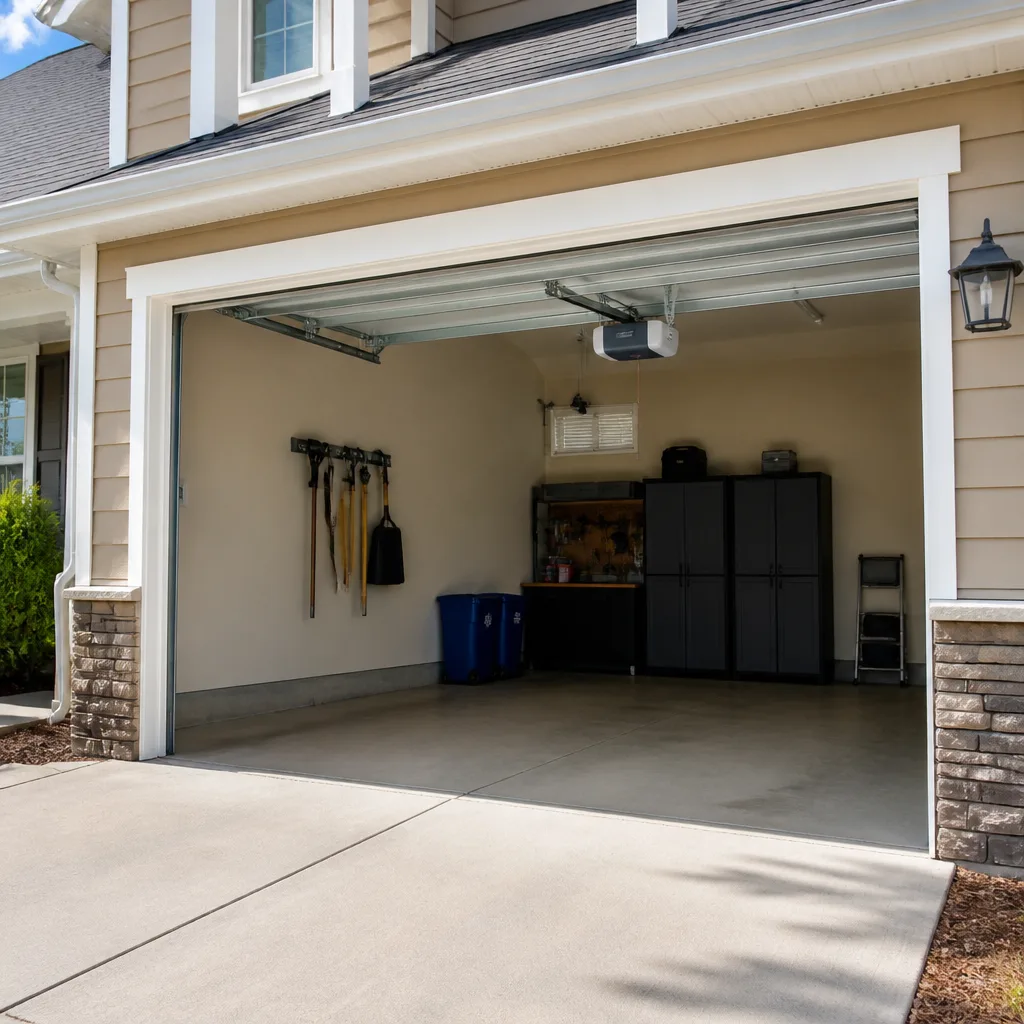 Chamberlain openers
Full 25-point door and opener safety check with every visit - springs, cables, rollers, tracks, and your LiftMaster or Chamberlain opener included
You get a price before we start. It does not change when the pro arrives.
Get your free estimateDIY vs Professional Garage Door: The Parsippany Homeowner’s Decision Guide
Most homeowners who get hurt working on a garage door are not clumsy. They are capable. They’ve replaced a water heater, re-wired a light fixture, and rebuilt a deck, and they approach a garage door assuming it’s the same kind of task. It isn’t. A torsion spring on a standard residential door holds enough stored energy to throw a grown adult across a garage, and that energy stays loaded even when the door is closed and the power is off. This guide isn’t here to scare you away from touching your door at all. It’s here to draw the line precisely: which garage door tasks you can safely handle yourself in Parsippany, which ones you shouldn’t touch no matter how handy you are, and what the money actually looks like on each side of that line.
Quick Answer
Lubrication, weather seal replacement, remote reprogramming, and safety sensor alignment are genuinely safe DIY garage door tasks. Spring replacement, cable replacement, track realignment, and opener electrical wiring are not, regardless of your skill level, because those components store or transmit force that can injure or kill when it releases unexpectedly. Everything in between comes down to tools, time, and whether the work risks your manufacturer warranty.
Table of Contents
- Why Garage Door Work Is Different From Other Home Repairs
- DIY-Safe Tasks: What You Can Handle Yourself
- Professional-Only Tasks: What You Should Never Touch
- The Stored Energy Calculation That Changes Everything
- When DIY Saves Money and When It Doesn’t
- How DIY Work Voids Manufacturer Warranties
- How to Diagnose Your Own Door Safely Before You Call Anyone
- Parsippany Climate, Housing, and Garage Door Wear
Why Garage Door Work Is Different From Other Home Repairs
Garage doors are the only moving system in a typical house that stores mechanical energy at rest. A furnace fires and stops. A refrigerator compressor cycles. A garage door’s torsion spring stays wound, under load, every second of every day, holding hundreds of pounds of door weight in suspension. When you disconnect a spring from that load, the energy doesn’t dissipate politely. It releases into whatever is in its path, including the wrench in your hand.
That’s the core difference between garage door work and plumbing, electrical, or carpentry. A leaky pipe gets you wet. A miswired outlet trips a breaker. A torsion spring that lets go can break a wrist, a jaw, or worse. We’ve seen every spring snap and opener fail there is to see, and the pattern is consistent: the injuries we’re called about afterward almost always involve someone who was competent enough to get partway into the job.
Parsippany’s housing stock makes this more relevant than it might sound. Much of the township is older subdivision construction, with garages that have been through decades of freeze-thaw cycles. Springs that have cycled tens of thousands of times don’t look dangerous. They look like coiled steel. That’s part of what makes them so easy to misjudge.
There’s a second factor most guides skip: garage doors are a system, not a part. Springs, cables, tracks, rollers, hinges, panels, and the opener all have to work in balance. When you adjust one component without understanding the load it shares with the others, the strain shifts somewhere else. That’s often why a door that “worked fine” after a DIY adjustment fails a month later.
DIY-Safe Tasks: What You Can Handle Yourself
Here’s the good news: plenty of garage door maintenance is fully within reach for a homeowner with basic tools and an hour to spare. These tasks don’t put you near stored energy, don’t require specialized equipment, and don’t hazard your manufacturer warranty when done per the owner’s manual.
1. Lubrication
Every metal-on-metal contact point on your door benefits from periodic lubrication: hinges, rollers (the shafts, not the tires), bearing plates, and the spring itself. Use a garage-door-rated lubricant, not WD-40, which is a solvent, not a lubricant. Wipe excess off so it doesn’t attract grit. This is a fifteen-minute task and it’s the single best thing you can do to extend the life of your hardware. A squealing door in Parsippany is usually a dry one, not a failing one.
2. Weather Seal Replacement
The rubber astragal seal at the bottom of the door and the trim seal around the perimeter are designed to be replaced. A new bottom seal slides out of the bottom bracket and slides back in, and it’s a genuine difference-maker on a door that’s leaking cold air in winter or letting in water in spring. No tools required beyond a utility knife to trim to length.
3. Remote Reprogramming
Lost a remote? Bought a new one? On LiftMaster, Chamberlain, and Genie openers (and most others), pairing a remote is a documented press-and-hold sequence printed in the manual. It’s the safest opener task there is because you’re working at the wall unit, not the door itself. If you have a Clopay door with a newer opener, a mismatch between opener brand and door weight rating is worth a phone call, but re-pairing a remote isn’t.
4. Safety Sensor Alignment
The two small lenses near the floor on either side of the door are the photo-eye safety system. If your door reverses immediately after starting to close, or won’t close at all, the sensor is the first thing to check. Confirm both lenses are lit (usually a steady LED on each), wipe them clean, and make sure the brackets are pointed at each other. Sand or gravel kicked by tires can shift a bracket by a fraction and break the beam. Realigning is safe and easy.
5. Cleaning and Visual Inspection
Twice a year, run a rag along your door panels and look for what’s changing. Rust spots at panel seams, a sagging panel, a frayed cable, a roller that has popped out of its track. You’re not fixing anything with this inspection. You’re learning what’s normal so you can recognize when it isn’t.
Professional-Only Tasks: What You Should Never Touch
If you remember nothing else from this guide, remember this list. These four jobs are not about skill. They are about the physical force involved and the training required to handle it.
1. Torsion Spring Replacement
A torsion spring, the horizontal one mounted to the wall above the door, is tensioned to counterbalance the full weight of the door. Replacing one requires winding bars, the correct spring size for your door’s weight, and a specific number of turns (commonly referred to as “winding” the spring) that must be right on the first attempt. An error under load isn’t a mistake you correct midway. We specialize in spring repair precisely because it’s a job most handy homeowners and many general handymen rightly decline. See our garage door spring repair page for the full scope of what the job involves.
2. Cable Replacement
Cables run from the bottom bracket of the door up to the drum on the spring shaft, under considerable tension. A cable under load that fails or is improperly released can whip across a garage fast enough to do serious damage. Never touch a cable that’s frayed, kinked, or hung up on a drum.
3. Track Realignment
A bent track can be adjusted by a homeowner with a rubber mallet and good intentions, but here’s the problem: tracks are aligned to a tolerance that keeps the door traveling in a straight line with equal load on both sides. Tweaking one section of track on a door that’s out of level often makes the problem worse. If a car has bumped a track, or the door is binding on one side, stop and get it evaluated before you bend anything back.
4. Opener Wiring and Electrical Connection
Low-voltage control wiring for the wall button, safety sensors, and safety reverse beam is one thing. The 120-volt line running from your home’s electrical panel to the opener’s ceiling outlet is another, and it’s not something to learn on. Even a code-compliant opener installation is an electrical job, and the wiring in your panel is live. We handle opener repair and diagnostics as a core service, and our garage door opener repair page covers the specific symptoms that point to opener problems versus door problems.
The Stored Energy Calculation That Changes Everything
Here’s the number the industry tends to gloss over. A standard residential torsion spring for a seven-foot-high door carrying roughly 150 pounds of door weight typically has to lift about half that load, because the spring is counterbalancing the door’s weight. In practical terms, most standard single-car garage doors use a torsion spring rated in the range of a hundred foot-pounds of torque.
Now translate that torque to the wound spring itself. A torsion spring that’s been wound a typical number of turns (usually eight to ten full quarter-turns for a seven-foot door, depending on the spring’s wire diameter and inside diameter) stores energy across its entire length, invisible under the paint. When the spring breaks or a homeowner releases it under load, that stored torque converts instantly to rotational motion. The wound spring releases potential energy in a fraction of a second. An adult’s forearm is not built to stop it.
That’s why this isn’t a liability disclaimer, even though it sounds like one. It’s the reason a garage door spring repair technician uses two winding bars and carefully engineered steps instead of a socket wrench. It’s also why we carry spring repair capability as a dedicated specialty here rather than farming it out. If you want to understand garage door repair in any real sense, understanding the spring is the starting point.
There’s a second energy source worth understanding: the door itself. A 150-pound door that’s dropped or hung up on one side can swing or slam with enough force to injure a hand or a foot, even if you never touch a spring. Once you understand the system is storing energy, you stop treating it as a static object.
When DIY Saves Money and When It Doesn’t
Cost comparisons on garage door work are usually written by companies trying to steer you toward a call. We’re not going to do that. The honest answer is that DIY clearly saves money on the safe tasks and clearly doesn’t save money on the professional-only tasks. Here’s how it breaks down.
| Task | DIY Verdict | What’s Involved |
|---|---|---|
| Lubrication | Clear savings | A can of garage-door lubricant and fifteen minutes. Tool cost is a one-time expense that lasts years. |
| Weather seal replacement | Clear savings | The seal and a utility knife. The only skill required is cutting to length. |
| Remote reprogramming | Clear savings | No tool cost. The manual and a few minutes. |
| Safety sensor alignment | Clear savings | Usually just a wipe-down and a bracket nudge by hand. |
| Torsion spring replacement | No savings, real risk | Requires winding bars, correct spring matching to door weight, and the training to handle stored torque safely. Not a job for a homeowner, regardless of tools. |
| Cable replacement | No savings, real risk | Cables are under tension from the drum and spring. A cable under load is not a DIY part swap. |
| Track realignment | Risky savings | Often attempted DIY, often made worse. Alignment tolerance is tighter than it looks. |
| Opener electrical wiring | No savings, real risk | High-voltage panel work. Ask your city’s building department about permit requirements before any panel or circuit work. |
There’s a tool-cost reality most DIY guides skip. Lubrication tools are cheap. But the specialty tools for a spring job (two winding bars, calibrated cable cutters, a laser level for track alignment) cost more than the labor for a single spring repair, and most homeowners never use them again. The economics only work if the tool investment is a one-time thing you’ll reuse. For safe tasks, that’s true. For spring or cable work, you’re buying tools for a job you’ll never do again, and the manufacturer warranty doesn’t cover a homeowner-failed repair.
The other hidden cost of DIY on the risky tasks: a failed attempt often converts a straightforward garage door repair call into a more involved repair once the door has been left half-tensioned or half-tracked. That’s not a scare tactic. It’s the most common outcome we see on a DIY-to-professional handoff. Call (866) 643-7636 for a free estimate on any spring, cable, or track work before you touch it.
How DIY Work Voids Manufacturer Warranties
Here’s a practical consideration that rarely comes up until it’s too late. Most residential garage door and opener manufacturers include language in their written warranty that ties coverage to proper installation, adjustment, and maintenance. The exact language varies by brand and by door model, but the structure is consistent across the industry.
What to look for in your warranty document:
- Installation and adjustment requirements. Warranty language typically requires that springs, cables, and openers be installed and adjusted by a qualified technician. Homeowner adjustments that alter the tension or alignment of those components may fall outside coverage.
- Modification and alteration clauses. Most warranties exclude damage caused by alterations or repairs not performed according to the manufacturer’s installation instructions. This is the clause that most often comes up after a homeowner attempt.
- Non-covered damage. Most manufacturer warranties exclude damage from outside causes (impact, weather, improper use), which can include damage caused by a homeowner repair attempt.
- Length of coverage. Spring warranties on some doors are shorter than the door panel warranty. Read the spring clause specifically, not just the general door clause.
- Required maintenance. Some warranties require documented annual maintenance. Homeowner lubrication and inspection support that. Homeowner spring work usually doesn’t.
The practical takeaway: if you’re within a manufacturer warranty period on a new door or a recent opener installation, keep every receipt and let a professional handle anything beyond the safe list. It’s not that we’re working for the manufacturer. It’s that we’ve seen homeowners give up coverage they didn’t realize they had, on a door that was still under factory warranty. If you’re uncertain what your Clopay or Chamberlain warranty covers, our Parsippany garage door repair pros can look at the paperwork alongside the actual door.
How to Diagnose Your Own Door Safely Before You Call Anyone
Before you call anyone, there’s a short, safe diagnostic sequence you can run to understand what’s happening. It doesn’t require tools and it doesn’t touch any components under load.
- Stand back and look. Does the door look level across the top? A gap on one side means a cable or track problem. Even gaps mean it’s likely an opener or balance issue.
- Pull the release cord (only while the door is fully closed). The manual release disconnects the door from the opener. With the door detached, lift it by hand about a foot. If it takes real effort, springs are failing or out of balance. If it lifts easily, springs are doing their job.
- Test the door’s balance. With the door connected back to the opener, raise it to about halfway and stop the cycle. A balanced door should hold near its position or drift slowly down. A door that drops fast is out of balance and shouldn’t be operated until it’s checked.
- Listen. Grinding, squealing, or clicking sounds that change during the cycle point to rollers, hinges, or drums. A single loud noise that preceded the failure is usually a spring or cable.
- Watch the photo-eye lights. If either is off or blinking during a close cycle, that’s a sensor issue, not a door issue.
- Never touch a tensioned spring or cable. A frayed cable, a spring with a visible gap or a broken end, or a drum that’s unwound is a stop signal. Turn off the opener’s power switch or unplug the unit at the ceiling outlet if you can do so safely, and call.
This diagnostic is the difference between a homeowner who calls with a clear description (“the door is heavy on the left and the cable is loose”) and one who calls with a vague problem. The first call is faster to resolve. In our experience, that matters more than people expect.
Parsippany Climate, Housing, and Garage Door Wear
Parsippany winters are the reason garage door hardware in Morris County gets a workout. Temperatures that swing above and below freezing throughout December and January cause metal hardware to contract and expand repeatedly. Springs, cables, and hinges that would have lasted another year or two in a milder climate fail sooner here. The piston of a torsion spring that’s cycled through several thousand seasonal freeze-thaw cycles has been fatigued by the cold more than by sheer usage.
What does that mean for you? A few things worth knowing as a Parsippany homeowner or small-property landlord:
- Springs fail more often in cold snaps. The most common time for a torsion spring to snap is the first few deep cold mornings of the winter. There’s nothing you did wrong. The spring failed under its load because the metal was fatigued and brittle.
- Weather seals take a beating. The bottom astragal seal takes the worst of it. Parsippany’s freeze-thaw pattern causes rubber seals to harden and crack faster than in milder spots.
- Older subdivision garages often have original hardware. Many Parsippany homes built in the mid-to-late 20th century still have their original opener or spring hardware. Springs and openers near the end of their service life are more likely to fail on a cold morning.
- Rain and snowmelt around the threshold matter. If your garage floor takes on water during heavy rain or snowmelt, your bottom seal and door trim are catching the damage first. Check after storms.
The upside is that Parsippany has no shortage of reliable local options for the professional-only tasks. If a spring snaps on a cold Wednesday in the Lake Parsippany area or on a rainy Thursday in Mount Tabor, we handle emergency garage door service beyond standard business-hour appointments. When your door won’t move, we will.
Styles & brands we work with
- Raised-panel steel
- Carriage house
- Modern flush
- Full-view glass
- LiftMaster openers
- Chamberlain openers
Common Mistakes to Avoid
- Trying to “adjust” a torsion spring to fix a heavy door. The correct fix for a heavy door is measuring the actual door weight and matching the spring to it, not turning the spring a quarter-turn more. Wrong tension makes the spring fail sooner or the door out of balance.
- Using the wrong lubricant. WD-40 is a solvent, not a garage door lubricant. It displaces grease and can leave hinges drier than they started. Grab a garage-door-specific lubricant instead.
- Pulling a track back into line by hand or with a mallet without checking the door’s level first. A track that’s off-level causes the door to bind, and that binding accelerates wear on the opener gear and rollers. Fix the level, not the symptom.
- Bypassing a safety sensor to get the door to close. Taping over a sensor or tying it up with a zip tie is a temporary fix that disables a safety system on a door that weighs more than you do. It’s one of the most common things we undo on a first visit.
- Ignoring a single loud snap or bang from the door. When a spring breaks, it usually makes a sudden loud noise followed by a door that won’t open by opener. Don’t force the door. That’s the moment to shut off the opener.
- Paying for a replacement when a repair does the job. Plenty of doors get replaced that only needed a spring, cable, or opener repair. We diagnose first and recommend replacement only when necessary, and a free estimate is the cheap way to find out which one you’re facing.
- Letting a warranty window close while DIY work sits unfinished. A door that’s been half-adjusted or a spring that’s been handled partway into a job is often harder to put back together properly, and it’s often outside a manufacturer’s coverage by the time a professional is called.
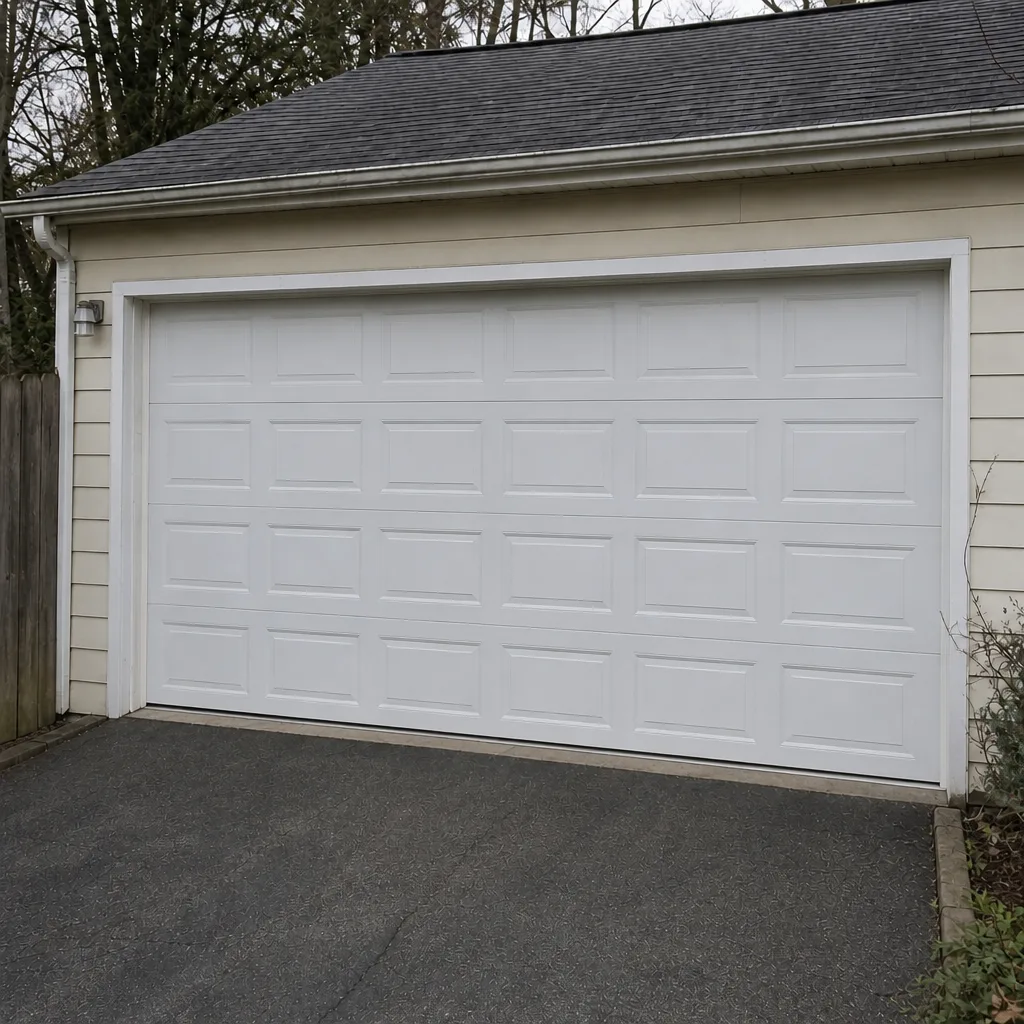
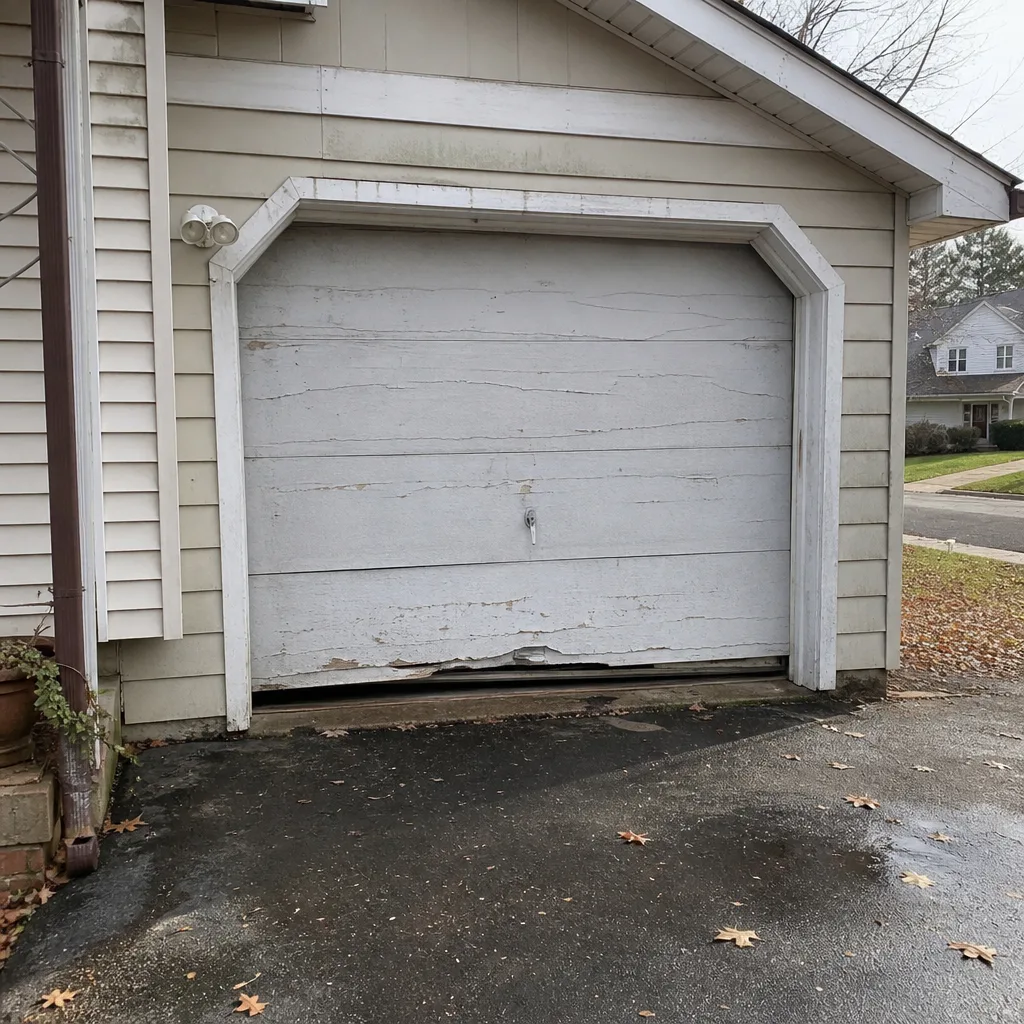
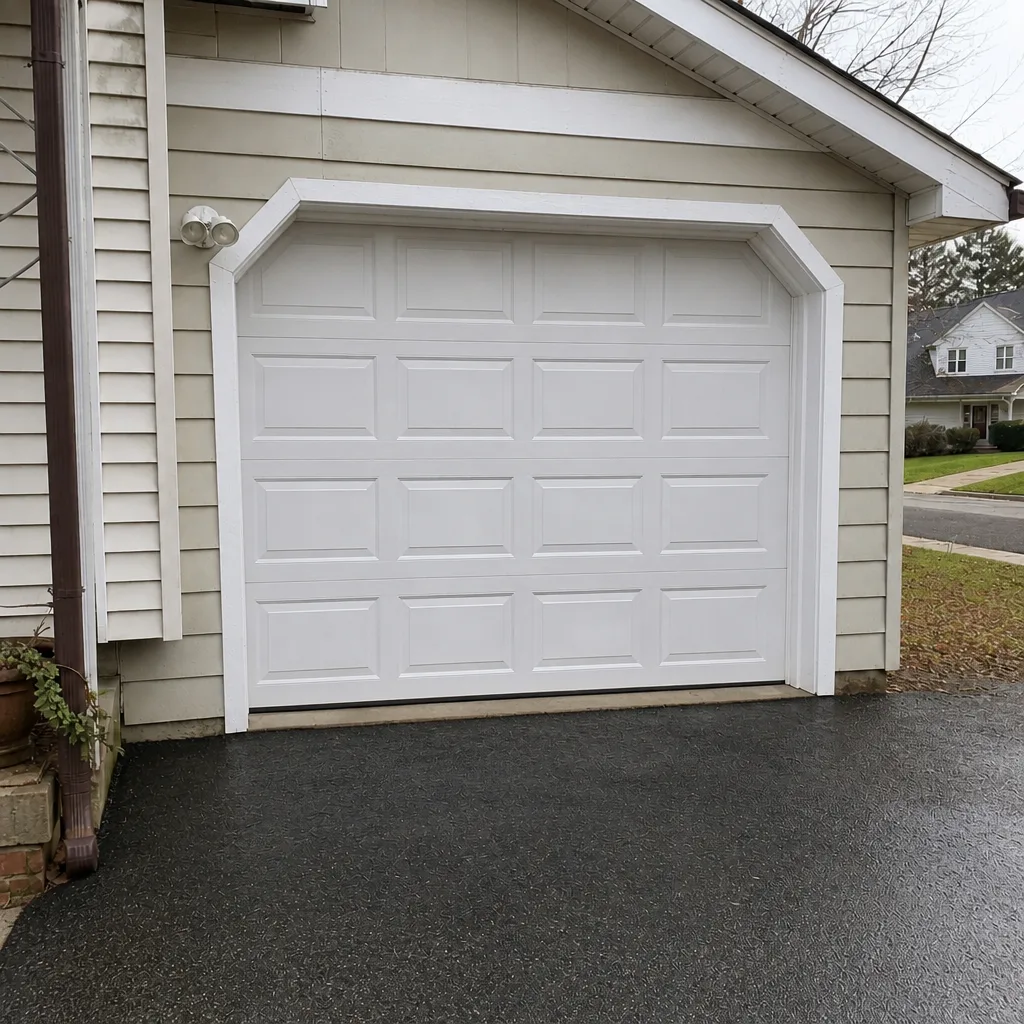
See the difference
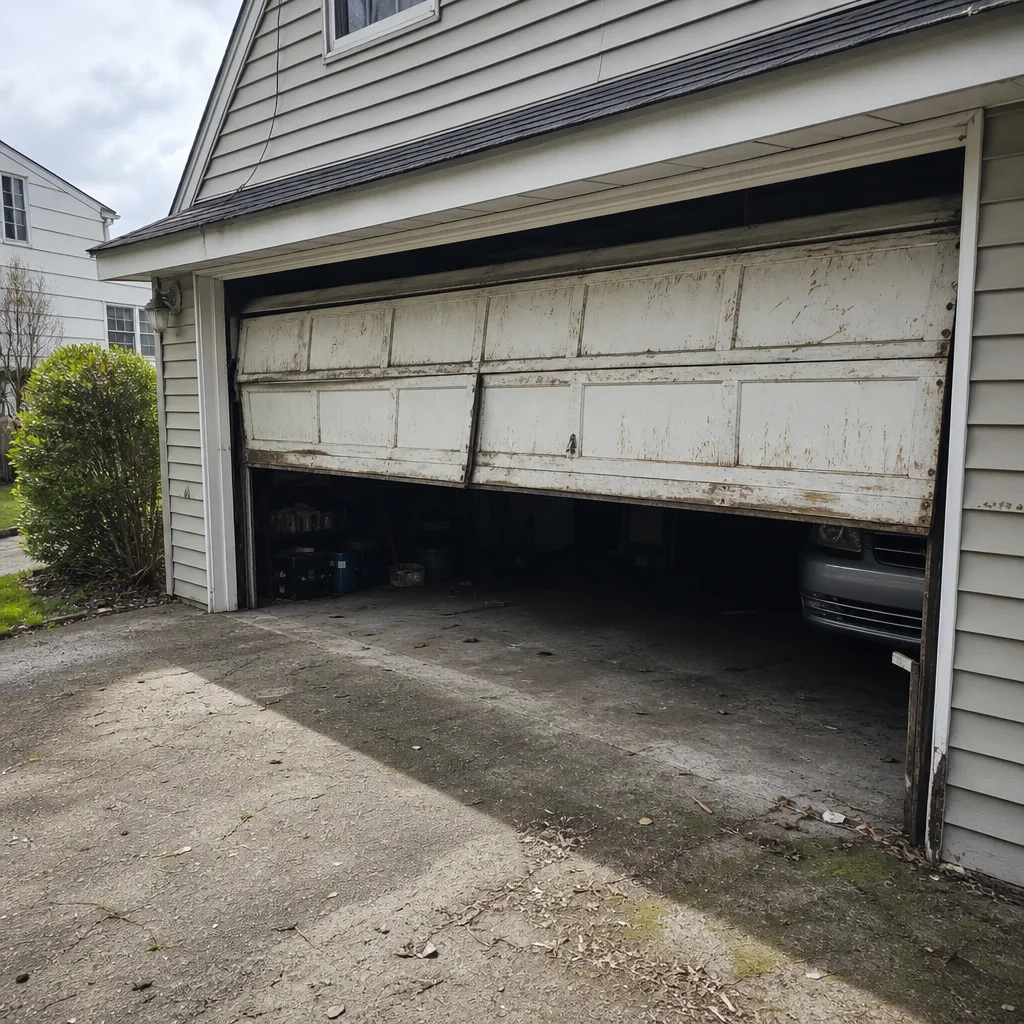 Before
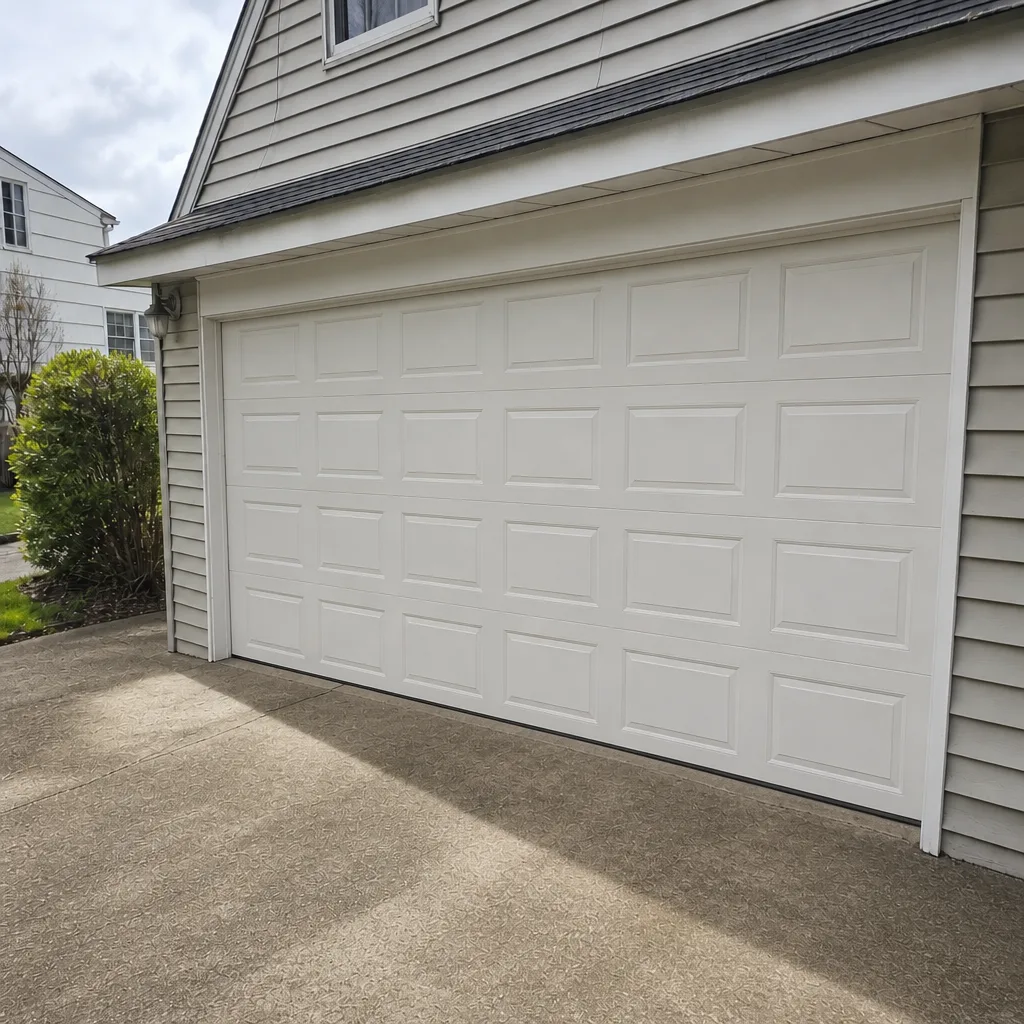 After
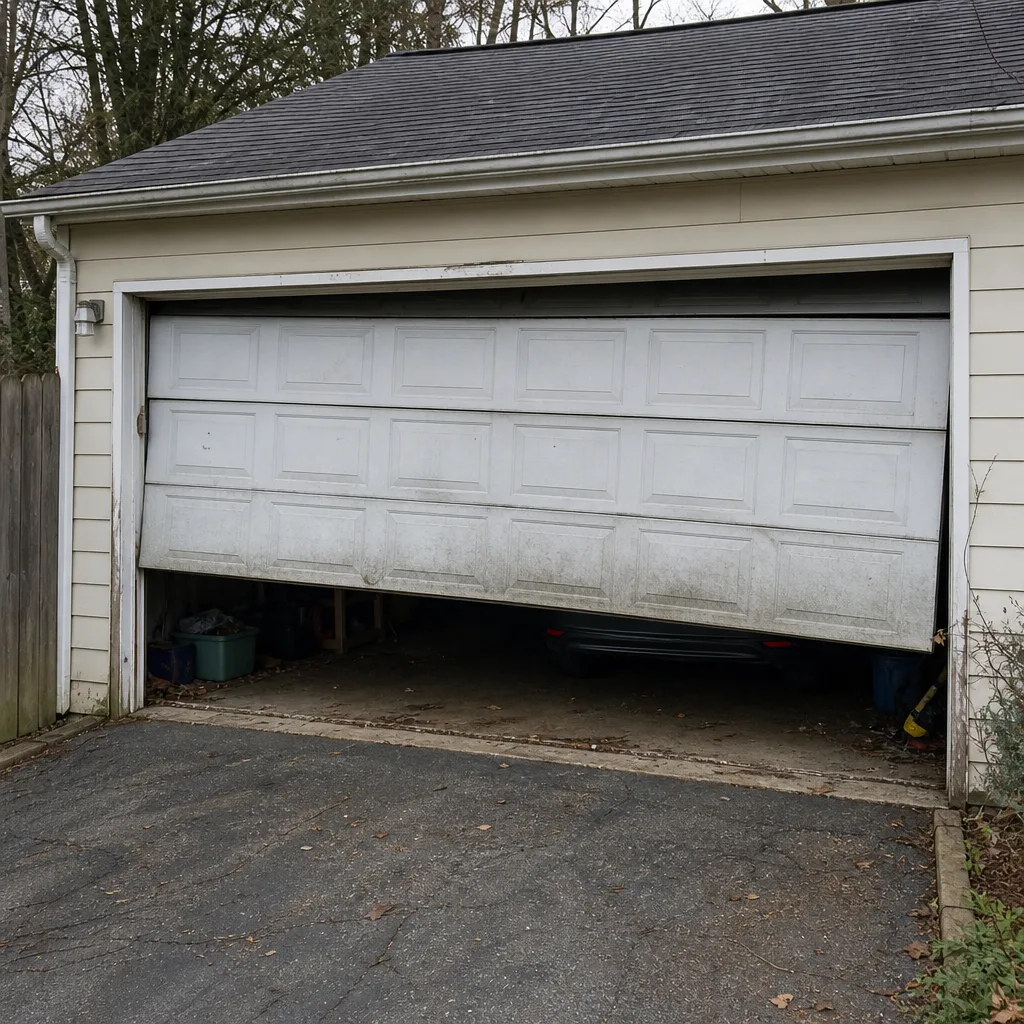 Before
 After
 Before
 After
When to Call a Professional
Call us the same day if you have any of these:
- A door that won’t open or close under its own power.
- A visible gap, broken end, or snapped coil on the torsion spring above the door.
- A cable that’s frayed, kinked, hanging off a drum, or looks stretched.
- A door that’s left or right-heavy during the manual lift test.
- A loud noise that preceded a door that suddenly stopped working.
- An opener that runs but doesn’t move the door, or a door that moves when the opener doesn’t.
- Any wiring issue at the opener or the wall panel.
For any of those, don’t force the door. Shut the power off at the opener and call (866) 643-7636. Parsippany Garage Door Repair Pros offers free estimates in Parsippany and handles spring, opener, cable, and door repairs as a garage-door-only service. We’re reachable for emergency garage door service outside standard business-hour appointments, including early mornings and Sundays.
Frequently Asked Questions
No. A torsion spring stores enough torque to cause severe injury or death if released under load, and replacing one requires winding bars, correct spring sizing for your door’s weight, and training in how to release the tension safely. Spring replacement is a professional job regardless of your skill level. Call (866) 643-7636 to schedule a spring evaluation, and estimates are free.
Small visual checks are safe, but realignment isn’t a homeowner task. The tolerance between track and roller is tighter than it looks, and a door that’s out of level puts uneven load on the spring and opener. If your track is bent or the door is binding, get it evaluated. Estimates are free at (866) 643-7636.
Spring repair is usually quoted per spring, and a matched pair is normally replaced together for balance. We give a written range before any work starts, based on the door’s weight and spring size. Call (866) 643-7636 for an exact quote, and the price is quoted and agreed before any work starts.
We accept emergency garage door calls outside standard business-hour appointments, so a same-day visit is often possible. If your door won’t move, shut off the opener first and call (866) 643-7636. Don’t force the door open or closed.
It can. Most manufacturers require that springs, cables, and openers be installed and adjusted by a qualified technician, and the warranty language typically excludes damage from alterations or repairs that fall outside the installation instructions. Check the specific spring and opener clauses in your warranty document. Call (866) 643-7636 if you’re unsure what your Clopay or Chamberlain coverage requires.
Yes. The local pro we connect you with is licensed and insured as New Jersey requires. Our technicians have up to 8 years of experience, and we work on all major residential brands, including LiftMaster, Chamberlain, Genie, and Clopay, so there’s no compatibility gap with the door you already own. Call (866) 643-7636 to confirm details on your system before scheduling.
The Bottom Line
DIY vs. professional garage door work isn’t really a question about how handy you are. It’s a question about which tasks put you near stored energy and which don’t. Lubrication, weather seals, remote reprogramming, and sensor alignment are safe, cheap, and genuinely worth doing yourself. Spring replacement, cable replacement, track realignment, and opener wiring are professional-only because the force involved will not give you a second chance. On top of the physical risk, DIY work on the wrong component can cost you your manufacturer warranty and often turns a simple repair into a bigger one. If you’re unsure which side of the line your problem is on, a free estimate costs nothing and a broken wrist costs a lot. Call Parsippany Garage Door Repair Pros at (866) 643-7636 for a free estimate on any garage door issue in Parsippany.
Written by the team at Parsippany Garage Door Repair Pros.