Last updated November 23, 2026
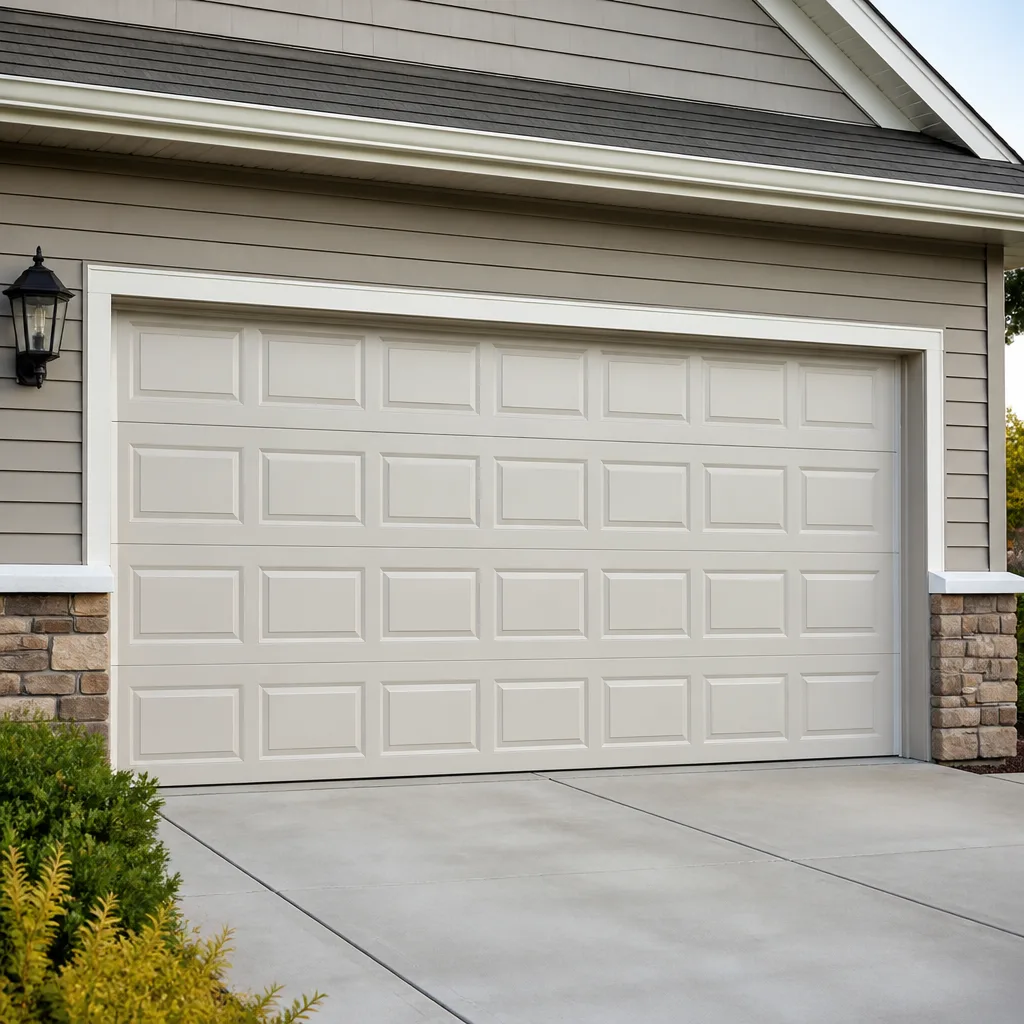 Raised-panel steel
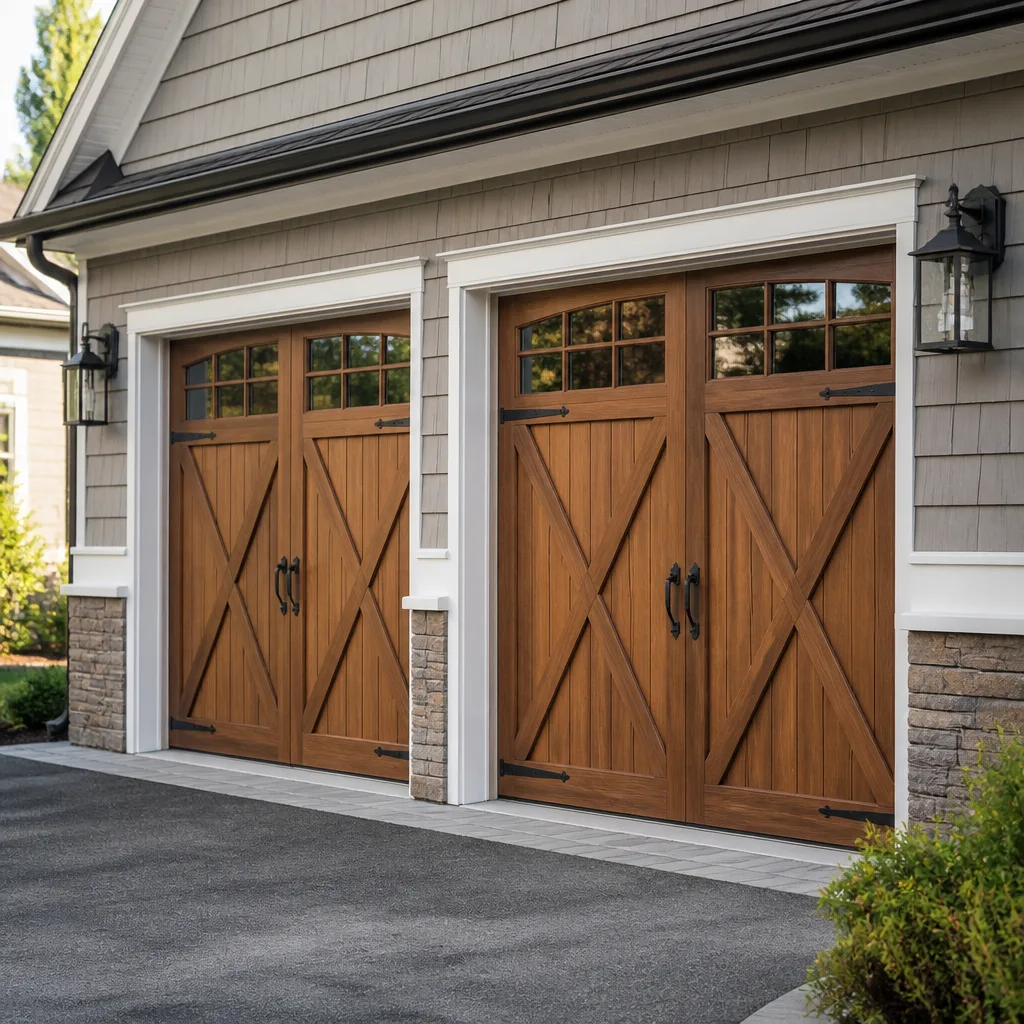 Carriage house
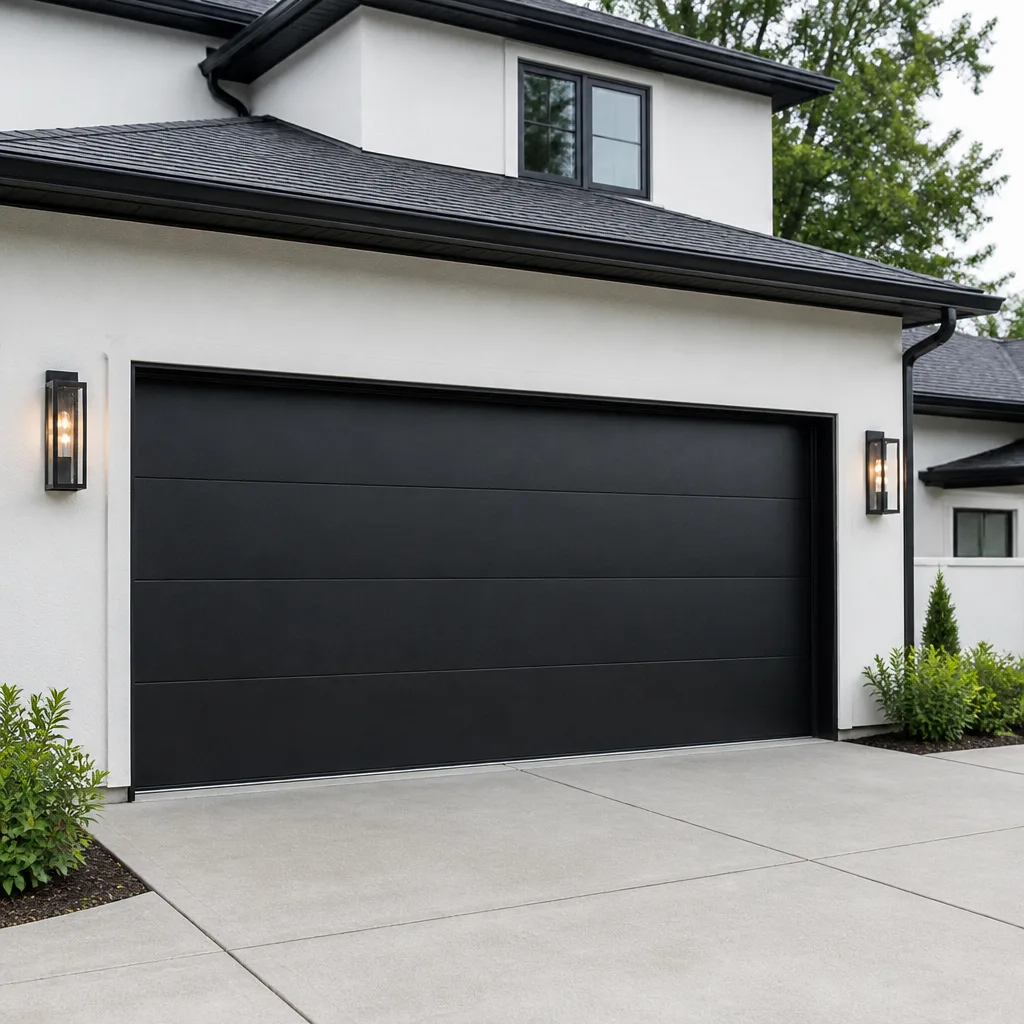 Modern flush
 Full-view glass
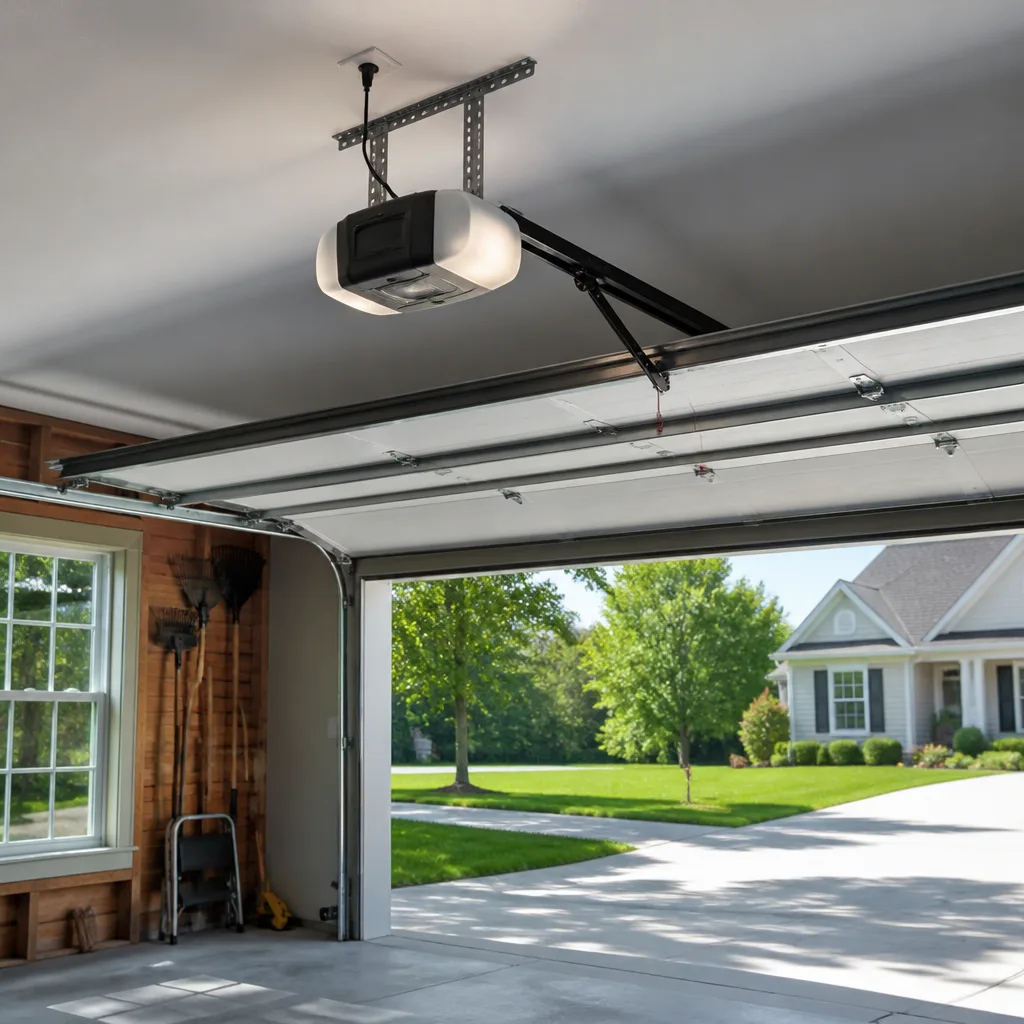 LiftMaster openers
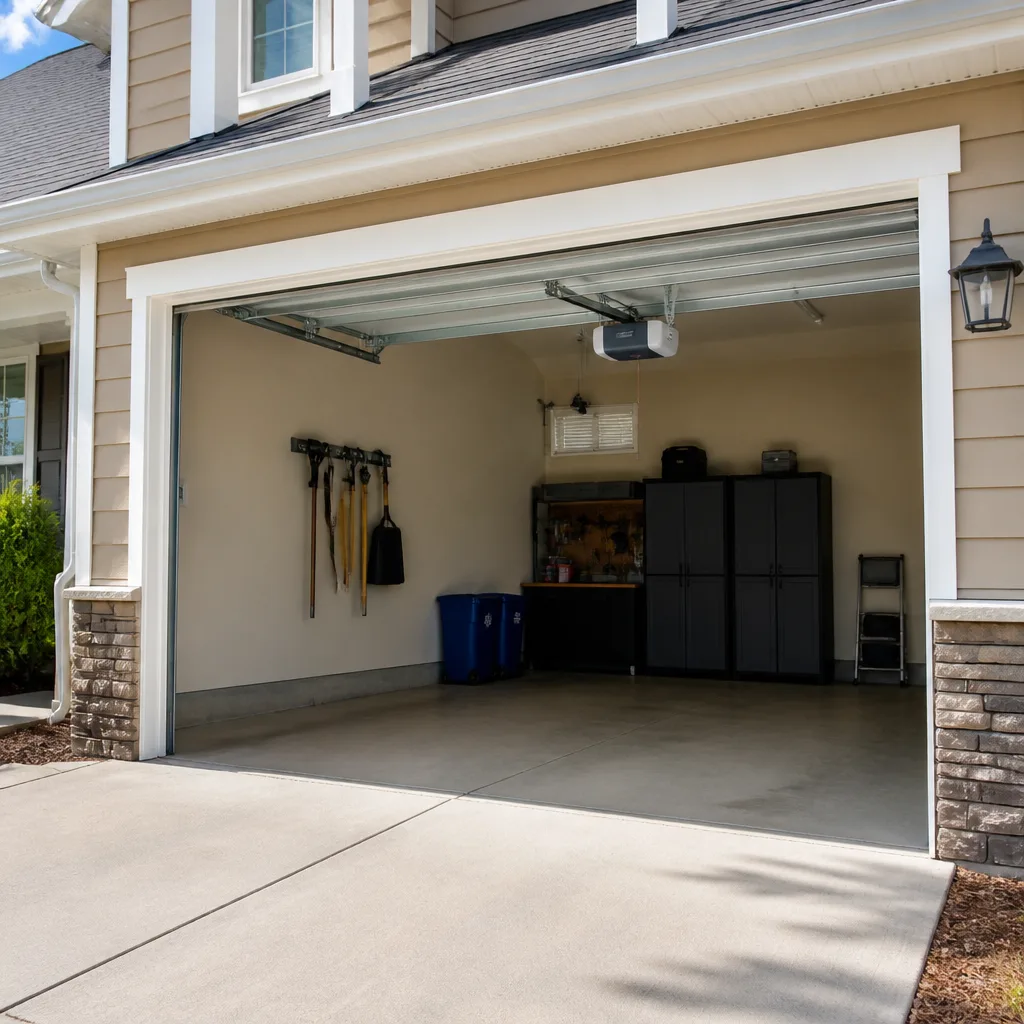 Chamberlain openers
Full 25-point door and opener safety check with every visit - springs, cables, rollers, tracks, and your LiftMaster or Chamberlain opener included
You get a price before we start. It does not change when the pro arrives.
Get your free estimateGarage Door Emergency Preparedness Guide for Parsippany Homes
Most garage door advice is reactive. Something breaks, you search until you find someone, and you hope the fix holds. Here’s the counterintuitive part: the homeowners who get through a garage door failure fastest aren’t the ones who found the best emergency number. They’re the ones who already knew how to release the door by hand, secure it, and what to have ready before anyone arrived. A garage door is the largest moving object in your house, and in Parsippany it’s often the only way a car gets in or out. This guide walks through manual release, securing a door stuck open, power outage protocol, who to call and what to say, and a short checklist to run this week. We’ll show you the plan before you need it.
Quick Answer
If your garage door stops working in Parsippany, first pull the manual release cord (or handle) to disengage the opener, then decide whether the door is safe to leave open or needs to be secured. When a door is stuck open in a way that leaves your home exposed, or a door is stuck shut with a car trapped inside, that’s a genuine emergency call, not a wait-until-Tuesday problem. The best defense is to test your manual release, know your opener’s battery backup status, and have a garage door specialist’s number saved before anything fails.
Styles & brands we work with
- Raised-panel steel
- Carriage house
- Modern flush
- Full-view glass
- LiftMaster openers
- Chamberlain openers
Table of Contents
- How do you manually release a garage door opener?
- How do you secure a garage door that’s stuck open?
- What’s the protocol when the power goes out?
- Who should you call when a door fails in an unsafe position?
- What should you check before an emergency happens?
- Why are springs and cables never a DIY job?
- Why does Parsippany weather stress garage doors?
- What if your opener is one of the major brands?
How do you manually release a garage door opener?
Every opener has a manual release so you can operate the door when the power is out or the motor fails. You disengage the opener with the pull cord, then lift the door by hand. That’s the whole principle. Knowing the principle and having done it once are different things, and the gap matters most when you’re not expecting it.
Here’s the sequence for a typical residential opener like a LiftMaster or Chamberlain unit:
- Pull the emergency release cord downward and toward the door. Don’t yank it sideways.
- You should hear or feel the trolley disconnect from the carriage.
- Lift the door slowly by hand. It should move with moderate resistance but not free-fall.
- Once the door is fully open, prop it or lower it only under a spring-safe grip.
What goes wrong with the red cord? A few things we see often.
- Pulling while the door is open. If the opener’s carriage is jammed against the trolley, a hard pull can bend the release arm or snap the cord off. Instead, engage the opener once more so the carriage is on the straight section, then release.
- A cord that’s been tied short or hooked up too high. Then nobody can reach it. If you can’t stand flat-footed and pull, it’s positioned wrong.
- Pulling a door down on someone. If a spring is broken, the door may be unnaturally heavy going down and unnaturally easy going up. Never let anyone stand under a door in that condition.
- Assuming the door is now safe to walk under. Releasing the opener removes the motor, not the risk. Lock the door open with clamps or a track bolt if you can, or leave it up and closed off.
Test the release once, in daylight, on a quiet day, so the motion is familiar. We’ve seen homeowners discover their release doesn’t work correctly only after the power is already out. Our technicians walk through this routine on every service call because it’s the single most useful thing a homeowner can learn about their own door.
How do you secure a garage door that’s stuck open?
A door stuck open is a security problem before it’s a mechanical one, especially overnight. You don’t need tools or new parts to make it safe. You need to keep people out and keep the door from moving.
Immediate steps, in order:
- Don’t try to force the door closed if it feels wrong. If it stops halfway or drops, leave it and call a professional.
- If the door is up and the opener disengaged, lower it by hand carefully until it’s fully closed. If it won’t lower, leave it fully up.
- If it must stay up, block it. Use furniture, a car, a stack of storage bins, or a temporary strap across the opening at a visible height. Mark it too so nobody walks into it.
- Lock the tracks if possible. Grab a c-clamp or a bolt through the door’s track just above a roller so the door can’t slide down. This is a safety hold, not a repair.
- Enter through another door. Cars can wait. Don’t leave a car inside an open garage overnight unless the house is secure.
The permanent answer is a repair, not duct tape. A door that stays up has usually lost tension (spring or cable), lost signal (opener or sensor), or lost alignment (track, hinge, or panel). Each fix is different, and the wrong one can make the next failure worse.
For Parsippany homes near Lake Parsippany or on the hills around Mount Tabor, a door stuck open overnight is a real concern. Twice we’ve been called to homes where the door was left up as a “temporary” fix and a second failure followed in the same week. Getting a trained set of eyes on the door quickly usually saves more than it costs. It’s also one of the reasons we encourage homeowners to save our number the day they close on a house.
What’s the protocol when the power goes out?
Power outages in Parsippany aren’t hypothetical. Storms in 2011, 2012, and 2020 each left parts of Morris County without power for days at a time. When the electric grid goes, so does your opener, unless you have a battery backup.
The power-outage protocol, in short:
- Release the opener manually. Pull the cord as described above. The door is now on spring tension and hand operation.
- Move the car if you need to leave. Open by hand, back out, then close the door by hand.
- Lock the door. Once closed, disengage the opener again so the carriage stays unhooked. A closed door with a manual lock bar, or a slide bolt into the track, is more secure than a door held only by gravity.
- Turn off the opener motor at the breaker if the door will be closed for a long time. That prevents a sudden motor engagement when power comes back.
- Don’t leave the door raised and unattended. Wind gusts during a storm can move an unsupported door, and a door can slam.
If you have a battery backup opener, this is where it earns its keep. LiftMaster, Chamberlain, and Genie all make battery backup models that run the door for a limited number of cycles after the power drops. They’re not a full blackout solution, but they buy you enough opens and closes to move a car and get the door secured. If you’re considering one, ask whether your existing opener can accept a backup battery. Many newer units can, and it’s a smaller job than replacing the opener itself.
We’ve also seen homeowners unlock nothing, expect everything to work, and end up parked on the lawn. Planning ahead takes twenty minutes. Nobody regrets it during a nor’easter.
Who should you call when a door fails in an unsafe position?
You call a garage door specialist, not a general handyman, if the door is stuck open, stuck shut with a car trapped, hanging at an angle, or making a sound that suggests a spring has let go. Those situations can turn dangerous, and they need someone trained on the specific equipment. We’re a garage door specialist, meaning springs, openers, panels, tracks, and hardware are the whole job, not a side job. Emergency garage door service is a core offering for us, not an upsell.
Before you call, have these ready:
- The make and model of the opener (a photo of the label works)
- What the door is doing (won’t move, moves halfway, moves slowly, makes a bang, hangs crooked)
- Whether the manual release works
- Whether the door is currently up, down, or stuck mid-track
- Whether a car is trapped inside or outside
- The age of the door if you know it, and any recent service
When you reach us, we’ll usually ask you to confirm the door is safely secured before we schedule. If a door is stuck in an open position that leaves the house exposed, we treat it as a security issue and prioritize it. We can work around your insurer, and we’ll tell you plainly whether a part needs replacing or whether it’s a repair. Diagnose first, replace only if necessary is how we work. The written estimate sets the price, and we quote before any work starts.
For a broader look at what we handle day to day, our garage door repair page covers the common failure modes. If the opener itself is the trouble, see garage door opener repair.
What should you check before an emergency happens?
The right time to get ready is now, on a mild day, when nothing is wrong. This checklist takes under half an hour and covers almost every failure you might face.
- Test the manual release. Pull the cord, lift the door, lower it, re-engage. Confirm you can do it without a struggle.
- Check the release cord’s condition. Look for fraying, a broken clip, or a short tie. If it’s damaged, get it replaced now.
- Check your opener’s battery backup status. Find the model on the opener label and look up whether it accepts a backup. If it doesn’t, note the model for future planning.
- Clear the space around the door. Tools, storage, and bicycles near the door are a problem if the door needs to be blocked or the opener serviced quickly.
- Save a garage door specialist’s number in your phone. Ours is (866) 643-7636. Save it under “Garage Door” so it’s easy to find.
- Check the garage door safety sensors. The two small lights near the floor at the door opening should be steady. If they blink, or a wire is loose, get it fixed before it fails at the worst time.
- Listen once a month. Open and close the door while paying attention. A new rattle, a grinding sound, or a hesitation is a signal to look closer.
Neighborhoods like Powder Mill or Lake Hiawatha see older track and roller hardware that has never been checked, and the first symptom often shows up in a hard freeze. A short checklist now beats a frantic call later. We’ve seen a bent release cord take a two-hour repair down to a twenty-minute one, purely because the homeowner checked.
Why are springs and cables never a DIY job?
Garage door springs and cables are held under extreme tension. They can cause serious injury, and in our experience, they are the part most likely to fail without warning. That’s why spring repair is a named specialty for us. It’s a high-tension, safety-critical job that general handymen routinely decline or mishandle.
Here’s the short version of why we don’t want anyone touching them:
- Springs are pre-loaded. The torsion spring at the top of the door is under load even when the door is down. Removing or adjusting it without winding bars and training is dangerous.
- A snapped spring can whip. A broken spring or a released cable can swing into the door, the wall, or a person.
- A door with a broken spring is unsafe to open. Without tension, the door may fall or may be impossible to lift. Don’t try to force it.
- The right work is diagnostic first. An experienced technician can tell you whether one spring failed or the pair should be replaced together. A matched pair is usually the right call, because a second spring of the same age tends to fail soon after.
For a proper look at that work, our garage door spring repair page explains what’s involved. If your door has stopped moving and you suspect the spring, stay off the door. Call Parsippany Garage Door Repair Pros and we’ll come look before anyone touches the spring. This is exactly the situation where the right specialist saves time and risk.
Why does Parsippany weather stress garage doors?
Parsippany sits in a stretch of Morris County that sees real seasonal swing: humid summers, cold winters, and freeze-thaw cycles that move the ground and the wood framing around your garage. Doors don’t fail because of Parsippany weather itself. They fail because that weather stresses the parts that keep a door balanced and aligned.
- Cold metal contracts. Springs, tracks, and hinges shrink slightly, which is enough to throw off tension and alignment.
- Ground movement shifts the framing. A door frame that has moved even a quarter inch can cause the door to bind or the opener to work harder.
- Ice at the bottom seal. A frozen weather strip can grab the door and make the opener think it has hit something, causing it to reverse.
- Summer heat expands the door panels. Wood and steel both grow slightly, which can cause the door to rub against the track.
We see more spring failures in Parsippany in the first cold snap of the season than any other time, and more opener trouble in the hottest weeks. That’s a pattern, not a coincidence. Someone with the wrong equipment can make a seasonal problem permanent. A quick pre-winter check, run in fall, catches most of what a Parsippany winter will throw at a garage door.
If your door has been making noise for a month and the first frost finished it off, call us and describe the sound. “Loud bang followed by the door not moving” is our most common winter service call.
What if your opener is one of the major brands?
Most garage doors in Parsippany are built on one of a handful of systems. If your opener is a LiftMaster, Chamberlain, Genie, Clopay, Amarr, Wayne Dalton, Craftsman, or Raynor, we’ve worked on it and we know its quirks. We work on the brand you already have, and that means we diagnose by system knowledge, not trial and error. You don’t have to worry that a technician will find your specific brand unfamiliar or push a full replacement because the opener is “an older model.”
That matters in an emergency. When a door is stuck and the opener is one of these common systems, we can often narrow the likely cause on the phone. What’s the make, what’s the model, what does the door do? A LiftMaster with a blinking wall console is a different call from a Craftsman motor that runs but won’t lift. Same goes for Clopay door panels that bind on an older track.
Brand-agnostic repair capability means you can call without a compatibility worry. If your opener is older or unusual, we’ll still look at it. If it’s failed in a way that’s not worth repairing, we’ll tell you that too, and lay out the options for a replacement door or opener from a brand we service. Whether that’s a repair, a new opener, or a new door, we can handle it. Springs, openers, panels, tracks, the whole system, under one provider. No handoffs to a second contractor.
Common Mistakes to Avoid
- Pulling the manual release cord when the door is halfway open. This can jam the trolley and bend the release arm. Position the door fully down or fully up before releasing.
- Assuming a stuck-open door is “safe enough” for a night. In Parsippany, a garage door left open draws attention. Block the opening, lock the track, and call us.
- Forcing a door down that has lost spring tension. If the door is unusually heavy or drops fast, stop. A broken spring means the door is unbalanced and can come down on someone.
- Buying a new opener without checking the door first. Many “opener failures” in Parsippany are actually door problems (a bad roller, a bent track, a broken spring). The opener gets replaced, the door still binds, and the new opener fails the same way.
- Ignoring a blinking sensor light. A dirty or misaligned safety sensor can cause the door to reverse unexpectedly. Clean the lens, check the wire, and if it stays faulted, have it looked at.
- Calling a general handyman for a spring job. Springs are high-tension and require specialized tools. A handyman who takes the job can injure themselves or damage the door.
- Not saving a garage door specialist’s number. Emergencies happen when the internet is down or you’re running out of phone battery. Save (866) 643-7636 before you need it.
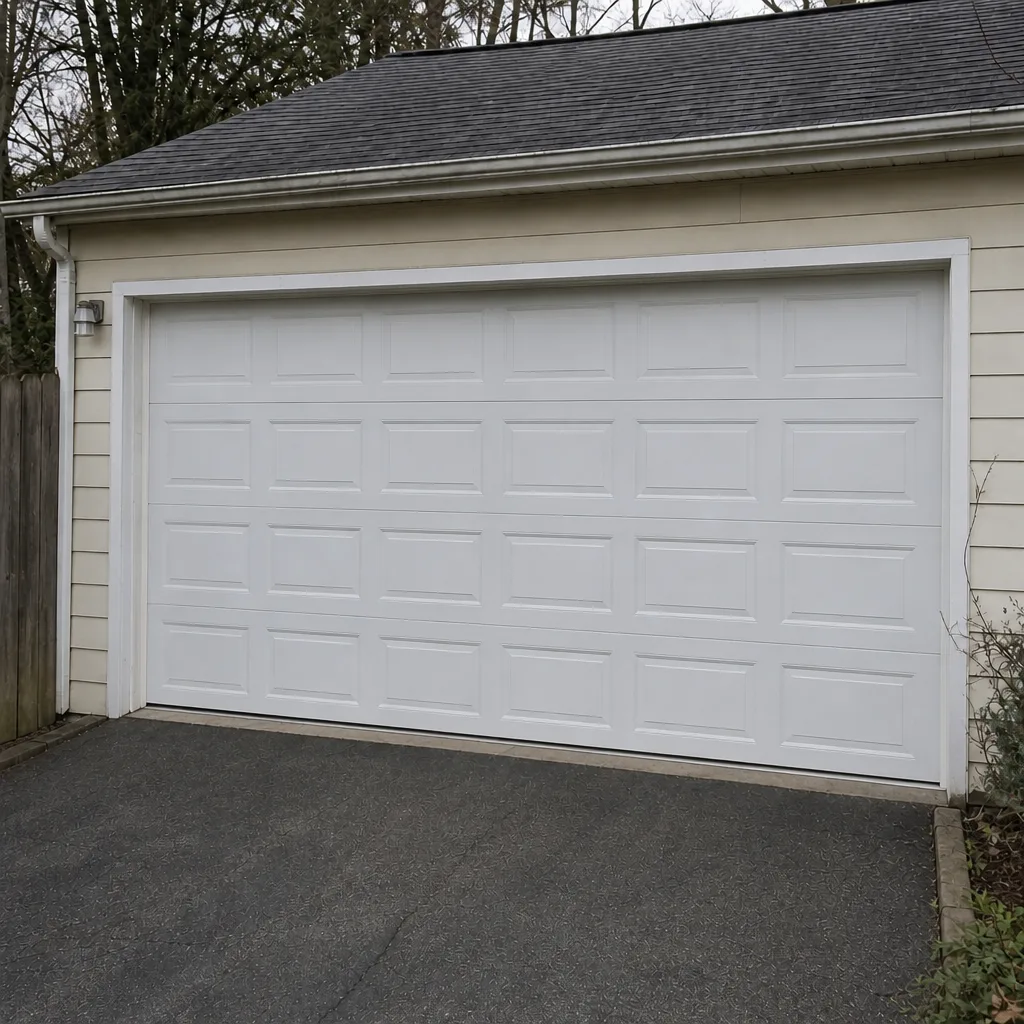
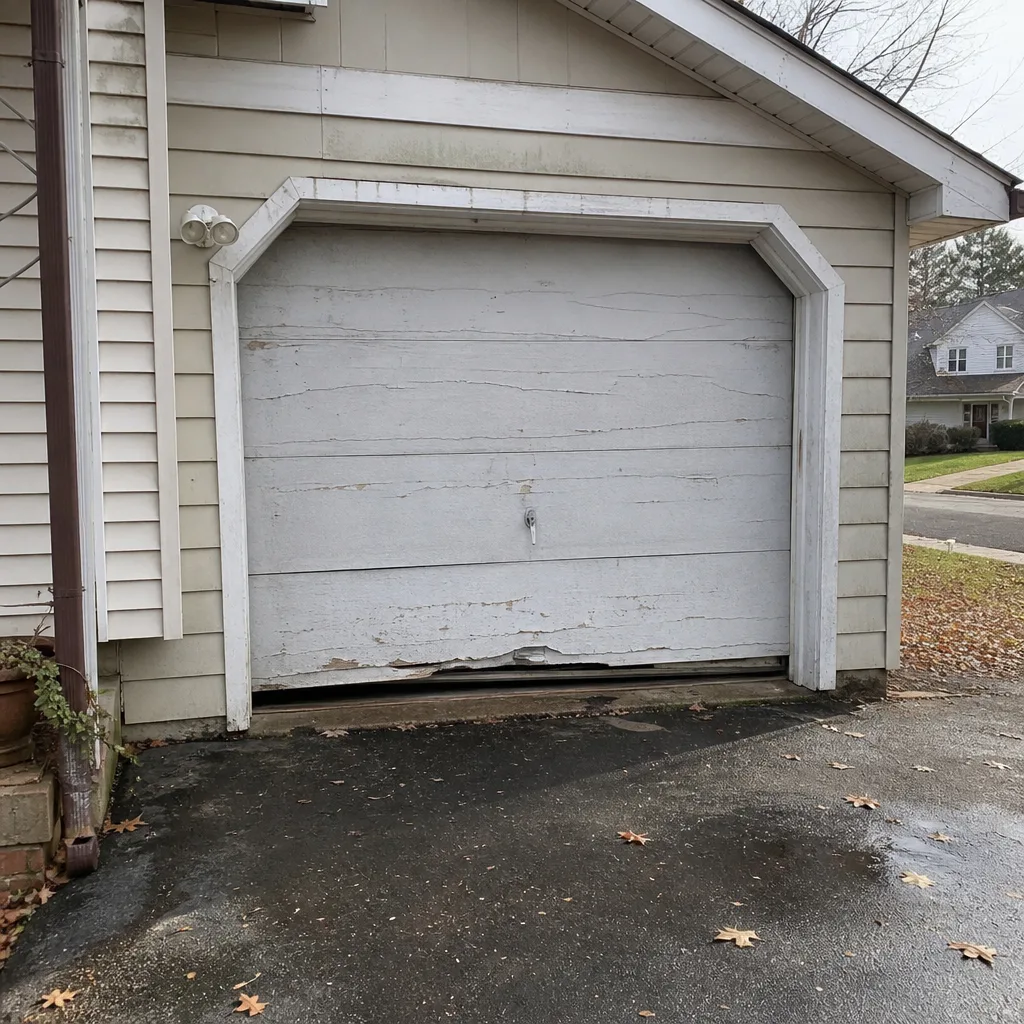
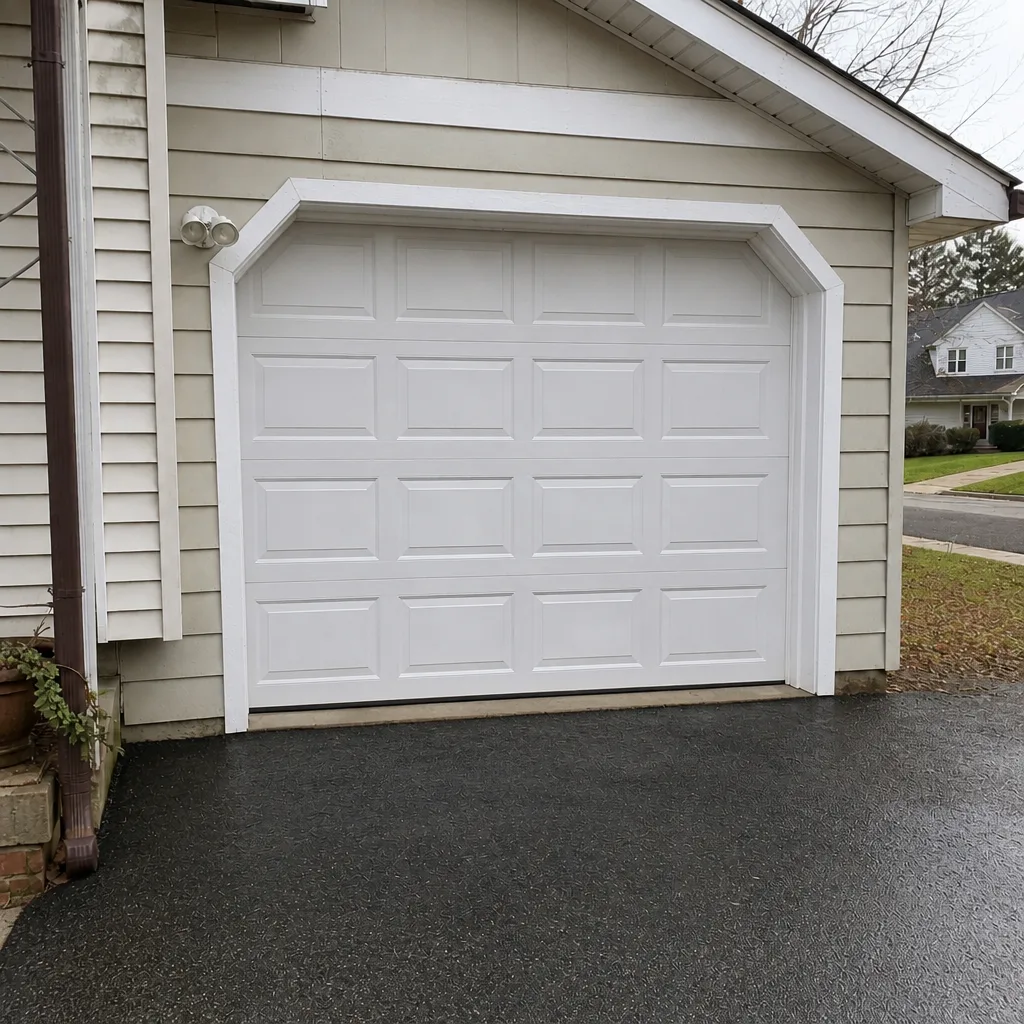
See the difference
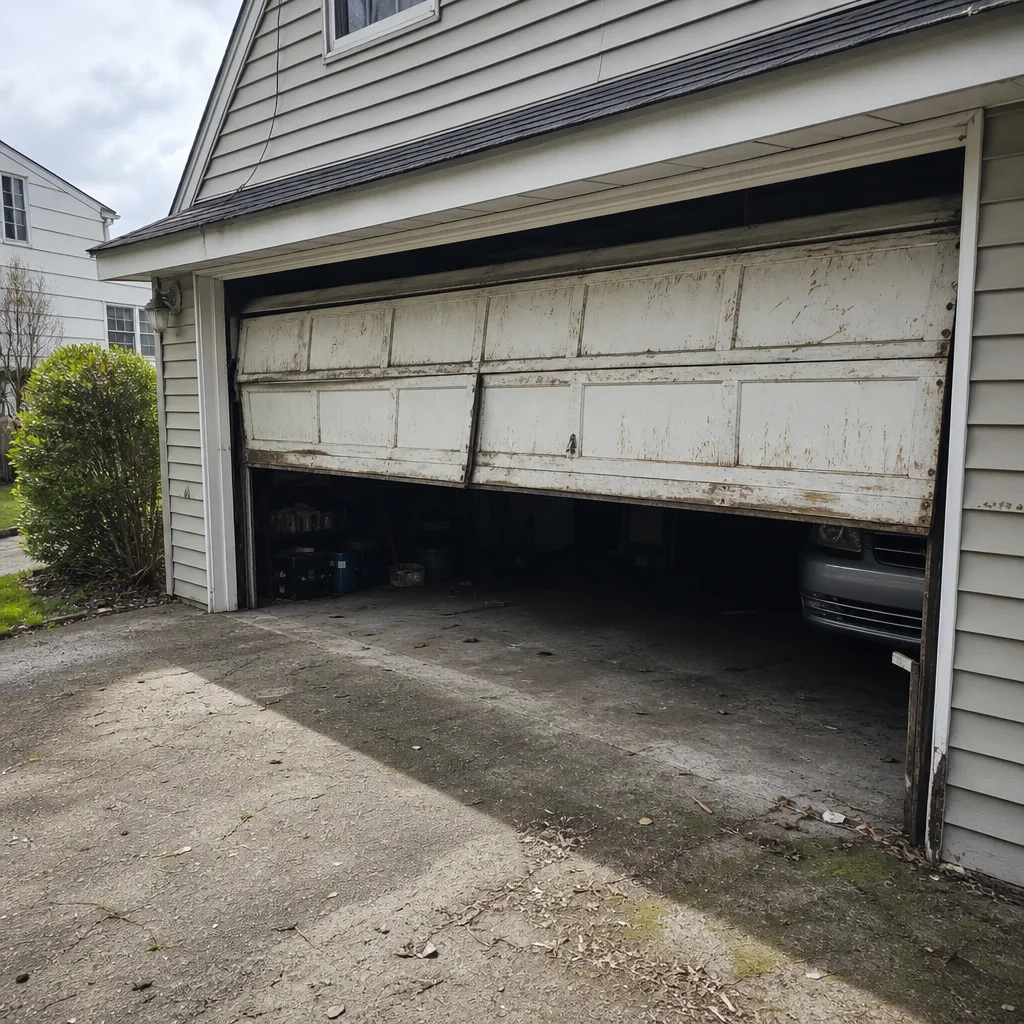 Before
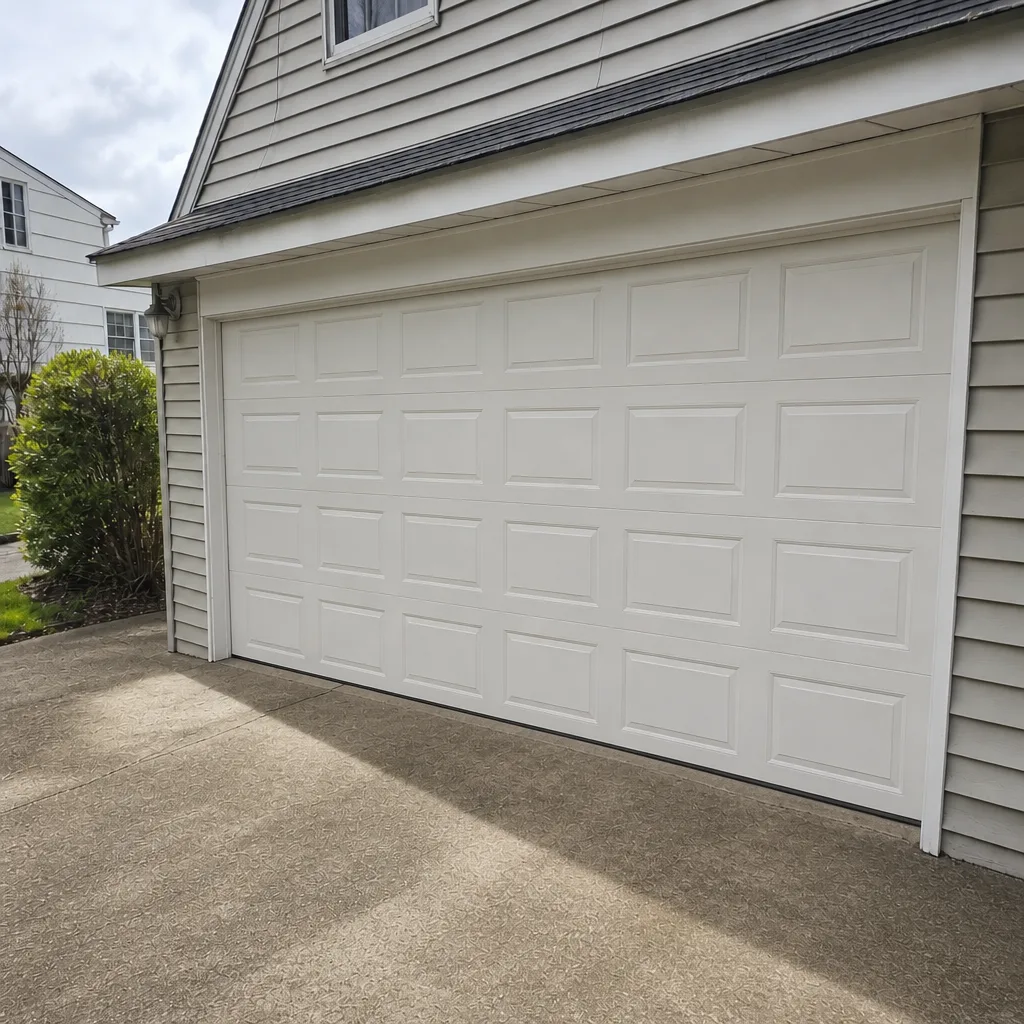 After
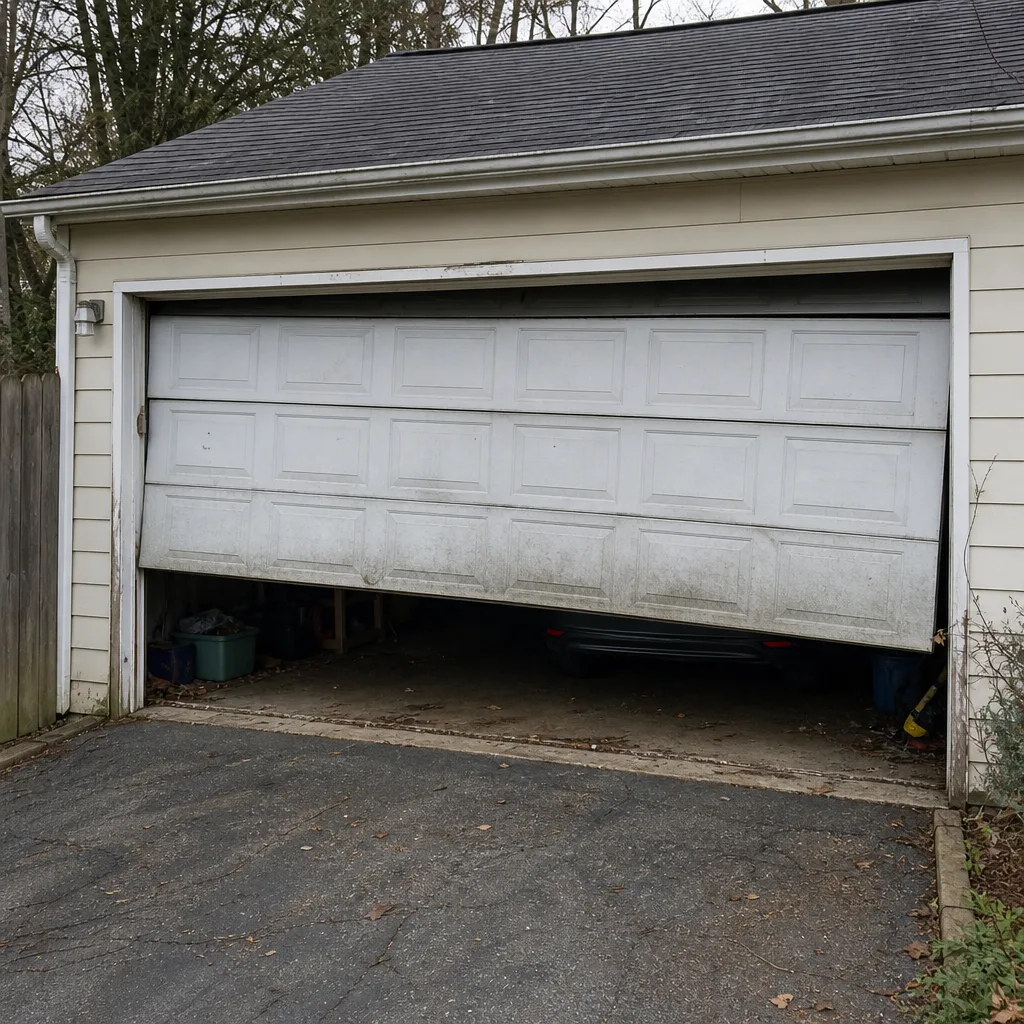 Before
 After
 Before
 After
When to Call a Professional
Call a professional when a door is stuck open and cannot be secured, when a door is stuck shut with a car trapped, when a spring has visibly snapped, when a door hangs at an angle, or when the opener runs but the door doesn’t move. Those are safety and security calls, not weekend projects. Parsippany Garage Door Repair Pros offers free estimates in Parsippany. Call (866) 643-7636. Our technicians have up to 8 years of experience, and they can diagnose the door, the opener, and the whole system in one visit.
Frequently Asked Questions
First, pull the manual release cord to disengage the opener and try the door by hand. If it lifts by hand but not with the opener, the problem is the opener. If it won’t move by hand or feels extremely heavy, stop and call a specialist. The door may have a spring or track issue that makes it unsafe to operate.
Yes. The manual release cord lets you disengage the opener and lift the door by hand. Once you’ve moved the car, close the door by hand and secure it with a lock or a slide bolt. If you have a LiftMaster, Chamberlain, or Genie opener with battery backup, the door may work normally for a limited number of cycles.
Block the opening with heavy items or a vehicle, and clamp the track just above a roller if you can. If the door can be lowered by hand, bring it fully down and lock it. Call for service first thing and be ready to describe the door’s position and the opener’s make and model.
Yes. A broken spring means the door is unbalanced and can fall or cannot be safely lifted. Don’t try to open the door, don’t walk under it, and don’t attempt a repair. Call Parsippany Garage Door Repair Pros at (866) 643-7636 for a professional evaluation. Springs are a safety-critical part.
No, not necessarily. The opener is an electric appliance, and without power or a battery backup it won’t run. If the opener is otherwise in good shape, adding or replacing a battery backup is often enough. If the opener itself is failing, our technicians can diagnose the unit and let you know if repair or replacement makes more sense.
No. The written estimate sets the price, and we quote before any work begins. If the diagnosis changes once we’re on site, we’ll explain what we found and quote any revised scope before continuing. You agree to the price before we start.
The Bottom Line
A garage door emergency in Parsippany is manageable if you’ve done three things: learned to release the opener by hand, secured a door stuck open, and saved a specialist’s number. Springs and cables are never a do-it-yourself job, and a stuck door often signals a problem with the whole system, not just one part. Our technicians have up to 8 years of experience across the major brands, and we diagnose before we replace. The best way to face a garage door failure is to have a plan already in place, and the second-best way is to call.
Call Parsippany Garage Door Repair Pros at (866) 643-7636 for a free estimate. Whether it’s an emergency or a planned check, we can help you keep your door ready.
Written by the team at Parsippany Garage Door Repair Pros.