Last updated November 23, 2026
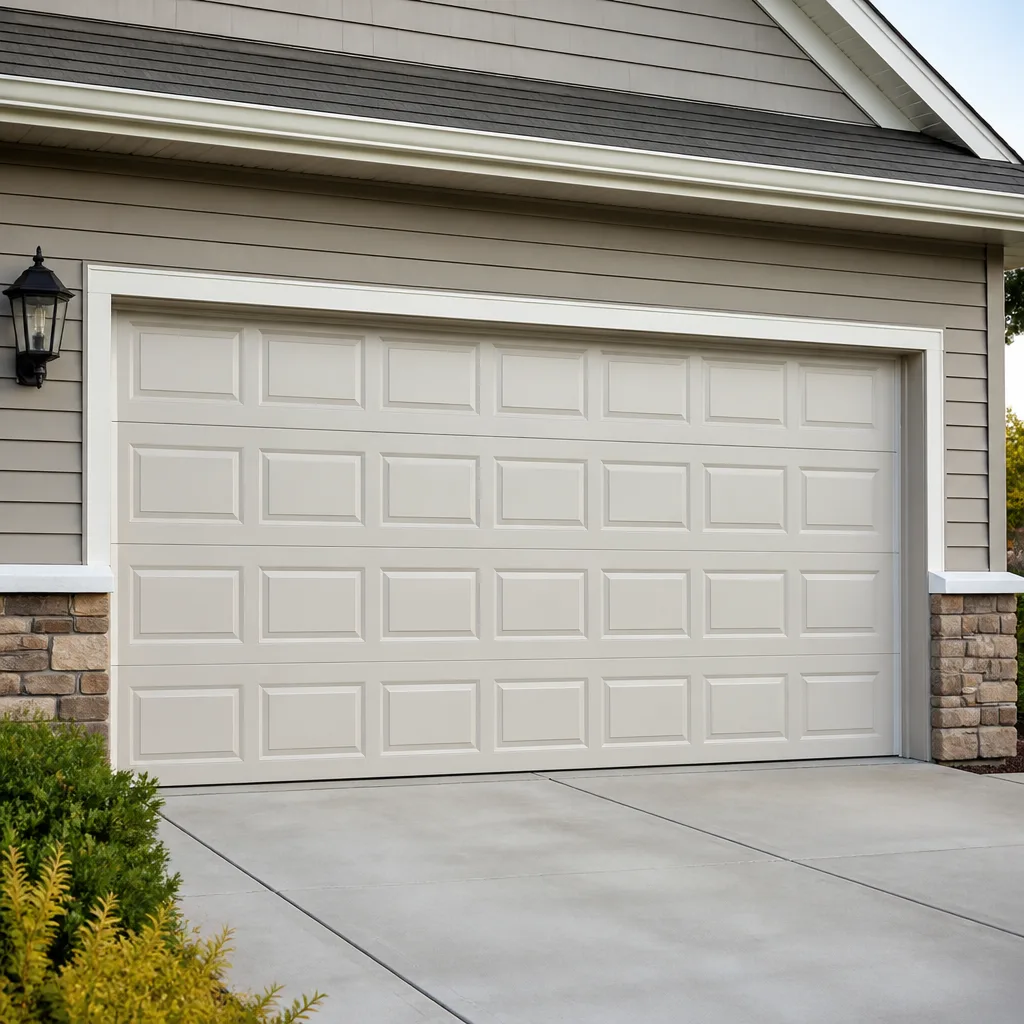 Raised-panel steel
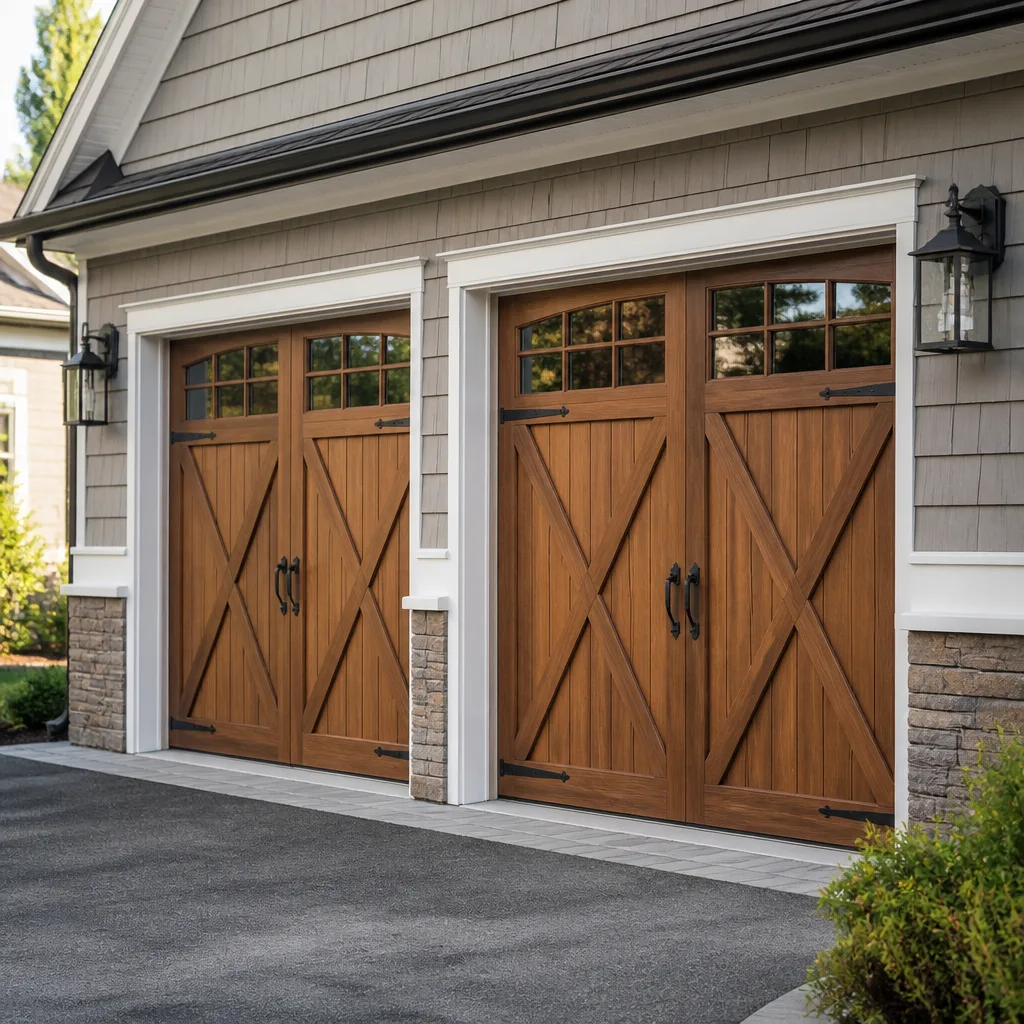 Carriage house
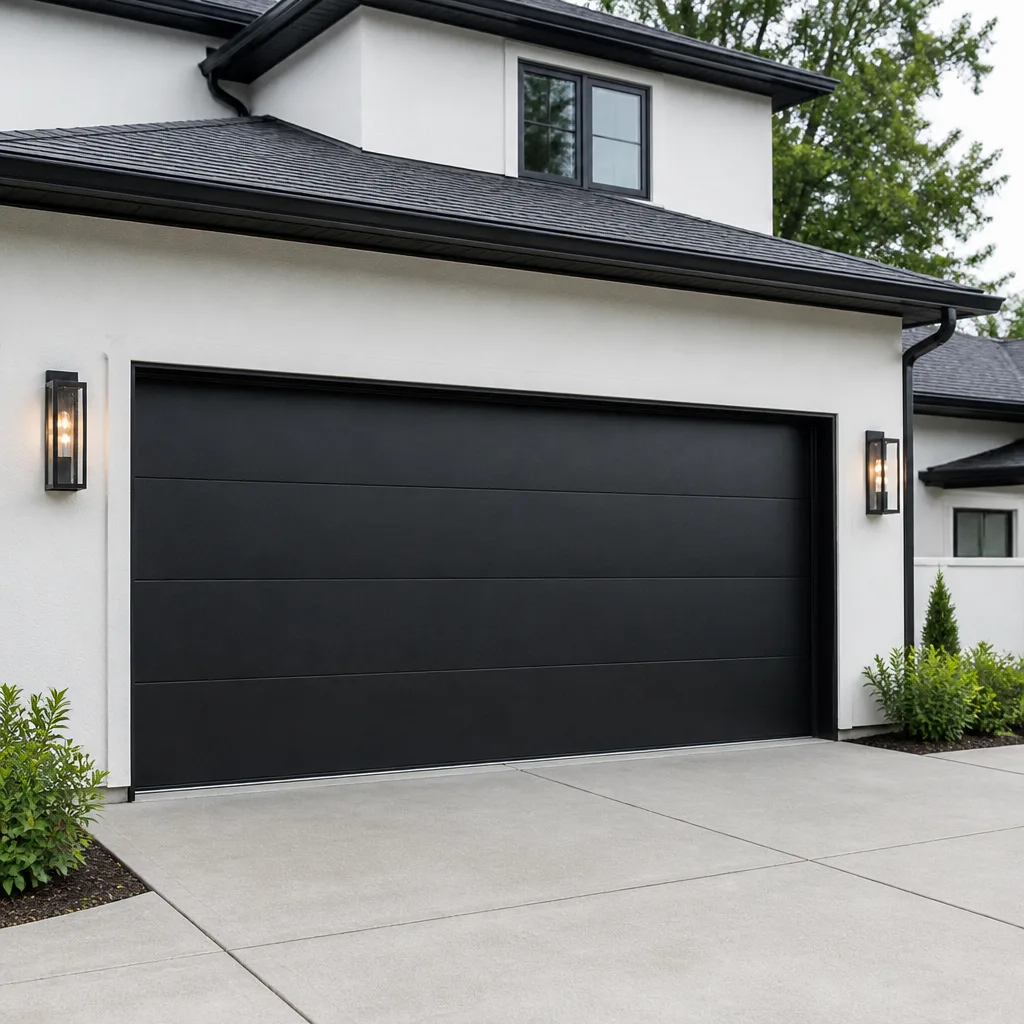 Modern flush
 Full-view glass
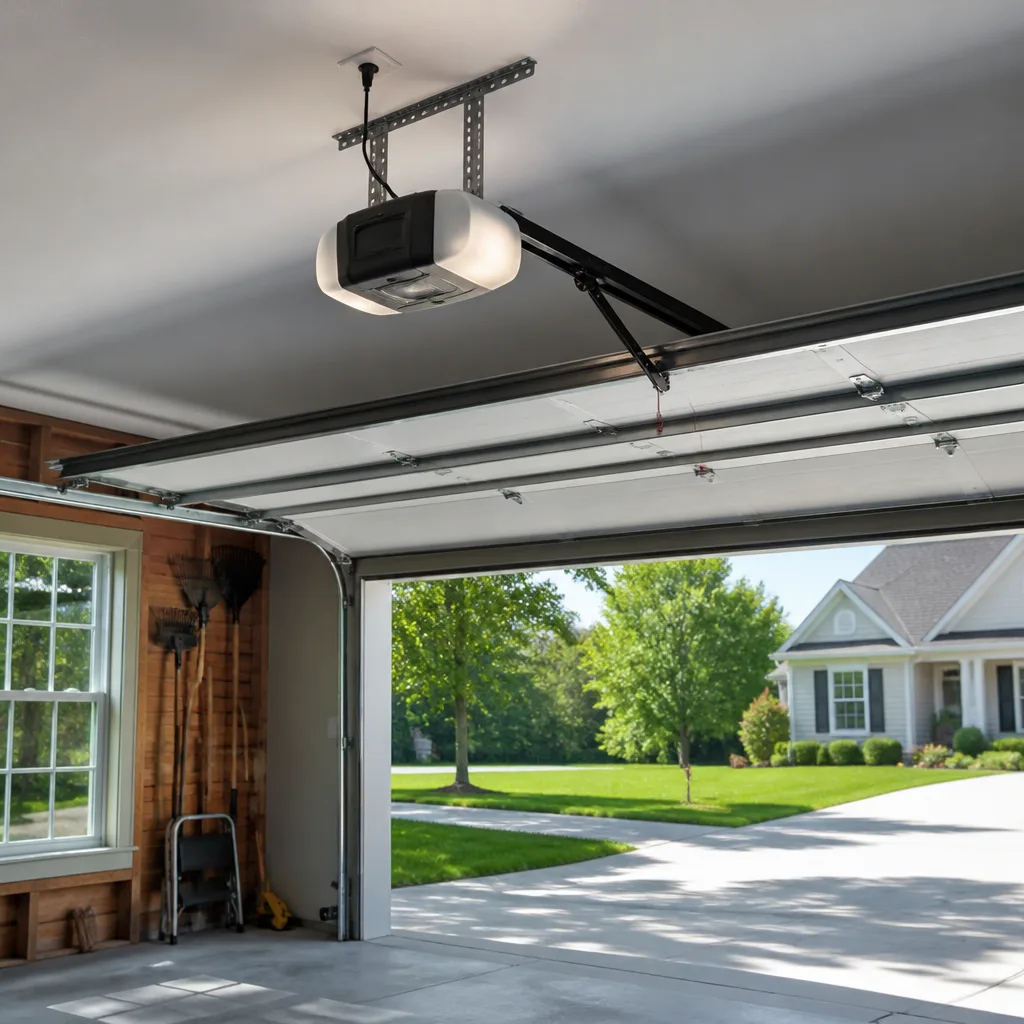 LiftMaster openers
 Chamberlain openers
Full 25-point door and opener safety check with every visit - springs, cables, rollers, tracks, and your LiftMaster or Chamberlain opener included
You get a price before we start. It does not change when the pro arrives.
Get your free estimateSeasonal Garage Door Care for Parsippany: Year-Round Homeowner’s Guide
Most homeowners treat a garage door like a refrigerator: it works until it doesn’t, and nobody thinks about it in between. That approach costs money in northern New Jersey. Here’s the counterintuitive part – the highest volume of emergency garage door service calls in this region lands in January and February, not because winter breaks doors out of nowhere, but because the small problems from October were never addressed, and cold weather simply removed the last bit of tolerance from already-worn parts. A torsion spring that was creeping toward failure in September has no give left at fifteen degrees. This guide walks through what a real seasonal schedule looks like in Parsippany, month by month, tuned to a climate that punishes hardware in all four seasons.
Quick Answer
Seasonal garage door maintenance in Parsippany means more than a spring and fall once-over. The schedule that actually prevents failures here has to account for sub-freezing winters, humid summers, and the hard freeze-thaw swings that hit in November and March. Focus your own checks on the bottom seal, torsion spring tension, and opener force settings going into winter; watch for swelling on wood and wood-composite doors in June; and inspect cables, rollers, and the bottom section for salt and grit damage after the thaw. Everything high-tension – springs and cables – belongs to a trained technician, not a weekend project.
Styles & brands we work with
- Raised-panel steel
- Carriage house
- Modern flush
- Full-view glass
- LiftMaster openers
- Chamberlain openers
Table of Contents
- Why Parsippany’s Climate Is Hard on Garage Doors
- The November Prep Checklist
- Spring Tension in Uninsulated vs. Insulated Garages
- Summer Humidity and Wood or Wood-Composite Doors
- The Spring Thaw Inspection
- Your Month-by-Month Maintenance Calendar
- What You Can Safely Check Yourself
- Common Mistakes to Avoid
Why Parsippany’s Climate Is Hard on Garage Doors
Parsippany sits in a climate band that delivers genuine punishment across all four seasons. Winters drop well below freezing, summers run humid, and the shoulder seasons swing hard between thawing afternoons and freezing nights. That freeze-thaw cycle is the piece most generic maintenance advice skips, and it’s the one that does the most quiet damage to a garage door system.
Think about what happens to the parts that live closest to the ground. The bottom seal takes on water during a wet fall day, then that moisture freezes overnight, expands, and works its way into seams. Repeat that cycle a dozen times through November and December and a seal that looked fine in September starts cracking, pulling away from the bottom section, or stiffening enough that it no longer seats against the floor. A stiff seal lets cold air and snowmelt under the door, and that moisture sits on the bottom panel all winter.
The same expansion-and-contraction pattern hits your tracks. Steel tracks and the fasteners holding them shift slightly with temperature, and a track that was perfectly plumb in October can be a few degrees off by January. That misalignment puts uneven load on rollers and adds stress to the torsion system. It’s also why doors that worked fine all fall suddenly bind or grind in deep winter.
Parsippany’s housing stock makes this matter more than it might elsewhere. Many homes here have attached garages that share a wall with living space, so a door that doesn’t seal properly doesn’t just cost you on the door – it drags down comfort in the rooms above and beside it. Detached garages, common on some of the older lots around Lake Parsippany and Mount Tabor, are unheated, which changes the whole calculation on spring tension, as we’ll get into below.
None of this is cause for alarm. It’s cause for a schedule. Garage doors are mechanical systems with a known wear pattern, and if you address the predictable failure points before the season that stresses them, you avoid most emergency calls entirely. That’s the logic behind everything that follows.
The November Prep Checklist
November is the most important month on the Parsippany garage door calendar. You’re prepping for the transition from cool to cold, and once the hard freezes set in, you lose the window to fix small things before they become expensive. Here’s what a focused November walkthrough covers, with the parts most damaged by freeze-thaw up front.
- Bottom seal condition. Run your hand along the rubber seal under the door, all the way across. Look for cracks, flattening, tears, or sections pulling loose from the retainer. A brittle or torn seal is your biggest freeze-thaw liability. A stiff seal also tells you the bottom section may be taking on moisture.
- Torsion spring visual and balance check. Look at the spring above the door – don’t touch it. You’re looking for visible gaps, rust, or a spring that looks stretched compared to how it sat last year. Then do a balance check: disconnect the opener (pull the release cord with the door closed), lift the door halfway by hand, and let go. A well-balanced door holds position. If it drops or rises on its own, the spring tension is off.
- Opener force settings. Cold thickens grease in the door hardware and stiffens the seal, so the opener has to work harder. Check your opener’s force adjustment per the manual – many units with auto-force sensing need a seasonal adjustment when the door’s resistance changes. If the opener reverses partway up or strains audibly, that’s a force setting or a hardware problem, and you want to know now, not at the first hard freeze.
- Track alignment and fasteners. Eyeball both vertical tracks for plumb and the horizontal tracks for level. Tighten any loose lag bolts at the brackets, but don’t overtighten – you can strip the mounting point.
- Roller and hinge lubrication. A light application of a garage-door-specific lubricant on rollers, hinges, and the spring (from a safe distance, never touching it) reduces cold-weather strain.
- Weatherstripping around the frame. Check the trim seals on the sides and top for gaps. Cold air intrusion here is a comfort issue and a freeze-thaw issue at the door edges.
- Test the safety reverse. Put a small object in the door’s path and confirm the opener reverses on contact. This is a safety function you want working before winter, and it’s a quick check.
If the balance check or spring inspection turns up anything, that’s the moment to call in a specialist rather than delay. High-tension springs and cables are a genuine safety hazard – a torsion spring under load stores serious energy, and a careless touch can cause severe injury. We handle garage door spring repair as a core specialty with the tools and training this job requires, and November is when we see the steady stream of homeowners who’d rather get ahead of it.
Spring Tension in Uninsulated vs. Insulated Garages
Here’s a distinction most maintenance guides miss entirely, and it matters in Parsippany. A garage door’s torsion spring is calibrated to counterbalance the door’s weight and the resistance of the opening. In an unheated, uninsulated detached garage, the temperature swings are far more extreme than in an insulated attached garage – summer inside can hit the high nineties, winter can drop to single digits. Springs are steel, and steel changes its properties with temperature. A spring calibrated for mild conditions will behave differently when it’s 15 degrees versus when it’s 80, and the difference shows up as a door that feels heavy, sluggish, or slow to respond in deep winter.
In an insulated attached garage that stays more temperature-stable, the spring sees far less swing, and its performance stays consistent. So the practical takeaway: if you have a detached or uninsulated garage, treat your balance check in November and again in March as non-negotiable. You’re not just checking wear – you’re checking whether the door still operates within its safe range given the temperature you’ll be living with.
This is also where the wrong spring choice bites you. If a previous replacement used a spring that’s undersized for your door’s actual weight and for the cold, it may work fine all summer and fail in February. We calibrate spring tension to the door and the environment it lives in, and we work with whatever system you already have – Genie, Clopay, Amarr, Wayne Dalton, and the rest of the major brands. We’re not going to push a new door on you because a spring was the wrong spec – diagnose first, replace only if necessary.
One more thing on uninsulated garages: the door itself takes the temperature swing. A steel door expands and contracts more in a detached garage, which stresses the panel seams and the bottom section. That’s another reason the November seal check and the March thaw inspection carry more weight on detached builds.
Summer Humidity and Wood or Wood-Composite Doors
Parsippany summers are humid, and if you have a wood or wood-composite garage door, June is your make-or-break month. Wood absorbs moisture from humid air, and when it swells, it doesn’t just swell in place – it pushes against the surrounding frame, the tracks, and the panel joints. A door that operated smoothly all winter can start to bind or rub in the summer as the panels widen slightly and the doors’ edges press into the jambs.
What swelling actually does to your system:
- It throws track alignment off as the expanding door pushes on the vertical tracks.
- It increases the friction the opener has to overcome, straining the motor.
- It can cause the bottom seal to separate from a swollen bottom section.
- It swells panel joints, and over repeated wet-dry cycles, those joints weaken.
You can get ahead of it in June with a few simple moves. First, inspect the door’s finish – paint and stain are the barrier, and any peeling or bare spots let moisture straight in. Touch up or repaint before the humid stretch. Second, check that the door has clearance in its frame; if it’s already tight, that’s a sign the wood has taken on moisture and you want to address the source, not force it. Third, lubricate the hinges and rollers as you would in winter – humidity makes parts stick as surely as cold does.
If a wood or composite door has been binding through a wet summer, that’s often a sign of a deeper moisture or hardware problem. We work on garage door repair across every door type, and we can tell you whether the fix is finishing, track adjustment, or panel work – without steering you toward a replacement you don’t need.
The Spring Thaw Inspection
When the ground thaws and the snowmelt runs, it carries a winter’s worth of road salt and driveway grit into your garage door system. This is the March inspection, and it’s the one homeowners skip most often. What the thaw leaves behind:
- Cables. The steel cables that lift your door run along the sides where grit and salt accumulate. Salt is corrosive, and a cable with even a few compromised strands is a safety concern. Don’t inspect this one by hand – look at the cables, note rust or fraying, and call a technician if you see anything off.
- Rollers. Grit works into roller bearings and turns smooth travel into grinding. A roller that’s grinding wears the track too.
- Bottom section finish. Salt spray eats at paint and coatings, especially on steel doors. If you see bubbling, rust spots, or bare metal near the bottom, get it addressed before the fall wet season returns.
- Bottom seal again. The freeze-thaw cycle through winter may have cracked or stiffened it further. A quick hand-check tells you if it needs replacement.
- Weatherstripping. Check the frame trim for water damage or rot at the bottom.
The thaw inspection is also the right moment for a full system review – opener, springs, tracks, panels. If anything looks questionable, this is when you’d garage door opener repair for an unresponsive unit, or get a spring re-checked before the next season. Catching a problem in March gives you the whole mild season to fix it on your schedule rather than facing a failure in July or January.
Your Month-by-Month Maintenance Calendar
Generic “spring and fall” advice misses the transition points where Parsippany doors actually fail. Here’s a simplified calendar built around this climate, not a national average.
- January-February: Peak emergency season. Keep the door path clear of ice and snow, and never force a frozen door – if it won’t open smoothly, stop. Listen for new grinding or strain from the opener. A door that reverses or strains needs professional attention.
- March: Thaw inspection. Check cables (visually), rollers, bottom seal, and bottom section finish for salt and grit damage. Get any spring concerns evaluated.
- April-May: Light-season tune-up while conditions are mild. Lubricate hinges and rollers, tighten track fasteners, test safety reverse. Good window for any repairs you put off.
- June: Summer humidity prep. Inspect and touch up the finish on wood or composite doors, check frame clearance, lubricate moving parts. Wood door owners: this is the critical month.
- July-August: Monitor. Watch for binding, rubbing, or opener strain as humidity peaks. Listen as much as you look – a grinding or popping sound is a signal.
- September-October: The pre-winter prep. Full balance check, bottom seal inspection, opener force check, weatherstripping review. This is the most valuable maintenance window of the year.
- November: The November prep checklist above. Get ahead of freeze-thaw before the first hard freeze. If anything needs a technician, do it now.
- December: Final walkthrough. Confirm the door seals, the opener runs clean, and nothing is binding as temperatures drop. Then close out the year knowing your system is prepped.
The pattern here is deliberate: the two heavy maintenance windows are fall (October-November) and the late-winter thaw (March), with the summer humidity window (June) as the third. Those are the three points where Parsippany’s climate stresses door hardware hardest, so that’s where your time and attention should go.
What You Can Safely Check Yourself
We’d rather you handle the low-risk checks yourself. That’s the kind of maintenance that keeps a system healthy and saves you a call. But there’s a clear line in this trade, and it runs between the parts that hold the door up and everything else.
Safe to do yourself: visual inspections of the seal, rollers, tracks, and finish; lubricating hinges and rollers; checking that fasteners are snug (not overtightened); testing the safety reverse; keeping the door path clear of debris and snow.
Not safe – call us: anything involving torsion springs or cables. These parts are under high tension, and a spring or cable failure can cause serious injury. There’s no safe way to “adjust” a torsion spring by hand. If you suspect a spring problem, leave the door closed and call. The same goes for disconnecting or testing a spring system, or trying to repair a frayed cable.
Worn opener parts are worth a call too, but for a different reason – diagnosing force settings and motor faults on the major opener brands takes system knowledge, not guesswork. We see a lot of openers that were replaced because a force setting or a worn gear was the real culprit. If you have any existing opener or door, we’ll work on the brand you already have – LiftMaster, Chamberlain, Genie, Clopay, Amarr, Wayne Dalton, Craftsman, and Raynor are all systems we know well. Garage doors only – it’s not a side of our work, it’s what we do.
Common Mistakes to Avoid
- Waiting for a failure before winter. The January and February emergency spike isn’t random – it’s October problems that were never addressed. Do your November checks and you avoid the cold-weather emergency entirely.
- Touching a torsion spring or cable. Every year we see homeowners who tried to “adjust” a high-tension spring and ended up hurt. Leave it closed and call. This is the single most important rule in this guide.
- Ignoring summer swelling until it binds. Wood and composite doors tell you they’re taking on moisture long before they stop working. June is the month to address the finish, not August after the door is stuck.
- Skipping the thaw inspection. Salt and grit from the driveway work into cables and rollers right as the snow melts. A March check catches it while it’s a small fix.
- Treating spring calibration as universal. An uninsulated detached garage needs different spring attention than an insulated attached one. A spring that works great in summer can underperform in a cold detached garage – check it seasonally.
- Forcing a frozen or binding door. Forcing an ice-stuck or binding door strains the opener and stresses the spring. Stop and diagnose – or call us.
- Letting a generalist touch the springs. Many handymen decline spring work, and the ones who take it on often lack the tools and training. A compromised spring from a bad repair is worse than the original problem.
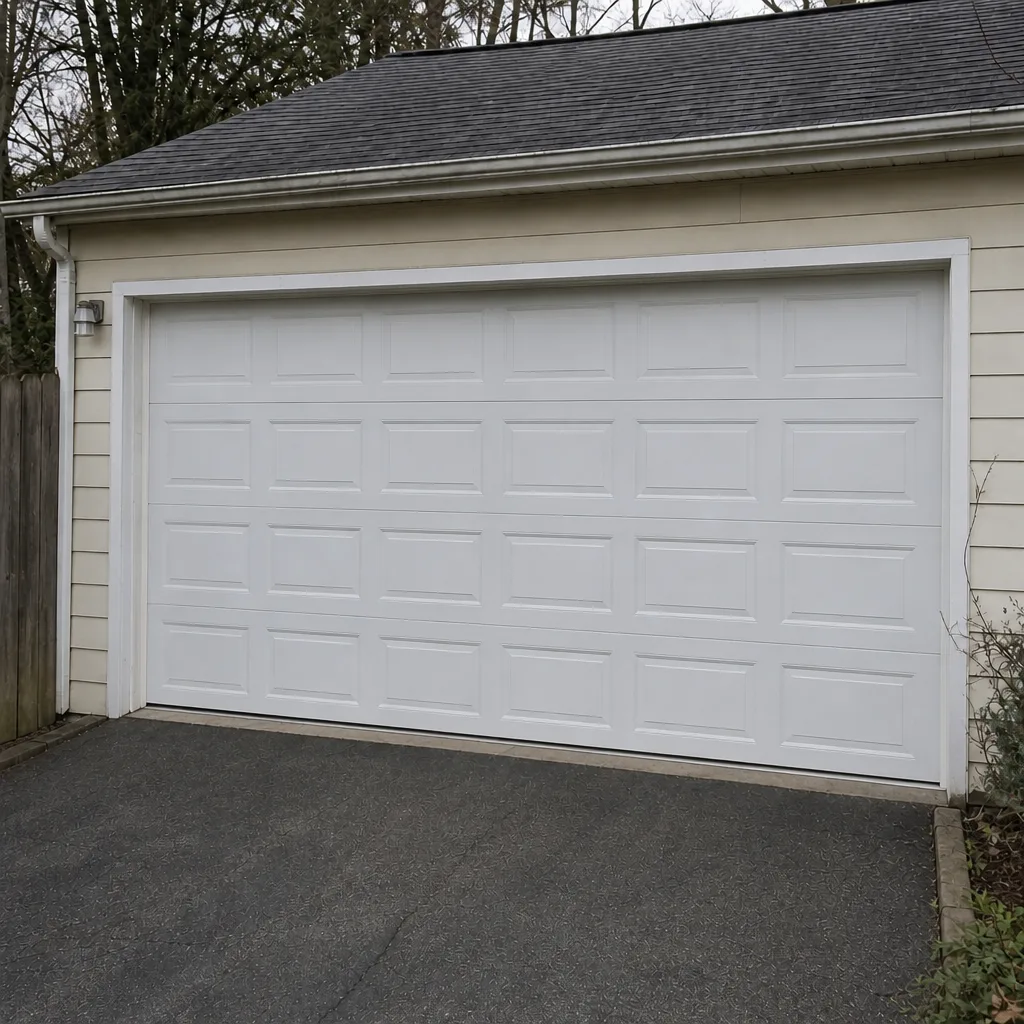
See the difference
 Before
 After
 Before
 After
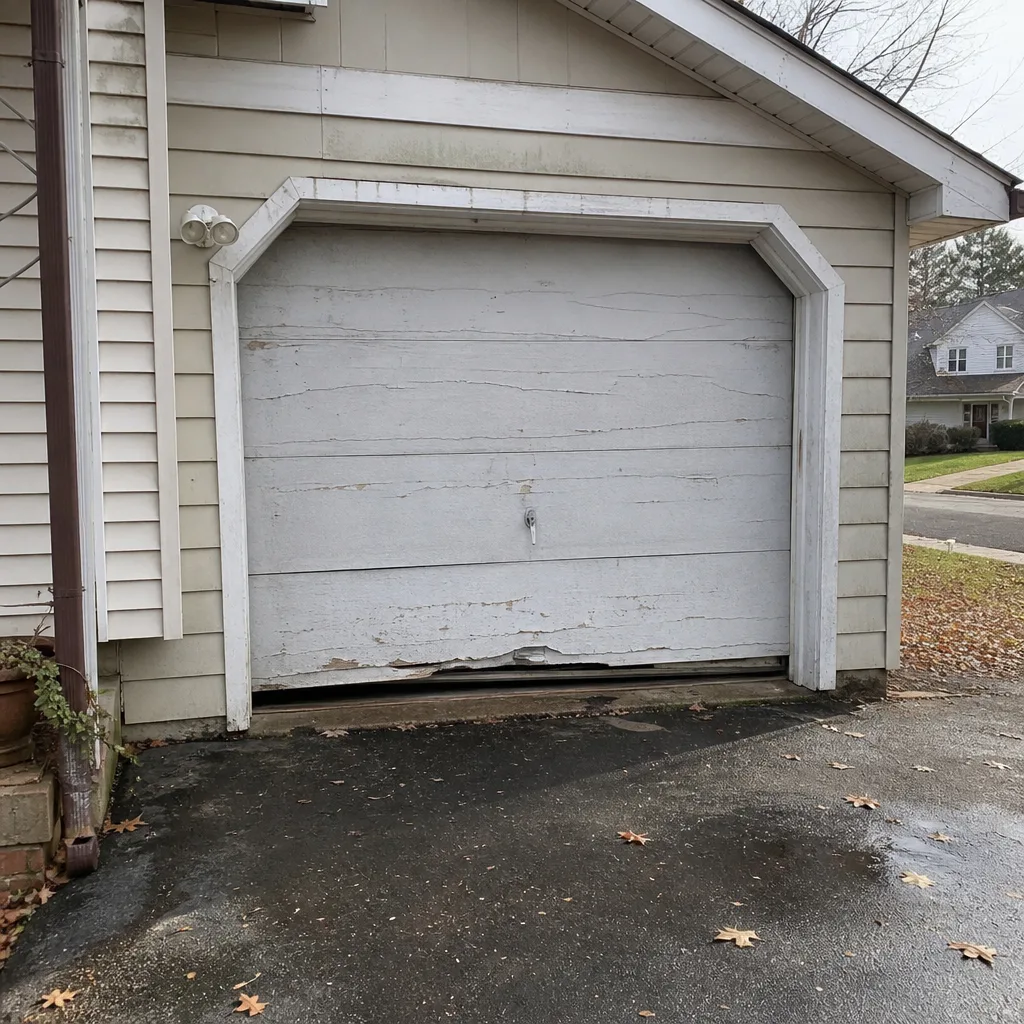 Before
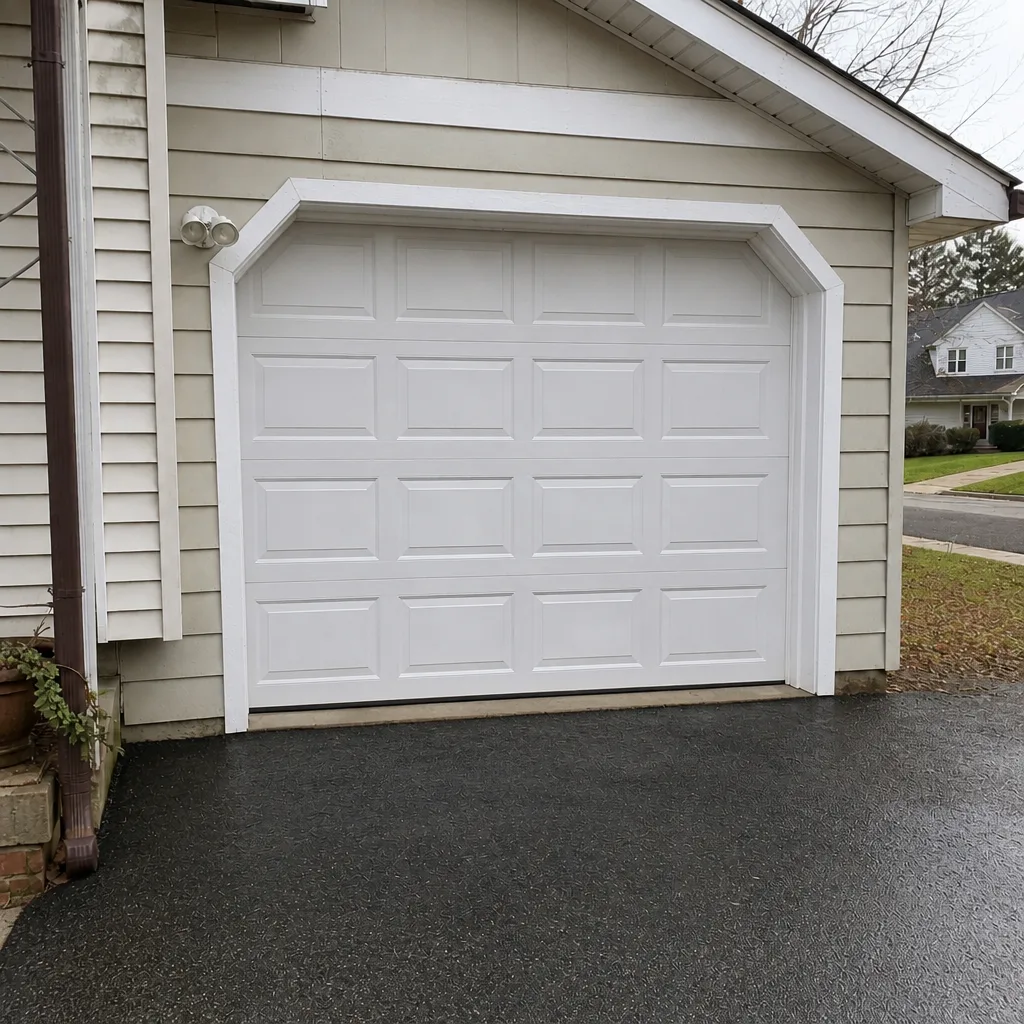 After
When to Call a Professional
Call a professional when the door won’t move, when the opener strains, reverses, or won’t respond, when you see a frayed cable or a rusted or visibly damaged spring, when a track is bent or misaligned, or when a wood door has been binding through humid weather and finishing alone won’t fix it. Those are the situations where a DIY attempt can cost more than it saves – especially anything involving springs or cables. If a door fails outside usual hours, we’re built to respond: emergency garage door service is a core part of what we do, not something we tack on. Parsippany Garage Door Repair Pros offers free estimates in Parsippany – call (866) 643-7636.
Frequently Asked Questions
November is the most important, because it’s your last chance to fix small problems before hard freezes remove all tolerance from worn parts. The November prep – bottom seal, torsion spring balance check, and opener force settings – is what prevents the January and February emergency spike. Pair it with a March thaw inspection and you’ve covered the two hardest transitions of the year.
Twice a year – in November and again in March – because the extreme temperature swings in an unheated detached garage change how the spring performs. Uninsulated garages in Parsippany see much wider temperature variation than insulated attached ones, so seasonal balance checks matter more there. If the door feels heavy, drops on the balance check, or won’t hold halfway, call us before it fails. Our technicians have up to 8 years of experience and calibrate springs to the door and its environment.
Humidity makes wood and wood-composite doors absorb moisture and swell, which pushes against the frame and throws track alignment off. The fix usually starts with inspecting and touching up the finish in June, before the wet stretch. If the door has already been binding, call us to check the tracks and panel joints.
No – torsion springs and cables are under high tension and can cause serious injury, so this is not a DIY job. There’s no safe way to handle a wound spring by hand. Leave the door closed, keep everyone clear, and call us for garage door spring repair.
Yes. Uninsulated detached garages see wider temperature swings, so check the spring balance and the bottom seal twice a year rather than once, and watch the door panels for extra expansion and contraction stress. The care plan is the same; the frequency and attention are higher.
We quote every job individually and give you a written estimate before any work begins – the written quote is the price, and it’s agreed before we start. If a seasonal check turns up a spring, opener, or track issue, you’ll know the cost before you decide. Call (866) 643-7636 for a free estimate.
The Bottom Line
The garage doors that make it through a Parsippany year without an emergency call aren’t lucky – they’re maintained on a schedule that matches this climate. That means a serious November prep focused on the bottom seal, spring balance, and opener force; a June humidity check if you have a wood or composite door; and a thorough March thaw inspection for salt and grit damage. Everything high-tension belongs to a technician. Do the low-risk checks yourself, get ahead of the two hard transitions, and you’ll spend far less time and money on repairs. When something does go wrong, call the specialists – we work on the brand you already have.
Written by the team at Parsippany Garage Door Repair Pros.
Ready to get ahead of the season? Call Parsippany Garage Door Repair Pros at (866) 643-7636 for a free estimate on maintenance, spring repair, opener service, or a full door installation. Diagnose first, replace only if necessary – that’s how we work.